
News - Printer RSS Feed
23 Apr

0
4
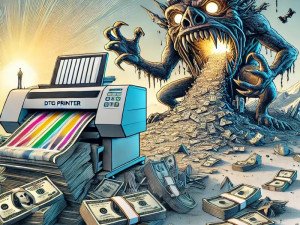
Why Cheap DTG Printers Hurt Your Bottom Line More Than You ThinkAt first glance, purchasing a low-cost direct-to-garment (DTG) printer looks like a straightforward solution to enter or expand in the custom apparel printing market. The sticker price appears inviting, but what most buyers fail to realize is how these machines devour profits with hidd..
23 Apr

0
5
Manual cake decorating remains an underestimated bottleneck in custom bakery production. Traditional methods demand skilled labor and hours of intricate icing work, which inflates costs and slows throughput. Yet many operators dismiss high-tech food printers due to fears about maintenance complexity and upfront expenses. The reality is quite differ..
23 Apr

0
3
The Silent Saboteurs: PVC Dust and Static ElectricityPVC card printers encounter more than just mechanical wear and ink degradation. The real battlefield lies in microscopic particles and invisible static charge, both imperceptible yet fatal to performance. PVC dust adheres aggressively around printheads, especially in systems utilizing Epson-based..
23 Apr

0
9
When demand surges during peak hours, inkjet printheads—especially those handling white ink in latte art printers—face high risks of clogging. The problem isn't just downtime; it’s lost revenue and compromised quality. Printhead clogging, frequently seen in Epson-based systems common in UV and DTG printers, stems mainly from poor ink circulation an..
23 Apr

0
6
Using edible ink in latte art isn’t just a creative flourish—it’s a regulatory minefield many businesses underestimate. The assumption that any food-safe pigment by default meets legal standards can lead to serious repercussions. Without proper edible ink certification, your coffee shop or print operation might be vulnerable to fines or forced shut..
23 Apr

0
5
White Ink Recirculation: The Industry Myth UncoveredWhite ink is notoriously problematic in DTG printing due to its heavy pigmentation and rapid sedimentation. Many manufacturers tout “maintenance-free” machines that leverage white ink recirculation systems, but this claim rarely matches reality. Even top-tier Epson printheads suffer clogging when ..
23 Apr

0
6
The Hidden Price of Low-Quality Coffee PrintersSkipping on quality when choosing a coffee printer is more than just a short-term saving—it’s a costly mistake that proliferates in ways many underestimate. The industry repeatedly sees printers failing mid-run due to poor ink compatibility, clogged heads, or inefficient UV curing on curved coffee mugs..
23 Apr

0
4
Clogged nozzles and ink settling remain the hidden killers in coffee printer operations, especially those relying on UV and specialty inks. These failures don’t just lead to cosmetic defects; they degrade throughput and spike operational costs.The Real Cost of Printhead CloggingMost coffee printers utilize precision Epson-based printheads that dema..
16 Apr
0
29
The Industrial RealityIn the fast-evolving landscape of printing technologies, understanding the fundamental differences between DIY solutions and industrial-grade equipment is crucial. The PrintInd Ultra Portable Handheld Inkjet Printer often straddles this line while promising portability without compromising on quality. Here, we delve into this ..
12 Apr

0
38
The Industrial Reality of Food PrintingThe emergence of food printing technologies, epitomized by the 4 Cups Coffee Printer Selfie Photo Food Printer, presents unique challenges and opportunities in industrial applications. One of the primary considerations is the lifecycle cost, directly impacting operational budgets and asset management strategie..
11 Apr

0
30
The 6-Figure Print Shop Blueprint: Scaling Your Customization Business with UV Technology
The era of simply selling cheap, mass-produced promotional products from overseas is behind us. Today’s customers—especially B2B clients—demand more than generic goods; they seek bespoke, hyper-personalized, superior-quality items delivered rapidly. They want ..
11 Apr

0
34
How Digital Petal Printing Revolutionizes Profitability in the Floral Industry
In the fiercely competitive floral landscape of 2026, small local flower shops and boutique studios face daunting challenges. Rising wholesale costs due to climate disruption and logistics, compounded by price wars with online giants and supermarket chains, are squeezing..