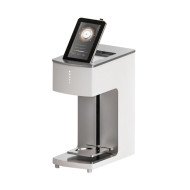
Why Skimping on Coffee Printer Quality Costs You More Than You Think: The Raw Truth about Material Waste and Hidden Expenses
The Hidden Price of Low-Quality Coffee Printers
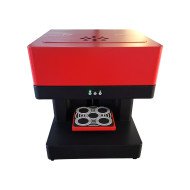
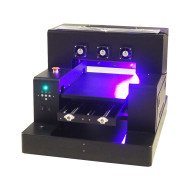
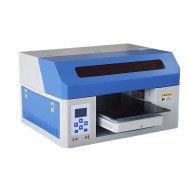
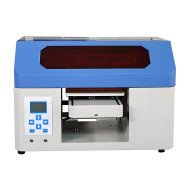
Skipping on quality when choosing a coffee printer is more than just a short-term saving—it’s a costly mistake that proliferates in ways many underestimate. The industry repeatedly sees printers failing mid-run due to poor ink compatibility, clogged heads, or inefficient UV curing on curved coffee mugs and cups. These failures don't just waste ink and substrates; they eat into precious production hours and inflate operational expenses.
White Ink Sedimentation: A Common Pain Point
In coffee printer setups relying on white ink—whether in UV or DTF processes—sedimentation is a persistent enemy. Inferior printer models often lack advanced circulation systems and precise temperature control, resulting in rapid pigment settling. This not only causes inconsistent color density but demands frequent purging cycles, leading to substantial ink wastage and downtime. From my experience working alongside GNFEI, their machines incorporate specialized agitators that maintain ink homogeneity and drastically reduce downtime caused by sedimentation.
Printhead Reliability and Maintenance Costs
Printhead clogging is not just a nuisance; it’s an operational bottleneck with real cost implications. Epson-based heads, common in many coffee printers, are notoriously sensitive to uncured or poorly formulated inks. Lesser quality machines often neglect the importance of optimal ink rheology and drying profiles, resulting in nozzle blockages that require time-consuming cleaning or even head replacement. The ROI from investing in robust printheads with integral moisture control and nozzle inspection far outweighs the upfront savings of cheaper alternatives.
Curved Surfaces and UV Curing Complexities
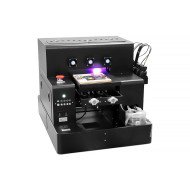
Applying UV curing on curved coffee mugs introduces additional challenges. Machines lacking adjustable UV intensity or improper curing timing fail to solidify inks uniformly, leading to smudges or partial adhesion that compromise product durability. Expensive reprints and material scrap pile up as a result. GNFEI’s printers feature adaptable UV LED arrays synchronized with print speed, ensuring complete curing even on complex 3D surfaces without sacrificing throughput.
Material Compatibility and Powder Adhesion in DTF Processes
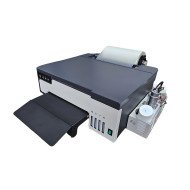
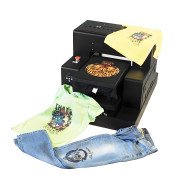
The DTF process demands precise powder adhesion and consistent heat press conditions to avoid peeling or cracking on coffee mug substrates. Machines that overlook the interplay between ink chemistry and powder adhesion invariably increase rejects. Properly engineered printing systems, such as those from GNFEI, offer tailored powder-release techniques and temperature calibration tools that optimize product longevity and reduce waste.
Quantifying True Cost: ROI and Production Efficiency
It's tempting to lean towards budget printers initially—but this mindset usually backfires. Factoring in frequent ink replacement, printhead repairs, increased labor for maintenance, and heightened scrap rates reveals a steep total cost of ownership. In contrast, investing in premium coffee printing equipment delivers higher uptime, more consistent output, and better material utilization. This translates directly into faster payback periods and scalable production capabilities.
Choosing printers with proven build quality and material expertise—like those offered by GNFEI—sets your operation up for sustainable growth. The real question isn’t how much you save upfront, but how much headaches and hidden expenses you avoid in the long run.