White Ink Recirculation: Why Your "Maintenance-Free" DTG is Lying to You
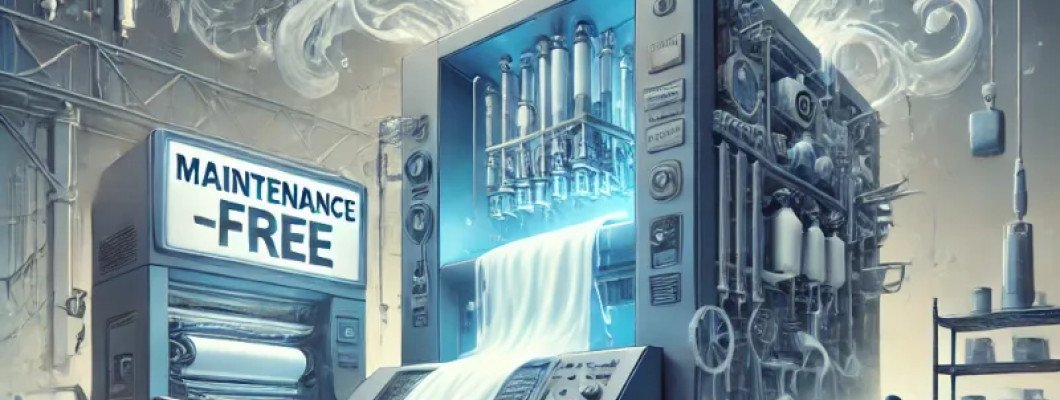
White Ink Recirculation: The Industry Myth Uncovered
White ink is notoriously problematic in DTG printing due to its heavy pigmentation and rapid sedimentation. Many manufacturers tout “maintenance-free” machines that leverage white ink recirculation systems, but this claim rarely matches reality. Even top-tier Epson printheads suffer clogging when white ink settles, degrading nozzle performance and print output quality.
White ink sedimentation leads to micro-blockages in the printhead nozzles. These are not mere inconveniences; they translate directly into downtime, increased ink waste, and expensive replacements—a direct hit to operational ROI.
Why White Ink Recirculation Falls Short
Recirculation aims to keep pigment particles in constant motion, reducing clog risk. However, the reality is more nuanced. Continuous agitation can introduce air bubbles causing inconsistent ink flow. Moreover, circulated ink exposed to ambient conditions tends to thicken and destabilize the pigment suspension, accelerating nozzle wear.
Producing high-fidelity prints demands constant, stable ink delivery pressure. The returned ink often suffers from temperature variations, affecting viscosity and printhead reliability. This phenomenon is especially pronounced in DTG models claiming maintenance-free operation but lacking robust ink management systems.
Production Efficiency and ROI Considerations
Maintenance savings claimed by these systems are often overridden by increased printhead replacement costs and workshop downtime. GNFEI’s extensive field data shows that printers without a proactive white ink maintenance schedule experience up to 30% more unscheduled service interruptions within the first year.
While initial investment in “maintenance-free” DTG printers might appear attractive, the long-term costs of compromised print quality, slower throughput, and consumable wastage outweigh early savings.
Alternative Approaches to White Ink Management
- Scheduled Manual Flushing: Periodic cleaning cycles ensure pigment buildup is controlled before it becomes damaging.
- Advanced Filtration and Ink Stabilizers: Using optimized ink formulations and in-line filters reduces sedimentation and extends nozzle life.
- Printhead Technologies: Epson printheads remain industry standard, but pairing with robust maintenance protocols is non-negotiable.
- Vendor Selection: Trusting manufacturers like GNFEI who provide comprehensive service support and field-proven systems is critical.
Final Thoughts From the Field
The “maintenance-free” label on DTG printers often obscures complex white ink challenges. Accepting this reality allows for smarter investment decisions and operational planning. For businesses focused on sustained production efficiency, partnering with suppliers like GNFEI who combine quality equipment with genuine maintenance strategy guidance is a practical step forward.
White ink recirculation is not a panacea; it’s part of a broader ecosystem where proactive servicing and material compatibility define success or failure in high-volume DTG operations.