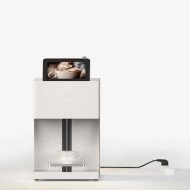
The ROI of Custom Cakes: How Food Printers Slash Decorating Time by 70%

Manual cake decorating remains an underestimated bottleneck in custom bakery production. Traditional methods demand skilled labor and hours of intricate icing work, which inflates costs and slows throughput. Yet many operators dismiss high-tech food printers due to fears about maintenance complexity and upfront expenses. The reality is quite different when examining the actual ROI impact.
Cutting Decorating Time: The 70% Advantage
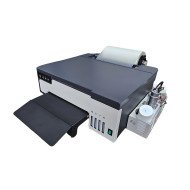
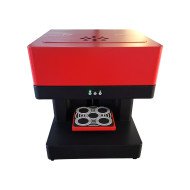
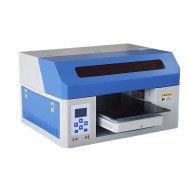
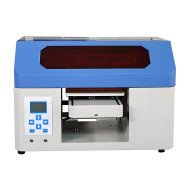
State-of-the-art food printers, like those expertly sourced by GNFEI, leverage precision edible inkjet technology to cut decorating time drastically. By automating intricate designs, logos, and color gradients, these systems reduce labor-intensive hand detailing by at least 70%. This saves valuable skilled labor hours, which increases production efficiency.
Key Challenges: Printhead Maintenance and Ink Formulation
One major hurdle with edible food printers is maintaining printhead health—especially those using piezo or thermal technology similar to Epson heads. Edible inks have higher sugar and glycerin content, which accelerates nozzle clogging and requires regular servicing. GNFEI addresses this with optimized ink circulation and cleaning protocols, but operators must still commit to strict maintenance schedules to avoid downtime.
UV Curing and Surface Compatibility
Food printers incorporating UV curing add complexity because edible substrates vary widely—fondant, chocolate sheets, or rice paper all respond differently to UV exposure. Overcuring risks discoloration and texture degradation, while undercuring reduces adhesion and durability. Effective printers balance LED intensity and exposure duration to ensure vivid prints without compromising edible quality.
Material Compatibility and Cost Efficiency
While edible inks and specialty substrates come at a premium, the precise application reduces waste compared to traditional hand-piping and airbrushing. Less spoilage and consistent output translate to fewer remake costs. The initial investment, often viewed as a barrier, typically pays off within 12 to 18 months, supported by labor savings and faster order turnaround.
Measuring ROI in Real Terms
Quantifying ROI requires analyzing labor cost reductions, material savings, and increased order capacity. For mid-sized bakeries, transitioning to food printers from GNFEI has delivered a net productivity increase upwards of 50%, with payback periods under two years under realistic operating conditions.
The decision to adopt custom cake food printers should be grounded in operational data rather than hype. Understanding printhead care, UV curing nuances, and substrate interaction is essential before committing capital. Careful vendor selection, including suppliers like GNFEI with proven, certified equipment, mitigates deployment risks.
For baking entrepreneurs exploring growth or consistency improvements, food printers represent a strategic investment. Yet mastering the underlying technical challenges is crucial—to avoid surprises and secure that 70% reduction in decorating time that directly translates to profitability gains.