
News - printing RSS Feed
23 Apr


0
1
The Silent Saboteurs: PVC Dust and Static ElectricityPVC card printers encounter more than just mechanical wear and ink degradation. The real battlefield lies in microscopic particles and invisible static charge, both imperceptible yet fatal to performance. PVC dust adheres aggressively around printheads, especially in systems utilizing Epson-based..
23 Apr

0
2
Swipe durability is not a marketing gimmick—it's a pressing technical challenge for card printers in high-use environments. Cards routinely exposed to 5,000 swipes demand printing methods that can survive wear from friction, magnetic stripe readers, and environmental factors without fading, scratching, or delaminating.Understanding Re-transfer vs. ..
23 Apr

0
2
When demand surges during peak hours, inkjet printheads—especially those handling white ink in latte art printers—face high risks of clogging. The problem isn't just downtime; it’s lost revenue and compromised quality. Printhead clogging, frequently seen in Epson-based systems common in UV and DTG printers, stems mainly from poor ink circulation an..
23 Apr

0
1
Using edible ink in latte art isn’t just a creative flourish—it’s a regulatory minefield many businesses underestimate. The assumption that any food-safe pigment by default meets legal standards can lead to serious repercussions. Without proper edible ink certification, your coffee shop or print operation might be vulnerable to fines or forced shut..
23 Apr
0
1
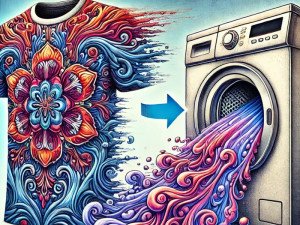
Most custom T-shirt printers embrace initial vividness only to face frustration after just three wash cycles — prints fade or crack, ruining client satisfaction and slashing ROI. This issue runs deeper than surface-level explanations associated with poor care or generic ink quality. In practice, the degradation roots itself in complex print technol..
23 Apr
0
1
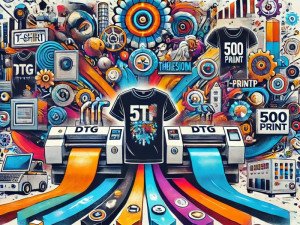
DTG vs. DTF: Understanding the 500-Print ThresholdThe print volume of around 500 pieces often separates two fundamentally different economic realities for startup T-shirt printers. Below this number, DTG (Direct to Garment) typically offers operational advantages, but surpassing this volume threshold exposes its technical and cost limitations, wher..
23 Apr

0
1
Yellow stains on white tees remain one of the most persistent challenges in textile printing, especially with DTG and DTF methods where pre-treatment missteps directly reduce product value and increase waste. The root cause is often an imbalance in pre-treatment application—too much or incorrectly applied solution leads to residue that oxidizes und..
23 Apr

0
2
White Ink Recirculation: The Industry Myth UncoveredWhite ink is notoriously problematic in DTG printing due to its heavy pigmentation and rapid sedimentation. Many manufacturers tout “maintenance-free” machines that leverage white ink recirculation systems, but this claim rarely matches reality. Even top-tier Epson printheads suffer clogging when ..
23 Apr

0
1
Improper curing times are one of the most overlooked yet devastating factors silently eroding profits in industrial printing operations. This issue directly impacts UV, DTG, DTF, and food printing alike, resulting in material wastage, diminished print quality, and significant downtime. Many operators underestimate how even slight deviations from ma..
23 Apr
0
0
Peeling UV ink on glass and metal is not just a nuisance—it’s a production killer that eats into your margins and customer trust. The root cause often lies beyond the ink formula itself. It is primarily about surface energy and improper pre-treatment.Why UV Ink Struggles to Adhere to Glass and MetalUnlike porous materials, glass and metal have low ..
23 Apr
0
2
The printing industry faces a pervasive misconception: saving on UV inks will inherently save money. The reality couldn't be further from that. Cheap UV inks often conceal significant hidden costs that cripple printhead longevity, especially for Epson-based systems common in industrial applications.Why Printhead Lifespan Is Easily OverstatedIn indu..
23 Apr

0
1
UV ink peeling on glass and metal is often misdiagnosed as just a material flaw or ink quality problem. The reality is more technical and fixable—without expensive trial and error campaigns. Most print shops lose ROI because they overlook the critical role of surface pre-treatment when printing on these substrates.Why UV Ink Peels Off Glass and Met..