Wash Test Reality: Why Your Custom T-shirt Prints Fade After Three Cycles
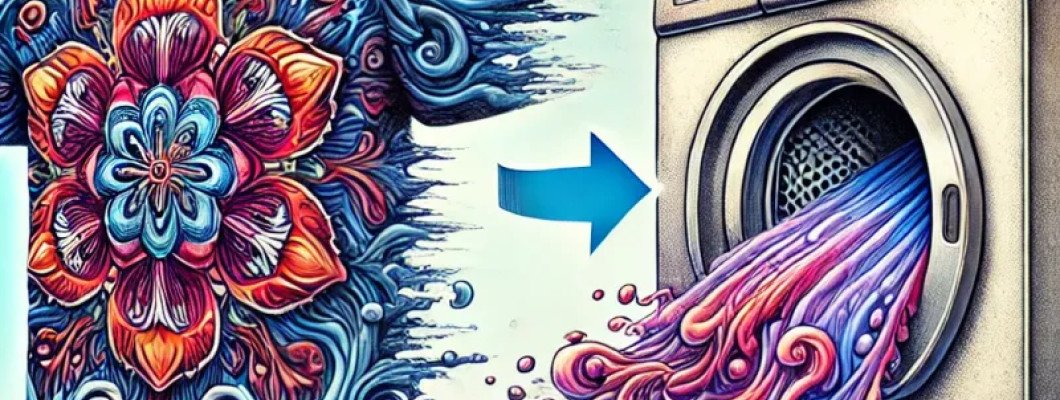
Most custom T-shirt printers embrace initial vividness only to face frustration after just three wash cycles — prints fade or crack, ruining client satisfaction and slashing ROI. This issue runs deeper than surface-level explanations associated with poor care or generic ink quality. In practice, the degradation roots itself in complex print technology limitations and material interactions.
White Ink Sedimentation: The Hidden Culprit
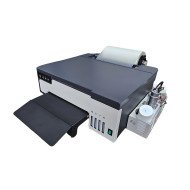
White ink is the backbone of many high-quality prints, particularly in DTG and DTF processes. However, white pigment particles tend to settle and clog fine Epson-style piezo printheads without aggressive agitation or specialized recirculation systems. Ignoring this leads to uneven ink flow, inconsistent opacity, and premature print wear after washing.
Printhead Maintenance and Drying Times
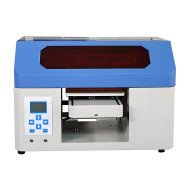
The vitality of printhead upkeep can’t be overstated. UV printers— especially those working on curved garment surfaces— require precise UV curing intervals. Over or under-curing affects ink adhesion strength deeply. Also, residual uncured ink layers are susceptible to removal just within a few wash cycles. This is where GNFEI’s field-tested calibration protocols ensure controlled UV dosage that maximizes durability without compromising printing speed.
DTF Powder Adhesion – Adhesive Failure Phenomena
Direct to Film (DTF) printing introduces an additional failure vector: powder adhesion. The delicate layer of adhesive powder must bond flawlessly with both polyester substrates and textile fibers. Insufficient heating during transfer, incorrect powder distribution, or incompatible adhesive formulations cause rapid fading and peeling post-wash. These issues prompt higher reprint frequencies and material waste—critical costs overlooked by many print shop owners.
Production Efficiency Versus Durability: The ROI Balance
In the race for faster turnaround, production managers often sacrifice the depth of curing or omit rigorous printhead cleaning cycles, leading to compromised print longevity. At GNFEI, we advise B2B clients on investing in printers emphasizing robust inline maintenance automation and proven ink chemistry compatibility. This strategic capital allocation improves first-pass yield and reduces labor-intensive reprints, directly elevating gross margins.
Material Compatibility and Workflow Considerations
Print longevity also depends heavily on substrate characteristics and pre-treatment quality control. Mismatched fabric blends or insufficient surface energy can prevent ink from binding effectively, regardless of print method. A comprehensive print workflow—starting from fabric selection through pretreatment, printing, curing, and finishing—must be engineered with precise controls to negate fading risks observed after minimal laundering.
GNFEI’s market position as a global supplier of reliable, industrial-grade printing equipment derives not from hype but from relentless field experience addressing these nuanced technical failures. Approaching wash test failures with this holistic understanding separates transient print shops from sustainable custom apparel businesses.