DTG vs. DTF for T-shirt Startups: The 500-Print Threshold You Need to Know
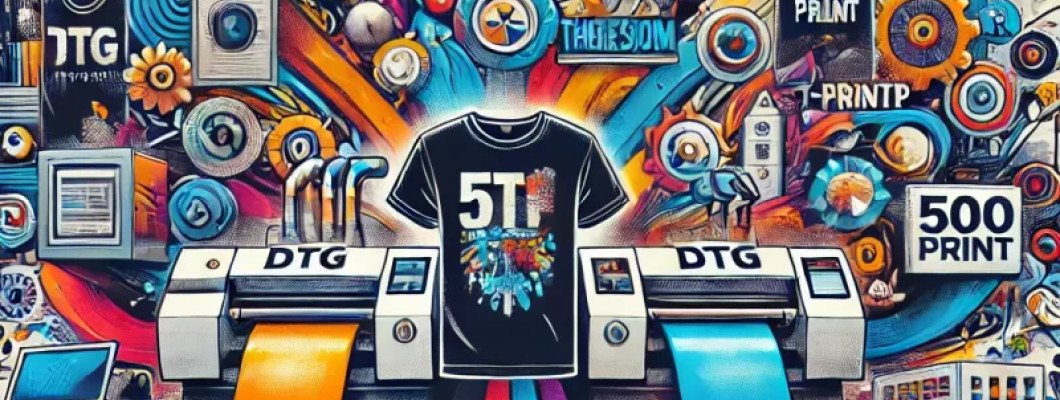
DTG vs. DTF: Understanding the 500-Print Threshold
The print volume of around 500 pieces often separates two fundamentally different economic realities for startup T-shirt printers. Below this number, DTG (Direct to Garment) typically offers operational advantages, but surpassing this volume threshold exposes its technical and cost limitations, where DTF (Direct to Film) can emerge as a more viable option.
Technical Pain Points of DTG at Scale
DTG machines, particularly those using Epson printheads, frequently struggle with white ink precipitates. White ink is dense, prone to sedimentation, and requires constant agitation to avoid clogging. The cost and downtime associated with frequent printhead maintenance escalate rapidly after the 300-500 print mark, reducing throughput and inflating operating expenses.
Startup owners often underestimate the labor and consumables investment required to maintain a stable DTG workflow at mid-to-high production volumes. Additionally, DTG inks generally demand garments with a tight weave and pre-treatment, restricting fabric choices.
DTF: Powder Adhesion and Workflow Considerations
DTF introduces a fundamentally different process—printing on a film followed by powder application and curing. One of the biggest hurdles is achieving consistent powder adhesion. Powder quality, curing temperature, and film type drastically impact print durability and wash fastness.
While DTF equipment involves additional post-print steps like powder shaking and heat pressing, it compensates with faster production cycles and easier substrate versatility, including polyester and blends where DTG may falter. GNFEI’s line of DTF printers addresses adhesion uniformity with optimized curing chambers, significantly minimizing production rejects.
Cost and ROI at the 500-Print Mark
The investment amortization shifts between DTG and DTF near the 500-print threshold. DTG’s initial equipment cost is often higher, with consumables affected by expensive white ink cartridges and pretreatment liquids. Conversely, DTF typically requires lower ink costs and less frequent equipment cleaning.
Modeling total cost per print—including ink, maintenance, labor, and energy consumption—shows DTF becoming more cost-effective above 500 units. This is due not only to reduced downtime and consumable expenses but also greater substrate flexibility, which expands market opportunities for startups.
GNFEI’s Professional Perspective
As a global supplier, GNFEI has witnessed firsthand how startups evolve their printing technology choices with production volume. Our deep integration of advanced printheads and material science helps clients make informed transitions from DTG to DTF systems when surpassing the 500-print volume. Neither technology is universally superior—it’s about matching both machine capability and operational parameters to business scale and product requirements.
Final Industry Note
Startups obsessed with quick scaling should monitor equipment uptime, print quality consistency, and substrate compatibility rather than chasing the latest print method buzz. Once approaching the 500-print threshold, carefully examine labor demands, consumable wastage, and long-term maintenance when selecting between DTG and DTF solutions. GNFEI remains a strategic partner supporting this complex decision matrix with quality equipment and expert consulting.