
News - Adhesion RSS Feed
23 Apr


0
2
Understanding the Core Cause: Why Flexible Cases Keep Peeling After PrintingFlexible phone cases are notorious for their peeling issues post-printing. Contrary to popular belief, peeling does not simply arise from low ink quality or poor print technique. The culprit often lies in the interaction between hard, inflexible inks and the flexible TPU or..
23 Apr

0
1
Understanding UV Curing and Adhesion Challenges in Golf Ball PrintingBrand logos on golf balls are subjected to harsh conditions—constant handling, exposure to moisture, temperature fluctuations, and impacts. Many printers assume that a quick UV curing cycle locks the ink reliably. This misconception causes logo deterioration, peeling, or color shi..
23 Apr

0
3
Understanding Adhesion Challenges on Difficult FabricsCommon Fabric Types and Their Adhesion PitfallsAdherence failure on fabrics like polyester blends, nylon, elastane, and technical textiles often frustrates print shops. UV curing and aqueous-based inks designed for cottons fail to bond because of surface energy differences and chemical incompati..
23 Apr
0
0
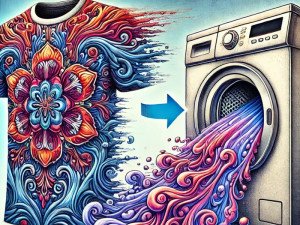
Most custom T-shirt printers embrace initial vividness only to face frustration after just three wash cycles — prints fade or crack, ruining client satisfaction and slashing ROI. This issue runs deeper than surface-level explanations associated with poor care or generic ink quality. In practice, the degradation roots itself in complex print technol..
23 Apr

0
0
Improper curing times are one of the most overlooked yet devastating factors silently eroding profits in industrial printing operations. This issue directly impacts UV, DTG, DTF, and food printing alike, resulting in material wastage, diminished print quality, and significant downtime. Many operators underestimate how even slight deviations from ma..
23 Apr
0
0
Peeling UV ink on glass and metal is not just a nuisance—it’s a production killer that eats into your margins and customer trust. The root cause often lies beyond the ink formula itself. It is primarily about surface energy and improper pre-treatment.Why UV Ink Struggles to Adhere to Glass and MetalUnlike porous materials, glass and metal have low ..
23 Apr

0
1
UV ink peeling on glass and metal is often misdiagnosed as just a material flaw or ink quality problem. The reality is more technical and fixable—without expensive trial and error campaigns. Most print shops lose ROI because they overlook the critical role of surface pre-treatment when printing on these substrates.Why UV Ink Peels Off Glass and Met..
04 Apr

0
34
The Unfiltered Guide to Commercial UV Printing in 2026: Margins, Adhesion, and Spot Varnish SecretsLet’s cut through the noise. Spend just a few minutes in printing forums or social media groups and you’ll encounter sharply divided opinions on UV printers. One faction heralds these machines as goldmines that turned side hustles into seven-figure bu..
04 Apr

0
30
The Industrial RealityEvaluating the lifecycle maintenance costs of Hot Melt Adhesive Pretreat DTF Powder reveals the profound impact of precise thermal and adhesive properties on production efficiency. Understanding these factors is critical for businesses desiring optimal performance from their equipment.Technical Deep-DiveMaterial Composition an..
29 Mar

0
32
Hidden Operational Bottlenecks in AB Films for UV DTF Printers Impacting Industrial Print Efficiency
The Industrial Reality of Using AB Films with UV DTF PrintersIn contemporary industrial printing environments where UV Direct to Film (DTF) printers are integral to production workflows, the selection and handling of AB films present a series of complex operational challenges that are frequently overlooked. AB films are engineered substrates design..
28 Mar

0
30
The Industrial Reality of Using Hot Melt Adhesive Pretreat DTF Powder in ProductionIn high-throughput direct-to-film (DTF) printing environments, consistency and speed are paramount. The integration of hot melt adhesive pretreat powders has become widespread, promising faster adhesion and enhanced durability. However, beneath these claims lies a co..
27 Mar

0
40
The Industrial Reality of PET DTF Transfer Film MaintenanceIn industrial printing environments utilizing A3, A4, and roll PET DTF transfer films, understanding lifecycle maintenance costs is crucial to maintaining operational efficiency and minimizing unplanned downtime. These films serve as the medium for Direct-to-Film (DTF) printing processes wh..