The Hidden Cost of a Golf Ball Printer That Nobody’s Talking About
The Hidden Cost of a Golf Ball Printer That Nobody’s Talking About
When you hear the term Golf Ball Printer, what comes to mind? Innovation? Custom branding opportunities? Indeed, these printers are revolutionary tools, especially for businesses targeting the golf industry. They offer highly detailed prints on curved surfaces like golf balls, paving the way for customized promotional items, personal logos, and more. But beneath the surface lies a series of operational dynamics that significantly affect businesses. Here, we’ll uncover the hidden costs and the overlooked aspects of investing in a golf ball printer from an industrial perspective.
Understanding the Total Cost of Ownership for a Golf Ball Printer
On the surface, purchasing a Golf Ball Printer appears straightforward—a one-time expense to acquire cutting-edge equipment. However, the total cost of ownership goes far beyond the upfront price tag. These printers are sophisticated machines that require operational investments in the following areas:
- Maintenance and Servicing Costs: Regular upkeep is crucial to ensure long-term reliability, especially for UV printers that involve intricate mechanical and electronic systems.
- Consumables Like Inks and Print Heads: High-resolution printing on golf balls necessitates specialized CMYK UV inks. Additionally, print heads require periodic replacement due to wear and tear.
- Dampening ROI: While golf ball printers promise high-quality branding, achieving consistent profitability depends on your production scale and machine utilization.
The Real Price of Precision: UV Printers Versus Alternatives
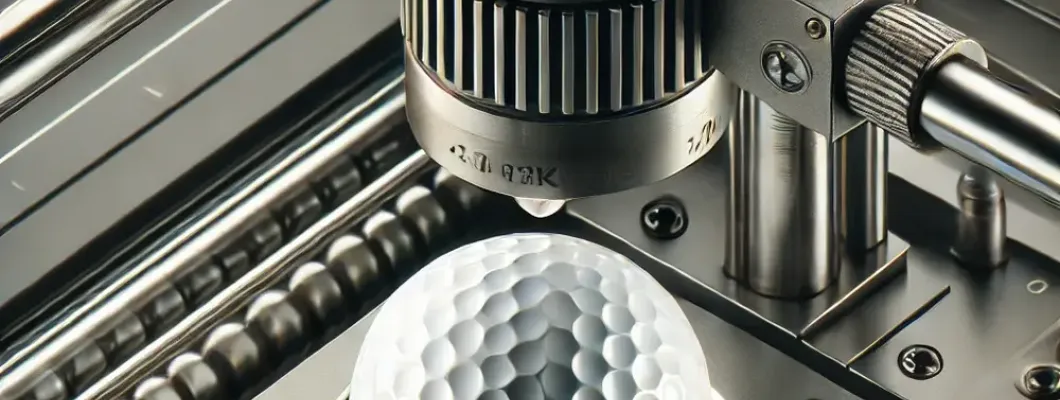
Most golf ball printers rely on UV printing technology because of its exceptional ability to adhere ink to curved surfaces. But is UV printing the most cost-efficient option? Let’s break down what the precision you’re paying for entails:
- Material Compatibility: UV technology provides the ability to print on a wide range of surfaces, like urethane and ionomer covers used in high-quality golf balls. This versatility comes at a premium.
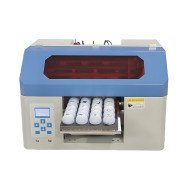
- Speed and Productivity: Industrial-grade machines, such as GNFEI’s multifunction models, can print 12 golf balls simultaneously within 2-3 minutes per cycle. Smaller UV options may be less efficient, edging up production costs.
- Ink Consumption: UV inks deliver vibrant, permanent prints, but they’re pricier than traditional screen or pad printing inks.
Assessing the Durability and Longevity of a Golf Ball Printer
Another often-overlooked variable when considering a Golf Ball Printer is its durability. Industrial printers experience wear-and-tear quickly due to regular use. For companies targeting high-volume production runs, this translates into additional hidden expenses. Wear-sensitive components like print heads, loading trays, and UV curing stations require occasional replacements or repairs. When evaluating a printer for long-term reliability, it’s essential to seek engineering-grade durability, which GNFEI Technology offers in its lineup.
How Golf Ball Printers Affect Scalability
For small businesses, purchasing a golf ball printer can seem like the perfect step towards expansion. But scalability comes with challenges:
- Labor Costs: While automated printers reduce the need for manual intervention, semi-automated models may still demand skilled operators to ensure precision in branding positions.
- Space Requirements: Larger machines require significant manufacturing facility space, forcing smaller businesses to rethink their layouts.
- Production Deadlines: High-volume orders—from corporate golf tournaments to retail clients—may strain lower-capacity machines, leading to delays or compromised print quality.
Operational Efficiency: Avoiding Common Pitfalls in Golf Ball Printing
When adopting a Golf Ball Printer for business, it’s imperative to optimize workflows while avoiding common pitfalls. Efficiency comes down to proper resource allocation and industrial know-how:
- Investing in Training: Employees should be well-trained on proper machine operations, ink settings, and calibration to prevent errors in output quality.
- Batch Management: By grouping large orders efficiently, companies can reduce cycle times and optimize ink usage.
- Selecting Scalable Models: GNFEI Technology offers multifunctional solutions designed to scale up production seamlessly, minimizing downtime.
Choosing the Right Golf Ball Printer: Key Specs to Look For
When selecting a golf ball printer, focus on specifications that matter most for your business needs:
- Resolution Quality: Opt for machines offering resolutions of 2160dpi or higher for the sharpest prints.
- Material Compatibility: Ensure it supports various golf ball materials, such as urethane, for high-end branding.
- Cycle Times: Faster machines offer higher throughput, with many industrial-grade printers achieving 12 balls in under 3 minutes.
- Customization Features: Look for models capable of accommodating diverse designs, logos, and artwork.
Expert Verdict on Golf Ball Printer Investment
Investing in a Golf Ball Printer can revolutionize your business by offering cutting-edge customization services to clients in the golf industry. However, the hidden costs—from consumables to maintenance and scalability—require careful consideration to achieve sustainable profitability. By choosing robust equipment, such as those developed by GNFEI Technology, and optimizing operational workflows, businesses can leverage golf ball printing to build strong brand partnerships and meet diverse market demands.