
Scaling Your POD Business: When to Upgrade from an Entry-Level to an Industrial DTG Printer
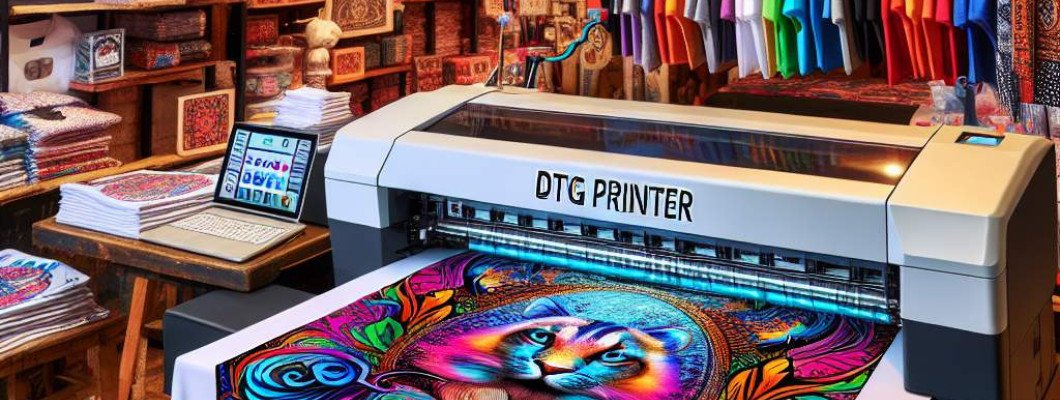
Struggling to keep up with demand in your POD business? Wondering if it"s time to upgrade your equipment?
If you"re running a print-on-demand (POD) business with an entry-level DTG printer, scalability can be a real challenge. Maybe you"re hitting the limits of your current printer"s capacity or noticing inconsistencies in print quality. These are signs it might be time for an upgrade. Let"s dig into how to recognize when you should move from an basic printer to an industrial DTG setup to take your business to the next level.
Understanding the Limits of Entry-Level DTG Printers
What are the main signs that your current printer is holding you back?
First, it"s crucial to recognize the common pain points. Is your printer struggling to keep up with your order volume? Are prints becoming less consistent or fading faster than they should? These issues often point to the limitations of entry-level equipment. Here are some telltale signs:
- Low Print Speeds: You"re waiting too long for each batch, slowing down overall sales.
- Limited Ink Compatibility: You"re restricted to specific fabric types, which narrows your product options.
- Frequent Breakdowns: Maintenance becomes a headache, causing delays and lost orders.
- Inconsistent Quality: Colors aren"t vibrant enough, or prints fade prematurely.
Financial signs it's time to upgrade
Then, there"s the financial side: If your current setup is costing more in repairs, ink, or time than it"s worth, investing in a more robust machine makes sense. Think about it—are you turning a profit, or is breakdown downtime eating into your margins?
Deciding When to Make the Jump to an Industrial DTG Printer
What are the key factors to consider?
Upgrading isn"t just about fixing problems; it"s about strategically positioning your business for growth. Here are some essential points that can help you decide:
- Order Volume: Are you processing hundreds of shirts weekly with delays? An industrial printer can handle high throughput.
- Product Quality Expectations: Do you want your prints to be exceptionally vibrant, durable, and professional-looking? Industrial printers excel here.
- Expansion Goals: Planning to expand your product line or scale your business? The right printer can support your vision.
- Cost Efficiency: When managing multiple jobs, an industrial DTG can lower labor and material costs over time.
Technical considerations for a smooth upgrade
Moving to an industrial DTG printer involves some planning. Keep these in mind:
- Compatibility: Ensure the new printer supports your preferred fabrics and inks.
- Space and Infrastructure: Will your workspace accommodate a larger machine? Do you need additional ventilation or power?
- Training and Support: Look for suppliers offering thorough onboarding and ongoing support.
- Budget: Industrial printers are a bigger investment. Factor in not just the purchase price but also operation costs.
For example, I talked to a friend who runs a decorated apparel business. She started with a basic DTG machine, but once her orders doubled in a year, her current setup was bottlenecking her growth. She finally invested in an industrial DTG printer, and her productivity, as well as print quality, skyrocketed. That move made her much more competitive in a crowded market.
Best Practices for a Seamless Transition
Planning your upgrade process
To make the transition smooth, consider these steps:
- Assess Your Needs: List your order volume, quality expectations, and future goals.
- Research Equipment: Compare models, focusing on features, support, and cost.
- Training Team Members: Invest in proper training to maximize your new printer"s potential.
- Test Runs: Before fully migrating, run test batches to optimize workflows and familiarize your team.
- Customer Communication: Keep clients informed about your production upgrades, which can boost confidence and sales.
Optimizing your workflow after the upgrade
Once you"re up and running with your industrial DTG printer, refine your processes:
- Automate where possible: Use software to streamline order processing and color management.
- Maintain your equipment: Regular maintenance ensures consistent quality and longevity of your investment.
- Train staff continually: Keeping your team updated on best practices maximizes performance.
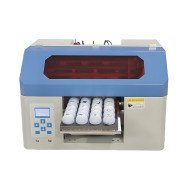
If you"re considering a powerful, reliable machine, check out the A3 DTG Printer from GNFEI. It"s designed for scalable businesses ready to take the next big step.
FAQs about Scaling Your POD Business and Upgrading DTG Equipment
1. How do I know if my current DTG printer is sufficient for my growth?
If you"re experiencing frequent delays, inconsistent prints, or increasing repair costs, those are signs your machine isn"t keeping up. Also, if your order volume surpasses what your equipment can handle efficiently, it"s time to consider an upgrade.
2. What are the benefits of switching to an industrial DTG printer?
Industrial printers offer faster speeds, higher quality, better durability, and the ability to handle larger volumes with less downtime. They also support a broader range of fabrics and inks, giving you more product options to attract customers.
3. How much should I expect to invest in an industrial DTG printer?
Prices vary based on features and capacity, but generally, you should budget several thousand dollars. Remember, it"s a strategic investment that can improve your margins and revenue in the long run.
4. Can I upgrade my existing workspace for an industrial DTG printer easily?
Usually, yes. You"ll want to ensure your space has adequate ventilation, power supply, and room for maintenance. Some brands provide guidance for setting up for optimal operation.
5. How long does it typically take to see a return on investment after upgrading?
It depends on your sales volume and efficiency gains, but many find that increased productivity and reduced costs lead to ROI within 6 to 12 months after the upgrade.















Leave a Comment