
Hotels and catering services rethinking presentation with food printer focused on visual-first cuisine
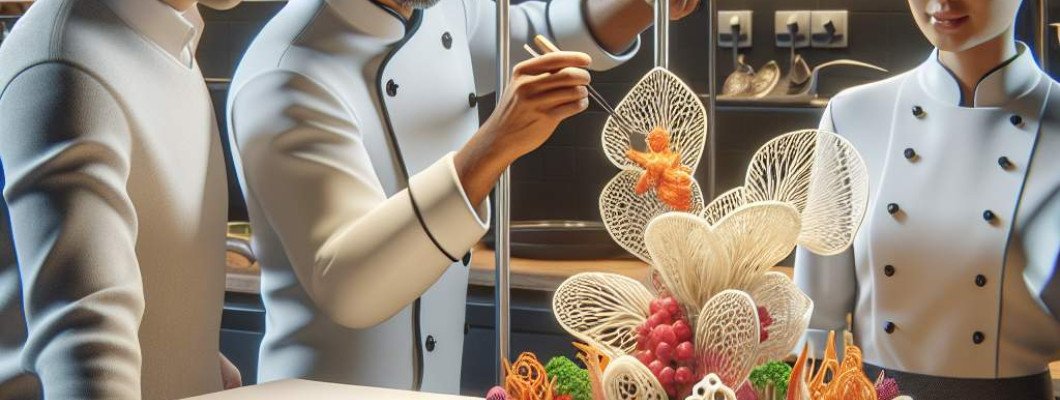
Are you in the hospitality industry and wondering how to truly impress your guests with the latest trends? Perhaps you"re tired of traditional food presentation methods that seem to fall flat in today"s visually-driven world. Food printers focused on visual-first cuisine are transforming how hotels and catering services showcase their dishes, making every plate a piece of art. But what exactly is this technology, and how can it impact your business?
Imagine chatting with a friend who just booked a meal at a high-end restaurant that offers stunning, edible images and intricate toppings printed directly onto their plates. That"s the power of food printing technology—creating visually striking culinary experiences effortlessly. From personalized desserts to intricate appetizer designs, food printers are changing the game without requiring a chef"s artistic prowess every time.
What Is a Food Printer and How Does It Work?
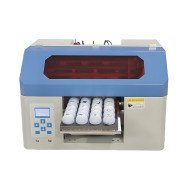
A food printer is a device that uses edible inks and advanced printing technology to decorate or assemble food items with precision. Unlike traditional garnishing or plating, food printers can reproduce detailed images, patterns, or even textures directly onto the dish.
Most food printers operate similarly to inkjet printers but are adapted for edible materials. They use specialized cartridges filled with natural or artificial edible inks—things like fruit purees, chocolate, or other safe dyes—and layer them onto food items such as cakes, pastries, or even main courses.
Why Visual-First Cuisine Matters in Hospitality
The saying "you eat with your eyes first" holds especially true in the era of social media. Diners love sharing their food photos online, and a visually impressive plate encourages engagement and free marketing. For hotels and catering services, this means:
- Enhanced Guest Experience: Unique, Instagram-worthy dishes create memorable moments.
- Brand Differentiation: Stand out from competitors by offering innovative presentation styles.
- Increased Revenue: Premium, visually remarkable dishes can command higher prices.
Implementing Food Printing into Menus and Events
Integrating food printing technology isn"t just about adding a gadget; it"s a strategic move towards innovation. Here"s how to incorporate it effectively:
- Identify suitable dishes: Focus on desserts, appetizers, or cocktails where visual impact is vital.
- Create customizable templates: Design logos, patterns, or themed images for special events or branding.
- Train staff: Ensure your kitchen staff understands how to operate the printer safely and efficiently.
- Market your new offering: Highlight the novelty and aesthetic appeal of your visually-first cuisine on social media and menus.
Popular Food Printing Applications in Hotels and Catering
Food printers open up a world of possibilities:
- Cake and Pastry Decoration: Easily print intricate designs like floral patterns, logos, or personalized messages.
- Gourmet Plating: Elevate fine dining experiences by adding artistic touches directly onto plates.
- Event Catering: Create themed edible decor for weddings, corporate events, or parties.
- Signature Drinks: Add liquid or edible images onto cocktails and mocktails for a social media boost.
Benefits of Incorporating Food Printers in Hospitality
Why should your hotel or catering service invest in this technology? The benefits are clear:
- Innovative Edge: Early adoption puts you ahead of competitors embracing new culinary trends.
- Customer Satisfaction: Guests appreciate personalized, Instagram-friendly dishes.
- Operational Efficiency: Produce complex decorations faster without extra labor or artistic skill.
- Versatility: Customize food designs for multiple themes seamlessly.
Choosing the Right Food Printer for Your Business
When selecting a food printer, consider:
- Print Quality: Look for high-resolution options that produce crisp images.
- Edible Ink Compatibility: Ensure the printer supports a variety of edible inks suitable for your menu.
- Ease of Use: Opt for models with intuitive interfaces to minimize training needs.
- Maintenance and Support: Check for reliable technical support and easy-to-clean components.
Integrating Food Printer Technology: Tips & Best Practices
To maximize the impact of your investment:
- Start Small: Pilot with a few signature dishes before expanding.
- Collaborate with Chefs: Involve culinary experts for innovative design ideas.
- Promote on Social Media: Share images of printed dishes to attract buzz.
- Gather Feedback: Listen to guest responses and tweak designs accordingly.
- Stay Updated: Keep abreast of new printing technologies and edible ink options to maintain a competitive edge.
Case Study: A Boutique Hotel Transforms Dining Experiences
One boutique hotel recently adopted a food printer to enhance its guest dining. They started with printed dessert toppers featuring local artwork and guest names. The result? A 40% increase in social media shares of their dishes and a surge in bookings for special occasions. Guests loved seeing their favorite images printed onto their plates, turning ordinary meals into memorable experiences.
Ready to Elevate Your Hospitality Service?
Investing in food printers focused on visual-first cuisine transforms how your guests experience food. It"s about more than aesthetics — it"s about creating memorable, shareable moments that boost your reputation and revenue. Explore the possibilities and redefine your culinary presentation today!
FAQs
- How difficult is it to operate a food printer?
- Most models are designed to be user-friendly with straightforward interfaces, requiring minimal training.
- Are edible inks safe for food contact?
- Yes, all edible inks used in food printers are FDA-approved and safe for consumption.
- Can I print on all types of food?
- Prints work best on smooth, absorbent surfaces like fondant, biscuits, or certain proteins. Testing is recommended for different textures.
- What is the maintenance involved with a food printer?
- Regular cleaning of print nozzles and cartridges keeps the device functioning optimally. Most models come with comprehensive support and manuals.
- Is food printing cost-effective for small-scale operations?
- Yes, especially when considering the added value of unique presentation and social media marketing. Initial investment pays off quickly with increased guest engagement.















Leave a Comment