
Global Market Insights: The Rise of DTG Technology Worldwide
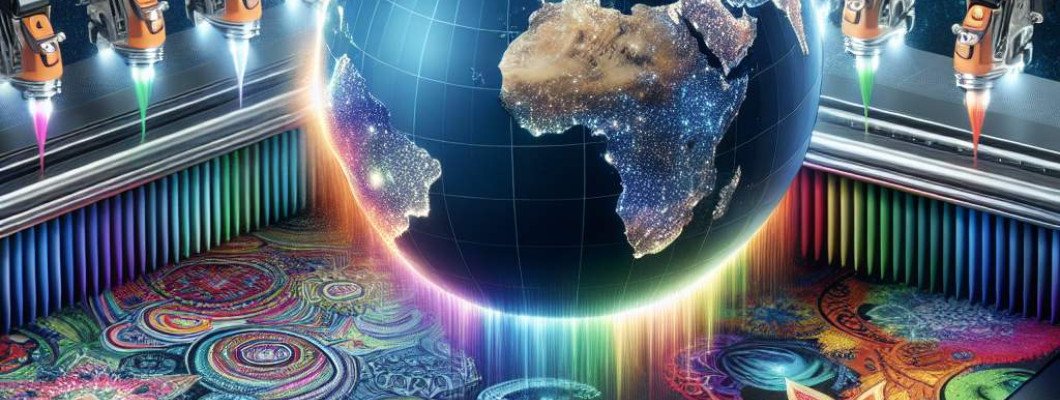
Are You Curious About the Growth of DTG Technology Worldwide?
If you've been in the textile or apparel industry, you"ve probably noticed how much DTG (Direct-to-Garment) technology is transforming the way we print on fabrics. It"s no longer just a niche tool; it"s becoming a global phenomenon. But what"s driving this rise? And how is it impacting businesses large and small around the world? If these questions resonate with you, you're in the right place. Today, let"s explore the explosive growth of DTG technology worldwide and why it"s a game-changer for everyone involved in custom printing.
What Is DTG Technology, and Why Is It Popular?
Understanding DTG Printing
At its core, DTG, or Direct-to-Garment printing, is a method that uses inkjet technology to print directly onto textiles, mainly garments like t-shirts, hoodies, and more. Unlike traditional screen printing that requires creating stencils, DTG allows for printing high-quality, detailed images quickly and with minimal setup. Think of it like printing a photo directly onto a shirt, with vibrant colors and fine details.
The Growing Demand for Customization
Consumers today crave personalization. They want unique designs, limited editions, or even their own artwork printed on clothing. DTG makes this feasible and affordable for small businesses and individual entrepreneurs. It"s fast, flexible, and requires less upfront investment than traditional printing methods.
Why Is DTG Going Global?
Several factors contribute to its worldwide rise:
- Advancements in Printer Technology – Newer models offer faster speeds, better color accuracy, and easier maintenance.
- Lower Startup Costs – Small businesses can now enter the market without huge equipment expenses.
- Market Trends Toward Personalization – The demand for unique apparel drives the need for versatile printing solutions.
- Increasing E-Commerce Platforms – Selling custom printed garments online has never been easier.
- Global Supply Chain Improvements – Faster shipping and easier sourcing of printing supplies support international growth.
How DTG Technology Is Changing the Textile Industry
Empowering Small and Medium Businesses
While big brands still dominate, DTG has leveled the playing field. Small startups can now compete by offering custom, on-demand printing. Imagine chatting with a friend who started her own apparel brand from her garage using a DTG printer—she"s now part of a booming niche. This democratization is pushing innovation and variety across markets.
Speed, Quality, and Sustainability
DTG delivers photorealistic prints with vibrant colors that last. Plus, it"s more environmentally friendly than traditional screen printing because it uses less water and produces less waste. As consumers grow more eco-conscious, brands that adopt sustainable practices gain a competitive edge.
Adoption Across Asia, Europe, and the Americas
If you look at the global market, regions like Asia are rapidly manufacturing and adopting DTG machines, driven by their booming fashion sectors. Europe"s focus on sustainable fashion aligns well with DTG"s eco benefits, while North America sees a surge in small online brands using DTG to meet fast-changing consumer tastes.
Choosing the Right DTG Printer for Your Business
Features to Consider
If you decide to jump into the DTG game, selecting the right printer is crucial. Here's what to look for:
- Print Speed & Production Volume – How fast can it produce multiple shirts without sacrificing quality?
- Print Quality & Color Range – Check the resolution and color accuracy, especially for detailed designs.
- Ease of Use & Maintenance – Is the machine user-friendly? How often does it need servicing?
- Cost & ROI – Consider upfront costs versus potential earnings.
- Compatibility & Support – Does it work with your existing setup? Is customer support reliable?
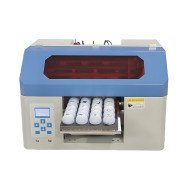
If you want to see a top model, check out the A3 DTG Printer — it's designed for versatile, high-quality print jobs, perfect for expanding your options.
Getting Started with DTG: Tips for Success
Starting Small and Scaling Up
Don"t feel you need to buy the latest, biggest machine right away. Start with a reliable, entry-level printer. Focus on perfecting your craft and building your customer base. As demand grows, you can invest in more advanced printers making use of new features.
Invest in Quality Ink and Materials
This may seem obvious, but high-quality inks ensure vibrant, long-lasting prints. Always choose reputable brands to minimize issues like clogging or fading.
Build A Portfolio & Marketing Strategy
Create samples to showcase your work — post on social media, your website, or at local markets. Today, most sales come through online platforms, so invest time in your digital presence.
Leverage Technology & Trends
Stay updated on printing innovations and market trends. Experiment with new designs, limited editions, or collaborations to stay relevant and expand your reach.
Frequently Asked Questions (FAQs)
1. How much does a good DTG printer typically cost?
Entry-level models start around $10,000. Premium units with faster speeds and higher quality can run upwards of $30,000 or more. Consider your volume and growth plans.
2. Is DTG suitable for mass production?
While DTG is fantastic for small runs and customization, traditional screen printing might be more cost-effective for high-volume orders. However, as technology improves, some high-speed DTG models are closing this gap.
3. How durable are DTG prints?
If produced correctly using high-quality inks and proper curing, DTG prints are quite durable. They withstand washing and wear, especially when treated with textile protectors.
4. Can I print on dark fabrics?
Yes. Most DTG printers now support white ink, which allows vibrant printing on dark garments. But it's crucial to check your printer's capabilities and proper setup.
5. What are the biggest challenges in adopting DTG technology?
Initial machine costs and learning curve can be barriers. Also, maintaining consistent print quality requires practice and proper maintenance routines.
```















Leave a Comment