Everything You Need to Know About DTG Printers: The Future of Garment Printing

Everything You Need to Know About DTG Printers: The Future of Garment Printing
In the fast-evolving world of printing technology, dtg printer systems have revolutionized the garment customization industry. Direct to Garment (DTG) printers are the go-to solution for businesses and hobbyists looking to create high-quality, vibrant, and long-lasting custom designs on apparel like t-shirts, hoodies, and more. Whether you're starting a small print shop or scaling up your production capabilities, DTG technology offers unparalleled efficiency and creativity. In this article, we'll dive deep into how DTG printers work, benefits, technical considerations, cost factors, and essential maintenance tips to help you master your printing game.
What is a DTG Printer?
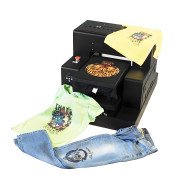
A DTG printer, or Direct to Garment printer, is a specialized device that directly applies water-based inks onto textiles, usually cotton or cotton-blend garments. Unlike traditional screen printing methods that require creating stencils and layering colors, DTG printers use advanced inkjet technology to print full-color images straight onto the material. This method ensures exceptional quality, high-resolution prints, and a soft-to-the-touch finish.
DTG printers are particularly valued for their ability to handle intricate, photo-realistic designs and highly customizable, small-batch orders. This makes them ideal for small businesses, custom t-shirt brands, and event merchandising companies.
Key Benefits of DTG Printers
- High-Resolution Prints: Achieve stunning clarity with resolutions up to 1440x1440 dpi, suitable for capturing fine details and gradients.
- Eco-Friendly Ink: DTG printers use water-based inks that are safe for both users and the environment compared to solvent-based alternatives.
- Short Setup Time: Unlike screen printing, DTG printing eliminates the need for stencils and setup, saving both time and money.
- Low Volume Flexibility: Easily print single shirts or small batches without sacrificing time or quality.
- Diverse Application: Print on a variety of fabrics, including cotton, polyester blends, and even denim.
How Does a DTG Printer Work?
The DTG printing process is relatively straightforward but uses highly advanced technology. Here's a step-by-step breakdown:
- Garment Preparation: The fabric is pre-treated with a liquid solution to enhance ink adherence and vibrancy.
- Loading the Garment: The t-shirt or fabric is mounted securely onto the printer's platen (a flat surface that holds the garment in place).
- Printing: Similar to a traditional inkjet printer, the DTG printer sprays the water-based ink directly onto the garment in precise layers.
- Curing: Once printed, the garment is cured using a heat press or a conveyor dryer to set the ink and ensure durability.
DTG Printer Technical Specifications to Consider
When choosing a DTG printer, it’s crucial to evaluate the technical specifications based on your business needs:
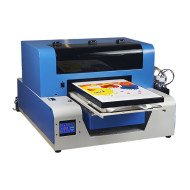
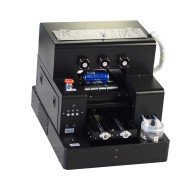
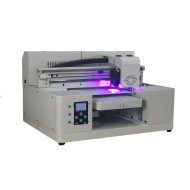
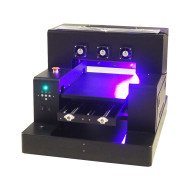
- Print Area: Standard DTG machines, such as the GNFEI A3 DTG Printer, offer a maximum print size of 16” x 20”. Some high-end options support even larger areas for oversized prints.
- Ink Technology: Look for printers that support CMYK+W (Cyan, Magenta, Yellow, Black, and White) for detailed designs on dark fabrics.
- Throughput Speed: Entry-level machines may take around 2-3 minutes per shirt, while advanced models like the Brother GTXpro complete a shirt in under 30 seconds.
- Connectivity: Ensure the printer supports both USB and wireless connections for streamlined digital workflows.
- Maintenance Features: Integrated cleaning systems extend printer longevity and minimize downtime caused by clogged nozzles.
Cost Analysis of DTG Printers
DTG printers can range from budget-friendly models for beginners to enterprise-level machines for mass production. It’s essential to factor in not only the upfront cost but also ongoing expenses like ink, pre-treatment solutions, software subscriptions, and maintenance:
- Entry-Level Models: Priced between $2,000 and $5,000, ideal for hobbyists or small-volume businesses.
- Mid-Tier Printers: Price range: $10,000-$15,000. Perfect for small-to-medium enterprises needing higher throughput.
- Industrial Printers: Machines like the Epson SureColor F3070 or Brother GTXpro, costing $20,000+, are designed for enterprise-scale operations with optimized performance.
In addition, calculate your cost-per-print based on ink usage, pre-treatment, and electricity. As a rule of thumb, printing a single shirt costs between $1 and $3 on average, depending on the size and complexity of the design.
Maintenance Tips for Maximizing Your Printer's Lifespan
Proper maintenance ensures that your DTG printer operates smoothly and produces consistent results over time. Here are essential tips for keeping your investment in peak condition:
- Daily Nozzle Checks: Regularly inspect and clean ink nozzles to prevent clogs that could impact print quality.
- Use Genuine Ink & Supplies: Non-original inks may save costs initially but can damage the printer's internal components.
- Pre-Treatment Application: Apply pre-treatment evenly and consistently to ensure ink adheres properly to the garment.
- Temperature Control: Store your printer in a temperature-controlled environment to prevent issues due to humidity or dust.
Why Invest in a DTG Printer From GNFEI Technology?
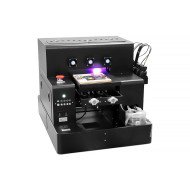
GNFEI Technology offers state-of-the-art dtg printer solutions designed for professional t-shirt printing businesses. Boasting user-friendly controls, advanced technical features, and unbeatable reliability, our printers let you bring your creative visions to life with ease. Backed by a reputation for excellence and responsive customer support, GNFEI Technology is your go-to partner for high-performance printing solutions.