DTG T Shirt Printer Machine Downtime: Hidden Failure Rates That Impact Your ROI
DTG T Shirt Printer Machine Downtime: Hidden Failure Rates That Impact Your ROI
When investing in a dtg t shirt printer machine, business owners often envision cutting-edge technology, vibrant prints, and significant revenue increases. While all these outcomes are possible with the right machine, there’s a critical element that often goes overlooked: downtime. Downtime, whether planned or unexpected, can severely impact your operations, stretch your ROI timeline, and leave your production line at a standstill. Let’s dive into the hidden failure rates of DTG printers and explore actionable steps to mitigate them.
What Causes Downtime in Your DTG T Shirt Printer Machine?
Downtime in your dtg t shirt printer machine can occur due to several factors, ranging from mechanical issues to software inconsistencies. Below, we dissect common scenarios that may disrupt your production:
- Maintenance Mismanagement: All DTG printers require regular maintenance, including printhead cleaning, ink line flushing, and platen calibration. Failure to stay on top of this can lead to operational breakdown.
- Ink Clogging: Many DTG machines rely on water-based inks, which are prone to drying and causing clogs in the printer nozzles.
- Software Glitches: Manufacturers often release firmware updates to enhance printing functionalities. Outdated software can lead to misconfigured print jobs.
- Environmental Factors: Humidity, dust, and temperature can compromise the longevity of the printer’s internal components.
A proactive approach to identifying these issues is essential if you want to minimize the risk of unplanned interruptions.
Understanding Failure Rates in DTG T Shirt Printer Machine Systems
Why are failure rates important? The failure rate of a dtg t shirt printer machine is the frequency with which performance issues or breakdowns occur over a given period. A high failure rate signifies frequent disruptions, resulting in delayed orders, frustrated customers, and bloated repair costs. Three primary metrics determine failure rates:
1. Mean Time Between Failures (MTBF)
MTBF is a measure of reliability and is critical for production forecasts. A low MTBF means the machine is likely to break down frequently, increasing your operating costs.
2. Downtime Per Incident
This statistic shows how long the machine stays offline during repairs or servicing. Extended recovery times accumulate quickly, eating into your productive hours.
3. Serviceability Score
This measures how easy (or difficult) it is to conduct repairs on your DTG printer. Machines with modular designs often have higher serviceability scores because components are easier to replace or upgrade.
Key Features to Look for in a Reliable DTG T Shirt Printer Machine
To ensure your DTG machine aligns with your business goals, look for the following features that boost durability and performance:
- Advanced Printheads: Opt for machines with industrial-grade printheads like Epson PrecisionCore or Ricoh, known for their durability and superior color output.
- Automatic Maintenance Systems: Machines with self-cleaning printhead mechanisms and ink agitation systems significantly reduce maintenance-induced downtime.
- Dual-Process Compatibility: Some models now support both Direct-to-Garment (DTG) and Direct-to-Film (DTF) workflows, adding versatility to your production line.
- Remote Diagnostics: Choose systems capable of remote monitoring and error reporting to minimize servicing delays.
Calculating ROI for DTG T Shirt Printer Machine Investments
Your ROI extends beyond initial purchase costs—it includes downtime, maintenance, and operational efficiency. Here’s how you can calculate it effectively:
1. Initial Investment
The cost of a high-quality DTG printer ranges from $10,000 to $25,000 depending on features, print size, and brand. However, lower costs often mean compromises on durability and efficiency.
2. Operational Expenses
Factor the costs of ink, pretreatment solutions, electricity, and routine maintenance. For instance, white ink—frequently used in dark garment printing—is notable for its higher consumption rates.
3. Production Volume
Estimate your average monthly shirt production. Pair this with your machine’s output rate (e.g., shirts per hour) to simulate revenue projections and identify breakeven points.
A high-performing dtg t shirt printer machine, when maintained properly, typically reaches breakeven within 12-18 months for small to midsize businesses.
Best Practices to Optimize Your DTG T Shirt Printer Machine
Ensuring maximum uptime requires a combination of good practices and leveraging the right equipment. Follow these steps to improve your printing workflow:
1. Implement Scheduled Maintenance
Designate specific days for deep-cleaning the printer, replacing worn components, and performing software updates. This keeps your machine in top condition.
2. Monitor Environmental Conditions
Use climate-control devices in your production facility to maintain optimal temperature and humidity levels, reducing the risk of ink drying or clogging.
3. Train Your Operators
Invest in training for your personnel. Having skilled operators can significantly reduce setup errors and unintentional machine damage.
4. Document and Track Issues
Maintain logs for print failures, maintenance activities, and downtime incidents. These logs can help identify recurring issues and guide continuous improvements.
Expert Verdict on DTG T Shirt Printer Machine Investment
The profitability of a dtg t shirt printer machine hinges not only on its upfront capabilities but also on how you handle downtime and maintenance. By selecting a robust model, implementing scheduled care, and understanding the hidden factors driving your production costs, you can optimize operations and achieve a faster ROI.
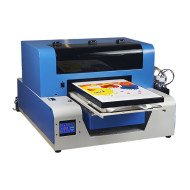
One standout option is GNFEI Technology’s A3 DTG Printer, offering scalability, premium build quality, and innovative features to reduce failure rates and maximize consistency. Whether you're just starting your garment printing business or upgrading your current setup, this machine ensures you stay ahead in the competitive apparel market.