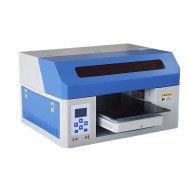
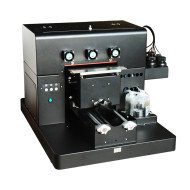
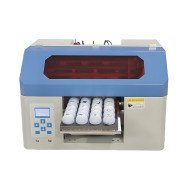
DTF printer technology skips pretreatment and prints directly onto film for faster textile production
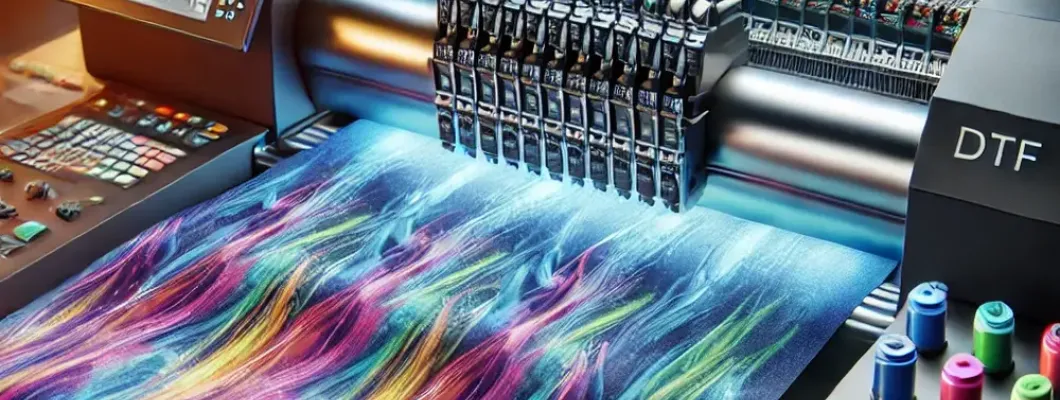
DTF printer technology skips pretreatment and prints directly onto film for faster textile production
The world of textile printing has undergone a remarkable evolution, and one of its leading innovations is the DTF printer. Direct-to-film (DTF) technology eliminates the need for pretreatment and revolutionizes production speed, enabling businesses to deliver high-quality prints on-demand. This game-changing equipment is quickly becoming the backbone of small businesses and industrial textile manufacturers alike, offering unparalleled versatility, durability, and efficiency.
How DTF printer technology minimizes production downtime
Traditional methods of garment printing, such as direct-to-garment (DTG) printing, require substantial setup time, pretreatment processes, and costly maintenance. The DTF printer, however, skips these lengthy steps by enabling direct printing onto a specialized, heat-transferable film. This advancement saves significant production time and reduces human errors, as the films are simply heat-pressed onto the fabric for sharp, vibrant results. Coupled with features like automatic white ink circulation and advanced RIP software, DTF technology ensures seamless workflow and precise layering, crucial for multi-color designs.
Understanding the working mechanism of a DTF printer
A DTF printer operates by laying down the design onto a PET film using a modified inkjet system. Unlike other printing methods, DTF employs water-based pigments and a layer of flexible adhesive powder that adheres perfectly to the printed ink. The process involves the following stages:
- Design preparation: A layout is created in professional RIP software, ensuring color accuracy and print resolution.
- Printing: The design is printed onto the PET film with white ink as a base layer for vibrancy on darker garments.
- Powdering: Hot-melt adhesive powder is carefully distributed over the wet ink.
- Curing: The film is cured using a heat press or dedicated curing oven to harden the adhesive.
- Heat transfer: The film is pressed onto the textile at high temperatures, transferring the ink and adhesive bond seamlessly onto the fabric.
DTF printer models and their cost-efficiency
Businesses looking to invest in DTF technology can select from a wide range of models designed to cater to various scales of production. Entry-level models, such as modified Epson inkjet printers, are available at affordable price points between $500–$800. For higher production demands, industrial-grade DTF printers, priced between $1,000 to $15,000, offer faster print speeds, larger print areas, and built-in white ink management systems. Whether you’re starting a small print shop or scaling a manufacturing operation, GNFEI’s lineup of DTF printers offers an ROI-focused solution with exceptional equipment durability and efficiency.
The superiority of DTF printer technology over traditional methods
When compared to screen printing, DTG, or sublimation printing, DTF printer technology holds several key advantages:
- Versatility: DTF can print on virtually any fabric, including cotton, polyester, blends, and more.
- Cost-effectiveness: Elimination of pretreatment reduces material waste and operating costs over time.
- Customization: Sharp gradients, complex patterns, and multi-tonal designs are effortlessly achieved.
- Durability: The adhesive powder ensures long-lasting prints capable of withstanding repeated washes.
Fleet management for industrial productivity using DTF printers
For businesses focused on scalability, managing a fleet of DTF printers offers a streamlined path to high-volume production. Key operational strategies for optimal fleet management include:
- Centralized software management: Leverage advanced RIP software to control multiple machines simultaneously.
- Regular maintenance schedules: Automated white ink circulation prevents clogging and ensures consistent print quality.
- Flexible scalability: Add new machines incrementally to accommodate increased demand without halting operations.
DTF printers as an ROI-driven investment
For decision-makers evaluating the impact of investing in DTF equipment, the cost-benefit analysis highlights the financial advantages. With the ability to print on-demand and handle both small and large orders efficiently, DTF printers unlock a steady revenue stream. Additionally, by reducing labor-intensive processes and material waste, the technology ensures a quicker return on investment (ROI). GNFEI’s industrial-grade models are designed with durability and reliability in mind, making them ideal for businesses determined to scale their operations without compromising on overall workflow efficiency.
Expert Verdict on DTF printer investment
DTF printer technology is not just a printing trend—it’s a revolution in textile production standards. From small businesses seeking quick customization capabilities to large-scale manufacturers optimizing efficiency, DTF printers cater to diverse operational demands while maintaining impeccable print quality. GNFEI Technology stands at the forefront, offering robust, high-performance solutions that redefine market expectations. Explore our comprehensive catalog of DTF printers designed to maximize uptime, reduce operating expenses, and deliver consistently brilliant textile transfers.