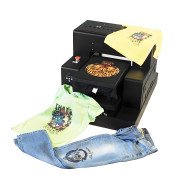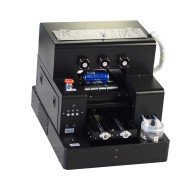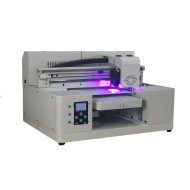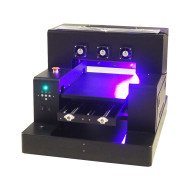
DTF printer technology prints directly onto film for faster, high-detail transfers.
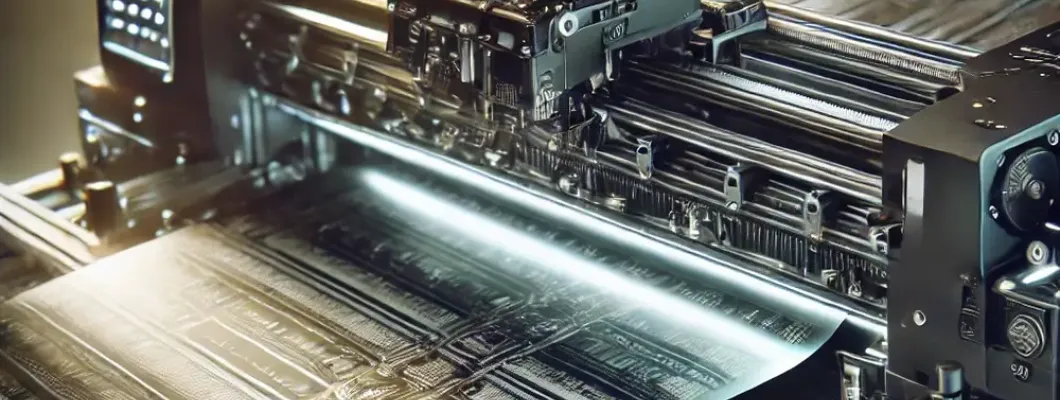
DTF printer technology prints directly onto film for faster, high-detail transfers.
What is a DTF Printer? The Future of Printing Technology
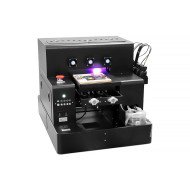
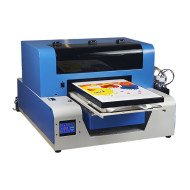
A DTF printer, short for Direct-to-Film printer, represents one of the most revolutionary advancements in textile and custom printing. Unlike traditional methods like screen printing or sublimation, DTF printers use a specialized process to transfer designs onto film and then onto fabrics or other surfaces. Offering precision, speed, and unparalleled versatility, DTF printers have become an industry standard for high-quality printing. From vibrant colors to intricate details, this technology is perfect for businesses looking to scale production efficiently.
How Does DTF Printer Technology Work?
At its core, DTF printer technology relies on a streamlined yet sophisticated workflow:
- Design Creation: Users begin by creating or uploading designs into a RIP (Raster Image Processor) software compatible with their DTF printer.
- Printing onto Transfer Film: The DTF printer applies a layer of colored ink followed by white ink onto a heat-resistant PET film.
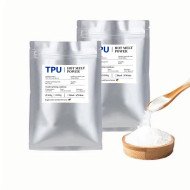
- Powder Application: A hot-melt adhesive powder is applied to make the printed design stick to the target material.
- Heat Fixation: The printed film is cured using a heat press or oven to ensure durability and longevity.
- Transfer to Material: Finally, the cured film is placed onto fabric, leather, wood, or other media, and heat-pressed for permanent adhesion.
Why DTF Printers Outperform Conventional Printing Methods
DTF printers offer several advantages over traditional techniques like DTG (Direct-to-Garment) or sublimation:
- Versatility: Unlike sublimation, which is limited to polyester surfaces, DTF printers work on cotton, polyester, nylon, silk, and more.
- Low Setup Cost: DTF technology involves fewer upfront costs compared to DTG setups.
- Vivid Colors & Fine Details: With white ink layering, DTF printing delivers brilliant colors that pop on dark surfaces while maintaining intricate details.
- Durability: Transfer results are highly durable, with strong resistance to washing and wear.
The ROI: Is Investing in a DTF Printer Profitable for Your Business?
Adding a DTF printer to your production line can yield significant ROI for small businesses and large-scale operations alike. Here’s why:
- High Margins: Given the versatility and aesthetic quality of DTF prints, businesses can command premium prices for custom products.
- Scalability: With automated features like white ink circulation and high-speed capabilities, DTF printers excel in batch production.
- Low Waste Output: The Direct-to-Film process minimizes waste, saving on ink and material costs.
- Revenue Opportunities: DTF printers open doors to producing merchandise, uniforms, promotional items, and custom packaging.
DTF Printer Specs to Consider
The market for DTF printers is saturated with models tailored to different needs. Whether you are an entrepreneur or an industrial printing veteran, here are key features and specifications to prioritize:
- Print Size: Machines range from compact A4 systems for home businesses to large-format A3 roll-fed printers for industrial setups.
- Ink Circulation Systems: Automatic white ink circulation prevents clogging, ensuring continuous, high-quality prints.
- Printing Speed: High-productivity models can complete tens of designs per hour, boosting efficiency.
- RIP Software Compatibility: Ensure your DTF printer supports advanced image-processing software for flawless results.
- Maintenance: Features like self-cleaning print heads reduce downtime and increase machine longevity.
Common Challenges and Ideal Solutions for DTF Printing
Like any cutting-edge technology, DTF printers come with their own set of challenges worth noting:
- Ink Management: White ink can settle and clog print heads. Choose DTF printers with automatic circulation systems.
- Learning Curve: While the DTF process is relatively straightforward, mastering RIP software and optimal curing techniques requires training.
- Film Consistency: Poor-quality film can lead to uneven transfers. Invest in premium PET films for consistent results.
Understanding these hurdles upfront allows businesses to select the right equipment and practices to ensure smooth, reliable operation.
DTF Printer Technology Applications
DTF printers are the ultimate choice for industries prioritizing customization and durability:
- Fashion & Apparel: Create customized t-shirts, hoodies, bags, and sportswear with intricate designs.
- Corporate Branding: Produce branded merchandise like uniforms, caps, and promotional bags.
- Specialty Products: Print on wood, glass, and leather for unique, high-cost items.
- E-Commerce: Tackle bulk orders for personalized clothing and gifts with ease.
Optimizing Your DTF Printer Production Line
Achieving maximum efficiency and profitability with your DTF printer requires strategic setup and operation:
- Workflow Automation: Equip your production space with conveyor dryers and stackable heat presses to save time.
- Use Quality Supplies: Invest in high-grade inks and PET films to ensure professional-grade prints every time.
- Routine Maintenance: Clean your printer regularly and check for clogs or wear and tear to avoid costly downtime.
The initial investment in reliable equipment pays off with increased throughput and consistent quality output.