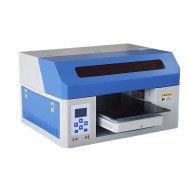
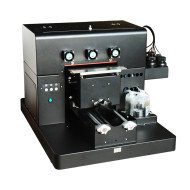
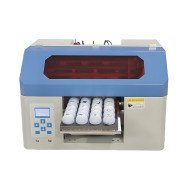
DTF Printer Performance Metrics: What 2024 Data Tells Us About Efficiency
DTF Printer Performance Metrics: What 2024 Data Tells Us About Efficiency
The rise of dtf printer technology is transforming custom printing businesses with its ability to combine cost-efficiency, versatility, and vibrant output. From small startups to industrial-grade production facilities, the direct-to-film (DTF) printing revolution continues to make waves in 2024, providing users with unprecedented control over designs and applications. For those seeking the most efficient printing solutions, it’s crucial to analyze the performance metrics that separate value-packed DTF printers from the rest of the pack.
In this article, we’ll dive deep into key performance metrics like print speed, image clarity, ink circulation, and cost-benefit analysis, providing technical insights tailored to both new entrants and seasoned professionals. Whether you’re scaling your business or upgrading current systems, understanding the metrics that define a high-performing DTF printer can help you make a better long-term investment.
What Are the Core Metrics of a High-Performing DTF Printer in 2024?
A DTF printer's success hinges on specific factors that impact productivity, image quality, and operating costs. Let’s break down the essential technical features and performance benchmarks:
1. Print Speed: Maximizing Throughput for High-Demand Production
Print speed is a critical factor in determining how well a DTF printer can handle bulk orders and tight deadlines. Modern DTF systems, like the GNFEI A3 Roll DTF Printer, boast efficient production capabilities with speeds ranging from 6 to 9 square meters per hour for industrial-use printers. This allows businesses to process larger quantities of garments in less time compared to traditional screen-printing or sublimation techniques.
For smaller-scale operations, compact models are optimized for lower production loads while maintaining competitive speeds. When evaluating a DTF printer, ensure its throughput aligns with your expected order volume.
2. Resolution and Image Quality: The Ultimate Test for Precision
Resolution is where DTF printers truly shine, offering superior detail and color vibrancy. Look for models capable of outputting at least 1440 DPI (dots per inch) for precise and photo-quality prints. Advanced printers such as Epson and Procolored models incorporate modern micro-piezo technology, ensuring seamless gradients and sharp edges even on complex designs.
Moreover, the inclusion of white ink layers in DTF printing plays a crucial role in enhancing print visibility on dark or colored garments. Many high-performance DTF printers include automated features for consistent white ink application, critical for image clarity and durability.
3. Ink Circulation and Maintenance Efficiency
DTF printers rely heavily on white ink, which is prone to settling or clogging. To combat this issue, modern printers integrate automated ink circulation systems. For example, the GNFEI A3 Roll DTF Printer’s advanced circulation feature prevents nozzle blockages and reduces operational downtime, extending equipment lifespan.
Efficiency in maintenance is another crucial factor. Models with automated nozzle cleaning and easy access for printhead servicing, such as Prestige or Epson-based systems, drastically reduce wear and tear caused by frequent manual maintenance.
Cost Analysis: DTF Printing vs. Alternatives
DTF printing has gained immense popularity not only because of its application versatility but also due to its cost-effectiveness when compared to other custom printing methods like DTG (Direct-to-Garment) or screen printing. Below is a breakdown of cost factors directly influencing ROI:
- Initial Investment: Entry-level DTF printers, like modified Epson inkjet models, start at $500-$1,000. On the other hand, industrial-grade units from brands like GNFEI range up to $15,000, offering higher capacity and reliability.
- Consumable Costs: DTF ink ranges from $50-$100 per liter, depending on quality and brand. Complementary heat-transfer films and adhesives also remain affordable compared to DTG-printing consumables.
- Per-Print Costs: The average cost of producing a custom transfer with a DTF printer is $0.20-$0.50, significantly less than comparable DTG or 3D sublimation prints.
Coupled with the rapid production efficiency outlined earlier, these advantages make DTF printing a feasible choice for businesses of all sizes.
Industry Applications of High-Quality DTF Printers
1. Apparel & Textile Customization
From branded uniforms to stylish fashion designs, the textile industry is embracing DTF printers for their ability to replicate vivid, full-color designs on a range of materials. Because DTF works on poly-blends, cotton, and synthetic fibers alike, the technology offers unmatched versatility for application-focused businesses.
2. Small Business and Entrepreneurial Ventures
One of the key drivers of DTF printer adoption is the popularity of small, independent businesses starting print-on-demand brands. Compact desktop DTF models, offering intuitive software and low-cost operation, lower the barrier to entry for aspiring entrepreneurs.
3. Large-Scale Commercial Printing
Industrial-grade models such as GNFEI’s flagship units cater to high-volume production lines. With roll-fed film input, automated white ink processing, and reliable heat transfer execution, they are engineered to handle thousands of prints daily without quality compromise.
Maximizing ROI Through Strategic Usage
Investing in a reliable DTF printer begins with selecting a machine that aligns with your production goals. However, achieving maximum ROI also involves leveraging best practices to maintain machine longevity and reduce operational costs:
- Routine Maintenance: Follow manufacturer guidelines for daily cleanings and ink circulation checks to prevent clogging and extend printhead life.
- Software Optimization: Advanced RIP software included with premium models offers precise ink control, reducing waste while ensuring superior design rendering.
- Bulk Material Handling: Purchase inks, films, and adhesive powders in bulk to gain discounts without compromising output quality.
Expert Verdict on DTF Printer Investment
The advancements in DTF printer technology make it an invaluable asset for businesses looking to scale their customization offerings or enter the ever-growing custom apparel market. Today’s innovations ensure high efficiency, minimal maintenance demands, and competitive pricing, enabling an attractive balance between upfront investment and long-term profitability.
Whether you’re a small business owner or a large-scale producer, embracing DTF printing technology with a robust and reliable system like the GNFEI A3 Roll DTF Printer ensures that your operation stays ahead of the curve in 2024 and beyond. By aligning your equipment with business goals, you can capitalize on this versatile technology while minimizing operational risks.