Demystifying DTF Printer Specs: A B2B Buyer's Checklist
Demystifying DTF Printer Specs: A B2B Buyer's Checklist
The DTF printer is rapidly becoming the preferred choice for businesses aiming to streamline their textile printing operations. As industries shift toward more efficient and customizable production methods, understanding the technical specifications and ROI potential of a DTF printer is critical for maximizing profitability and staying ahead in the competitive marketplace. Whether you’re an established printing business or a startup exploring custom garment solutions, this guide uncovers the key details you need to know to make a smart investment.
What is a DTF Printer, and How Does It Work?
DTF (Direct-to-Film) printers represent a breakthrough in the textile printing industry. Unlike traditional methods such as DTG (Direct-to-Garment) or screen printing, DTF printers use a specialized process that transfers designs directly onto film, which is subsequently heat-pressed onto fabric. This workflow includes:
- Design Preparation: Using RIP software to adjust image settings for enhanced print quality.
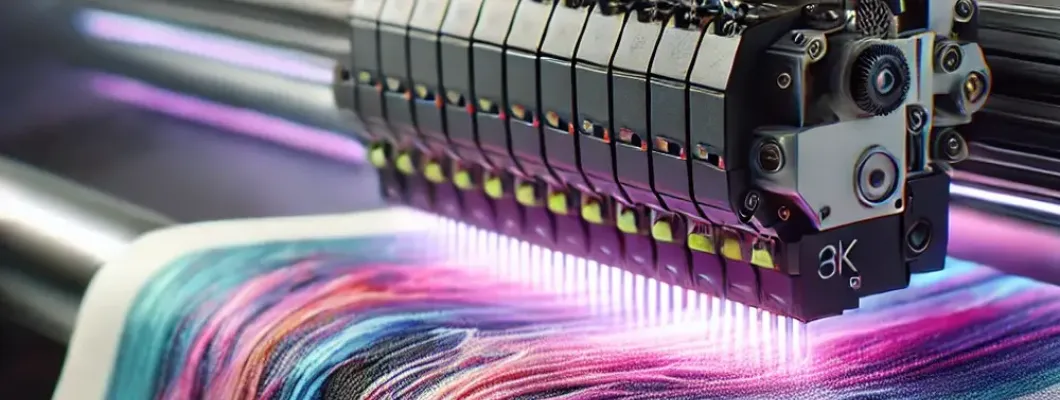
- Ink Application: Print designs onto a PET film using pigments and a layer of white ink for opacity.
- Powder Application: Apply adhesive powder to the print for fabric adhesion.
- Heat Transfer: Use a heat press to transfer the design onto your material seamlessly.
This efficient process enables both vivid color replication and compatibility with a wide range of fabrics, making a DTF printer ideal for businesses catering to diverse customer needs.
Key Technical Features to Evaluate in a DTF Printer
Choosing the right DTF printer means scrutinizing its technical specifications to ensure it meets your operational and production goals. Critical features include:
1. RIP Software Integration
Professional-grade DTF printers come equipped with proprietary RIP (Raster Image Processor) software, enabling precise customization of color profiles, image dimensions, and resolution. For optimal results, seek models that include free or robust RIP software as part of the package.
2. Ink Circulation System
White ink circulation is vital for preventing sedimentation and ensuring consistent print quality. Advanced DTF printers are designed with auto white ink circulation to maintain efficiency even during prolonged operations.
3. Print Width and Format
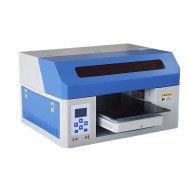
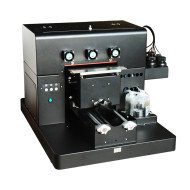
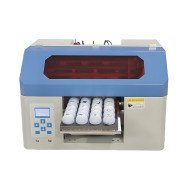
From compact A4 models to larger A3 and roll-to-roll configurations, DTF printers cater to varying business needs. For mass production environments, a roll-fed DTF printer provides scalability and higher throughput rates, while desktop models are ideal for boutique or startup operations.
4. Durability and Maintenance
The best DTF printers, such as the GNFEI A3 Roll model, are engineered for durability. Look for components like dependable printheads and automated capping stations for long-term reliability with minimal maintenance needs.
Comparing DTF Printers to Alternative Textile Printing Methods
For businesses new to the world of garment printing, distinguishing between DTF and other technologies is essential. Here’s how DTF stacks up against popular alternatives:
DTF vs. DTG Printing
Direct-to-Garment printing excels at printing on cotton fabrics but struggles with synthetics. In contrast, DTF printers deliver versatile results across cotton, polyester blends, and even leather materials, thanks to the adhesive powder process.
DTF vs. Screen Printing
Screen printing is cost-effective but lacks the customization flexibility offered by DTF technology. DTF printers allow for intricate multicolor designs and quick turnarounds, making them ideal for on-demand production.
DTF vs. Sublimation Printing
Sublimation printing requires polyester-based fabrics and often limits color vibrancy. A DTF printer overcomes this with vibrant inks and compatibility across various fabric types and thicknesses.
Maximizing ROI with a DTF Printer
One of the biggest draws of DTF printers is their ROI potential. Here’s how they deliver value over time:
Low Startup Costs
Entry-level modified inkjet DTF printers cost between $500-$1,000, while industrial-grade models range from $1,000-$15,000. These costs are significantly lower than comparable machinery used for DTG or digital printing solutions.
Reduced Waste
Unlike screen printing, which often results in excess material waste, the DTF process is streamlined. Adhesive powder is used efficiently, while PET transfer films remain reusable for mockups or testing.
Versatility Boost
A single DTF printer can serve customers requiring a variety of designs, fabric styles, and order sizes without demanding major equipment reconfiguration, saving time and labor costs.
Optimizing DTF Printer Production Lines
To unlock the full potential of DTF technology, businesses should optimize their workflows. Key strategies include:
- Maintain Your Equipment: Regularly clean printheads and ensure ink circulation systems are functioning properly.
- Train Staff: Provide training on RIP software operation to enhance design precision.
- Monitor Supplies: Keep stock of inks, adhesive powders, and PET films to prevent workflow interruptions.
- Invest in Upgrades: Scale up from desktop models to roll-to-roll configurations as your business grows.
Expert Verdict on DTF Printer Investment
For businesses in garment printing, custom apparel creation, and promotional product industries, the DTF printer is a transformative solution. With its efficiency, versatility across fabric types, and high ROI potential, it’s a strategic investment that addresses key production pain points while enabling growth. At GNFEI Technology, we offer cutting-edge DTF printers engineered for performance, durability, and state-of-the-art software integration. Explore our range now to revolutionize your textile printing business.