9 reasons a DTF printer might be the wrong choice for your business
9 reasons a DTF printer might be the wrong choice for your business
If your business is considering investing in a dtf printer, it’s crucial to evaluate whether this technology aligns with your production goals, resources, and long-term vision. While direct-to-film printing offers compelling advantages, such as vibrant color reproduction and versatility in fabric types, it’s not the ideal solution for every business. In this article, we’ll explore nine reasons why a DTF printer might be the wrong choice for your operation, highlighting the factors that could impact your ROI, operational efficiency, and scalability.
1. High Initial Investment for Beginners
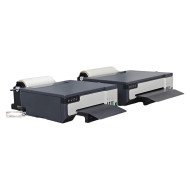
Although DTF printers have become more accessible, the upfront cost can still be prohibitive for small businesses or startups. Professional-grade DTF printers, such as the GNFEI A3 Roll-to-Roll model, range from $1,000 to $15,000 depending on their features and build quality. Moreover, these costs don’t include ancillary equipment like heat presses, RIP software, and consumables, such as PET film, inks, and adhesive powder. For businesses with tight capital, this initial expense might outweigh the short-term benefits offered by DTF printing.
2. Workflow Complexity
Operating a DTF printer isn’t as straightforward as other printing methods like sublimation or vinyl cutting. The process typically involves multiple steps: printing the design onto a PET film, applying adhesive powder, curing it, and then heat-pressing it onto fabric. For teams new to this technology, the learning curve can affect production speed, leading to inefficiencies and bottlenecks.
3. Maintenance Demands
DTF printers require consistent maintenance to function at optimal levels. Features such as white ink circulation, frequent printhead cleaning, and proper storage of consumables are non-negotiable aspects of upkeep. Skipping these steps could lead to expensive downtime or defective outputs, making this technology less viable for businesses with limited technical expertise.
4. Consumable Costs Add Up Quickly
While a DTF printer delivers stunning results, its ongoing costs can strain your budget. High-quality pigment inks, adhesive powders, and PET films are significantly more expensive than alternatives used in methods like screen printing or DTG (Direct to Garment). Additionally, the cost per print can fluctuate due to variable factors such as ink coverage, especially for designs with heavy white ink requirements.
5. Limited UV and Weather Resistance
One of the lesser-known disadvantages of DTF printing is its lack of long-term durability for outdoor or heavily used items. Prints produced by DTF printers may exhibit degradation over time, especially when exposed to intense UV light or harsh weather conditions. This limitation can be a dealbreaker for businesses targeting customers who require rugged, all-weather apparel.
6. Specialized Equipment Requirements
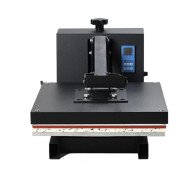
A full DTF setup involves more than just the printer. Essential equipment includes a curing oven, a heat press machine, and a shaker for even powder distribution. Additionally, certain models require proprietary RIP software to ensure accurate color output and printer efficiency. For businesses lacking the infrastructure to support these add-ons, managing a DTF system can become overwhelming.
7. White Ink Challenges
White ink, essential for creating opaque designs on dark fabrics, is notorious for its challenges in DTF printing. It tends to settle and clog nozzles if the printer isn’t in regular use or if proper maintenance protocols aren’t followed. The constant need for agitation and circulation of white ink increases operational complexity and consumable waste, particularly for low-volume businesses.
8. Sustainability Concerns
In an era that values eco-friendly printing solutions, DTF printing’s reliance on synthetic PET films and maintenance-heavy ink technologies can be viewed as a downside. Businesses that prioritize green initiatives may prefer methods with biodegradable substrates or technologies with lower energy consumption, such as DTG or screen printing.
9. Not Ideal for Large-Scale Production
For organizations that handle high-volume production, a DTF printer might fall short of expectations. While suitable for small to medium runs, DTF printers typically struggle with the speed and consistency required to meet large-scale demand. In such cases, businesses may find that screen printing or other batch-friendly technologies better suit their needs.
Who Should Consider Alternatives to a DTF Printer?
While DTF printers offer impressive flexibility, they’re not one-size-fits-all devices. Businesses that prioritize low-cost operations, simple workflows, or eco-conscious practices may want to explore alternatives. Screen printing remains a benchmark for high-volume projects, while digital sublimation and DTG are excellent choices for single-item runs or photo-quality designs.
Expert Verdict on DTF Printer Investment
Choosing the right printing technology is about aligning your unique business objectives with the capabilities of the platform. If your business values vibrant, full-color prints for small to mid-range runs, a dtf printer could be a game-changer. However, if you’re operating on a limited budget, managing high-volume orders, or requiring robust outdoor-ready prints, alternative methods may deliver greater ROI and efficiency.