7 Reasons Your DTG Printer Is More Trouble Than It's Worth
7 Reasons Your DTG Printer Is More Trouble Than It's Worth
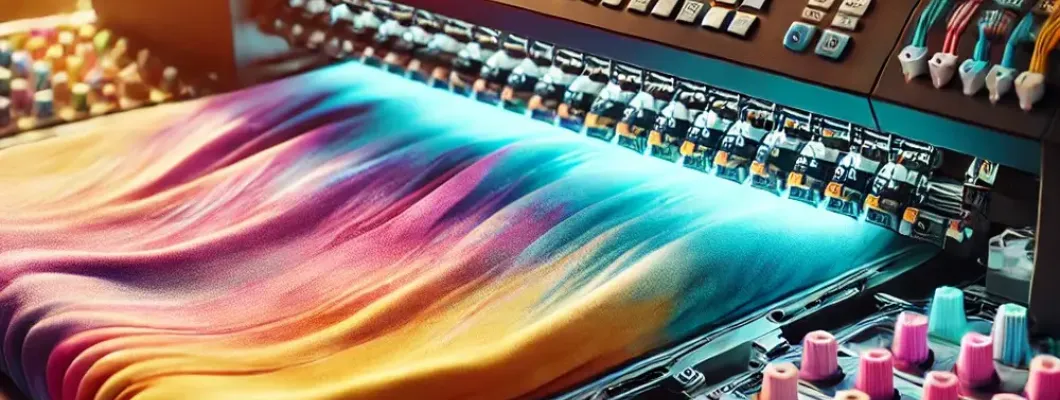
The promise of a dtg printer—Direct-to-Garment technology—is enticing. Custom, full-color designs on fabrics made simpler than ever before. But is the reality as seamless as it seems? DTG printers are widely marketed as the perfect solution for small print shops and growing apparel businesses, but their practical performance often raises significant questions for operators about ROI, durability, and productivity. Below, we dive into seven compelling reasons why your DTG printer might be more trouble than it's worth.
1. High Initial Investment Costs for DTG Printers
One of the first hurdles for a business considering a DTG printer is the price tag. Professional-grade DTG printers designed for business use can cost anywhere between $15,000 and $30,000 or more. While manufacturers claim these machines pay for themselves in no time, the financial outlay is steep for many start-ups or small print shops. Beyond the initial cost, auxiliary expenses such as specialized RIP (Raster Image Processor) software, garment platens, and maintenance kits inflate your investment even further.
For those new to garment printing, evaluating alternative technologies like heat transfer or screen printing may provide better ROI with lower upfront costs.
2. Complex Maintenance Requirements
DTG printers are notorious for their extensive maintenance needs. Unlike simpler technologies, these printers require daily upkeep, particularly if multiple colors or white ink are involved. White ink, used for dark or colored garments, tends to clog machine printheads, forcing operators into rigorous cleaning routines. Failure to keep up with cleaning cycles can result in poor print quality, wasted ink, and costly downtime.
Maintenance Checklist for DTG Printers
- Daily head cleanings to prevent ink clogs.
- Periodic replacement of dampers and waste tanks.
- Monitoring ink expiration dates to avoid costly waste.
For production lines operating at scale, these time-consuming cleaning cycles may reduce operational efficiency, negating some of the productivity promises of DTG technology.
3. Limited Fabric Compatibility
While DTG printers excel at printing on cotton-based fabrics (ideally over 80% cotton), they struggle with synthetic blends, such as polyester or spandex. This limitation can be frustrating for businesses aiming to diversify their offerings beyond t-shirts and hoodies. Attempts to print on lower-cotton fabrics often result in lackluster color vibrancy and poor durability, leading to dissatisfied customers.
To address these limitations, some manufacturers offer pre-treatment solutions for synthetic blends. However, pre-treatment adds extra steps to the production process and only partially improves results.
4. Slow Production Speeds
For businesses looking to scale operations, DTG printers are not always the most efficient option. Printing garments one-by-one, especially when complex designs or multiple colors are involved, can drastically slow production. A typical DTG printer might require 5–10 minutes per garment, depending on design complexity, far slower than traditional methods like screen printing. For large-scale orders, this inefficiency can prove detrimental.
Comparative Example
- DTG printing: 5–10 minutes per garment.
- Screen printing: 20–50 garments per hour.
High-volume commercial printers might find DTG’s output speeds unsuitable for meeting scale demands effectively.
5. Dependence on Pre-Treatment for Certain Projects
Pre-treatment is a mandatory step for many DTG printing applications, particularly when working on dark fabrics. Operators need to meticulously apply pre-treatment liquid, evenly cure the garment, and ensure no residue is left behind. Improper pre-treatment can result in ink bleeding or uneven prints, leading to dissatisfied customers and wasted materials.
Furthermore, pre-treatment adds another time-consuming and labor-intensive layer to the workflow, increasing labor costs per garment printed. Automated pre-treatment machines, while helpful, represent another expensive addition to your DTG setup.
6. Ink Costs and Consumables Can Skyrocket
The high cost of ink is often overlooked during the purchasing decision but becomes a constant concern during operations. DTG printers rely on high-quality pigment inks formulated for textile applications, and white ink is particularly costly. On top of that, ink wastage during maintenance—such as flushing printheads—adds to monthly consumables expenses.
Calculating the cost of ink per printed garment often reveals slim profit margins unless your pricing strategy compensates for these expenses. Add in the cost of printable garments, and you may find DTG printing less cost-effective than expected.
7. Durability Challenges in Industrial Use
DTG printers are typically marketed for small- to mid-volume use. When exposed to rigorous industrial demands, however, machines can struggle with wear and tear over time. Printhead failures, platen damages, and finicky RIP software glitches can disrupt operations. While manufacturers like Brother and Epson offer robust models like the GTXpro and SureColor series, the reality is that no DTG printer is entirely immune to issues under high-stress conditions.
Signs Your DTG Printer Is Wearing Down
- Frequent errors in print alignment.
- Reduced color consistency over large orders.
- Prolonged downtime due to repairs.
If your business operates under tight deadlines, time-sensitive outputs, or large batch orders, industrial durability is a critical factor that DTG printers often fail to meet.
Expert Verdict on DTG Printer Investment
The idea of owning a DTG printer comes with plenty of promises, but potential buyers must conduct a thorough cost-benefit analysis. Whether the issues stem from technical limitations, fabric compatibility, production speed, or maintenance, investing in DTG printers may not yield the ROI you need—especially for higher-volume workflows. Before purchasing, consider your business model, capacity requirements, and long-term operational costs.
If you're scoping out the market for machines optimized for durability, precision, and scalability, be sure to explore GNFEI Technology's A3 DTG Printer, specifically engineered for seamless integration into demanding production environments.