
The Future Factory: DTG Printing in Smart Manufacturing
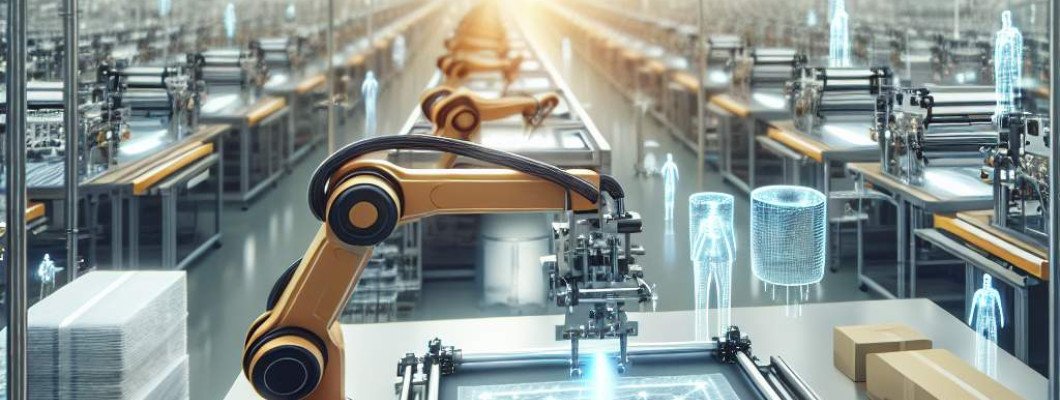
Struggling to keep up with modern manufacturing demands? Curious about how DTG printing could revolutionize your smart factory? You"re not alone. Many industry leaders are turning to Direct-to-Garment (DTG) printing as a key component in their smart manufacturing strategies. In this blog, we"ll explore how DTG printing is transforming the future factory and what you need to know to stay ahead.
What Is DTG Printing and Why Is It a Game Changer?
DTG printing, or Direct-to-Garment printing, is a digital printing technology that applies ink directly onto fabric. Think of it as the modern upgrade from traditional screen printing. Instead of screens and stencils, DTG uses high-tech inkjet printers to produce detailed, full-color designs with incredible precision.
Now, why is this so important in smart manufacturing? Because DTG printing is scalable, flexible, and perfect for on-demand production. It allows factories to respond quickly to personalized orders without sacrificing quality or speed. As demand for customization rises, DTG becomes a vital tool in the smart factory"s arsenal.
How DTG Fits into the Smart Manufacturing Ecosystem
Smart manufacturing is all about integrating digital technologies—IoT, automation, AI—to create more efficient and flexible production lines. And DTG printing seamlessly fits into this ecosystem. Here"s how:
- On-Demand Production: DTG allows factories to produce small batches or single items with cost-effective results. This reduces inventory costs and minimizes waste.
- Automation and Integration: Modern DTG printers can be integrated into automated workflows, enabling continuous operation with minimal human intervention.
- Customization at Scale: Businesses can offer personalized products efficiently, boosting customer satisfaction and opens new revenue streams.
- Data-Driven Quality Control: Sensors and analytics can monitor printer health and output, ensuring consistent results every time.
Benefits of Using DTG Printing in Smart Factories
Switching to DTG printing in your smart manufacturing setup isn"t just about keeping up. It"s about gaining a competitive edge. Here are some of the biggest benefits:
Speed and Flexibility
Traditional printing methods often involve long setup times. DTG reduces this to minutes, making it ideal for rapid prototyping and quick turnaround. Want to test a new design or update artwork? Just upload your file, and you"re ready to print.
High-Quality, Vibrant Prints
DTG technology can produce detailed, photo-quality images with a broad color spectrum. This level of quality is hard to match with screen printing or vinyl. Plus, it handles complex designs with ease.
Cost-Effective for Small Batches
Set-up costs are minimal with DTG, so it"s economical for short runs and one-offs. No need for expensive screens or molds, which often eat into margins with traditional methods.
Eco-Friendly and Sustainable
DTG printers use water-based inks that are environmentally friendly. Less waste and energy consumption align perfectly with green manufacturing goals.
Reduced Inventory and Waste
Produce only what"s needed, reducing excess stock. Plus, on-demand production avoids overproduction and obsolete inventory.
Implementation Tips for Your Smart Manufacturing Line
If you"re thinking about integrating DTG into your factory, here are some tips:
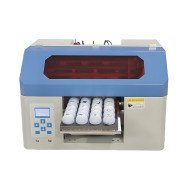
- Invest in Quality Equipment: Opt for reliable, high-performance DTG printers. Check features like print resolution, speed, and ease of maintenance. For example, the A3 DTG Printer offers excellent quality and versatility for various production scales.
- Integrate with Digital Systems: Connect your DTG printers to your overall MES (Manufacturing Execution System) or ERP to streamline workflows.
- Train Your Workforce: Ensure staff understands both the operation and maintenance of the printers to maximize uptime.
- Focus on Data Analytics: Use data from printer sensors and production metrics to identify bottlenecks and improve quality control.
Imagine a small t-shirt company that used to take days to fulfill custom orders. After installing a well-integrated DTG system, they can now design, print, and ship within hours. That"s the power of smart manufacturing with DTG technology.
Challenges to Consider
Like any technology, implementing DTG in your smart factory isn"t without hurdles:
- Initial Investment: High-quality DTG printers and integration can require significant upfront costs.
- Color Management: Achieving consistent colors demands proper calibration and maintenance.
- Material Compatibility: Not all fabrics are suitable—make sure your materials are compatible with DTG inks.
Stay Ahead with Innovation
DTG printing is more than just a production technique; it"s a strategic advantage. As part of a smart manufacturing setup, it empowers your business to adapt quickly and meet changing customer demands. The key is to stay informed about the latest advancements and continuously optimize your workflow.
Check out this versatile DTG Printer to see how your factory can start transforming today.FAQs
1. How does DTG printing compare to traditional screen printing in terms of cost?
For small batches and detailed designs, DTG is more cost-effective due to lower setup costs. Screen printing becomes economical only when producing large quantities.
2. Is DTG printing suitable for all fabric types?
No, it works best with cotton and blends that absorb water-based inks well. Fabrics like polyester may require specialized inks or aren"t recommended.
3. What kind of maintenance does a DTG printer need?
Regular cleaning of print heads, calibration, and ink refills are essential to maintain print quality. Many modern printers include automated maintenance features.
4. Can DTG printing be integrated into automated manufacturing lines?
Absolutely. Most modern DTG printers connect to digital workflows, making integration with automated systems straightforward.
5. What"s the typical lead time from design to finished product using DTG?
In most cases, within a few hours for small to medium runs, thanks to quick setup and digital workflows. Large batches might still take longer but are generally faster than traditional methods.















Leave a Comment