
The Future Factory: DTG Printing in Smart Manufacturing
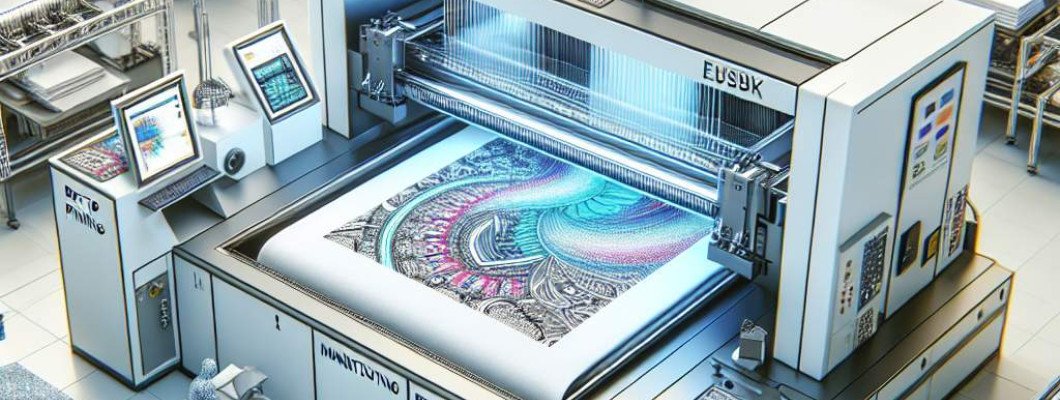
Are You Ready to Embrace the Future of Manufacturing with DTG Printing?
Have you ever wondered how the manufacturing world is transforming right before our eyes? The answer is actually pretty exciting — thanks to the rise of DTG printing in smart factories. It's not just about printing on textiles anymore; it's about revolutionizing how products are made, customized, and delivered. If you"re involved in manufacturing and want to stay competitive, understanding the role of DTG technology is a game-changer. Let"s dive into how this innovation is shaping the factory of tomorrow.
What Is DTG Printing and Why Is It Key to Smart Manufacturing?
DTG, or Direct-to-Garment printing, is a process where printers deposit ink directly onto fabric, allowing for highly detailed images and vibrant colors. Advances in digital printing technology now make it possible to produce smaller batches faster, with less waste. Think of it as a printer on steroids — it"s fast, precise, and adaptable.
In the context of smart manufacturing, DTG plays a crucial role. It"s not just about speeding up production; it"s about customizing products on-demand, reducing excess inventory, and embracing automation. Imagine being able to produce personalized T-shirts or custom textiles in real time — that is the power of DTG in a smart factory.
How DTG Enables Personalization and Flexibility
- On-demand production: No need for large inventories. Orders are printed as they come in.
- Quick turnaround: Speeds up the time from order to delivery.
- Customization at scale: Each product can be unique without extra costs.
- Reduced waste: Print only what is needed, reducing excess material and energy consumption.
The Integration of DTG in Industry 4.0
Many manufacturers are now integrating DTG printers into their smart factories, connecting them with IoT devices and automation systems. This integration offers several benefits:
- Real-time data analytics to optimize printing processes.
- Automated quality control for consistent results.
- Seamless workflow from order placement to printing and shipping.
Picture chatting with a factory manager who just installed a state-of-the-art DTG printer linked to their inventory management system. They can see orders pop up, watch as the printer adjusts for perfect color and fabric compatibility, and then ship out products faster than ever before. This is the new norm in smart manufacturing.
Key Benefits of DTG Printing in Smart Factories
If you're considering integrating DTG into your manufacturing line, here are some solid reasons why:
- Increased production flexibility: It"s easy to switch designs or product types without major retooling.
- Cost-effective for small runs: Avoid the high setup costs associated with traditional printing methods.
- Environmentally friendly: Less waste and fewer chemicals make DTG a greener solution.
- Enhanced product quality: Sharp images with vibrant colors that appeal to consumers.
Practical Tips for Implementing DTG in Your Factory
Thinking of jumping in? Here are some tips based on real-world experiences:
- Invest in high-quality equipment; consider options like the A3 DTG Printer from GNFEI — it"s reliable and efficient.
- Train your team thoroughly on maintenance and operation to avoid costly downtime.
- Start small: Pilot the technology on a limited product line to understand workflow adjustments.
- Leverage data: Use IoT and analytics to monitor performance and optimize settings continually.
- Partner with tech providers who understand both printing and automation to maximize integration.
Real-World Examples and Success Stories
Take the case of a mid-sized apparel company that adopted DTG printing. They started with custom university merchandise. Workflow automation combined with DTG reduced their order fulfillment time by 30%. Customers loved the personalized designs, and their margins improved because they avoided overproduction and waste. It"s a perfect example of how a smart factory with DTG can deliver both efficiency and customer satisfaction.
Frequently Asked Questions (FAQs)
Is DTG printing suitable for mass production?
While DTG shines in small to medium runs, some advanced setups can handle larger volumes. However, for very large-scale production, traditional methods may still be more cost-effective.
How does DTG compare to screen printing in terms of quality?
DTG offers high-resolution images with a wider color spectrum. It's ideal for detailed designs, whereas screen printing might have advantages for bulk, simple designs.
What fabrics work best with DTG printing?
Cotton and cotton-blend fabrics yield the best results. Be sure to prep fabrics properly for optimal ink absorption.
Is DTG environmentally friendly?
Yes, it produces less waste and uses environmentally safer inks compared to traditional printing techniques.
What should I look for when choosing a DTG printer?
Focus on print quality, speed, compatibility with different fabrics, and ease of maintenance. A good starting point is the A3 DTG Printer from GNFEI, known for its reliability.















Leave a Comment