
DTG market share consolidating as subscription pricing models disrupt traditional pricing
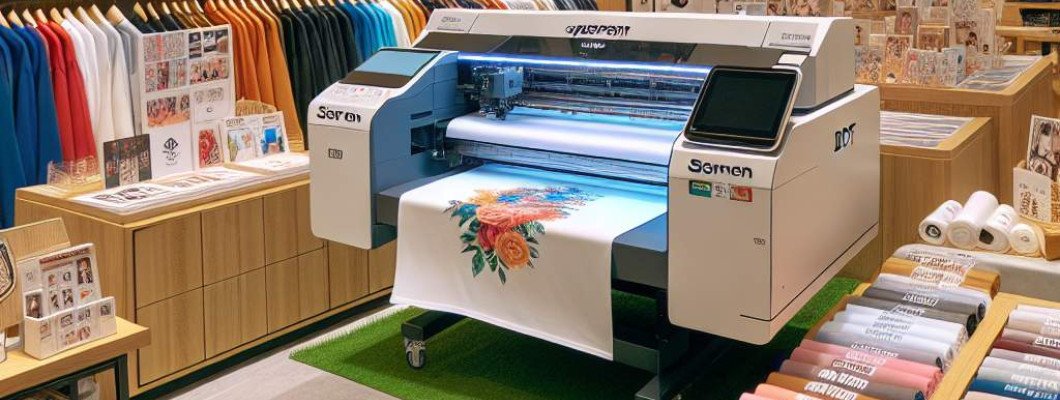
DTG Market Share Consolidating as Subscription Pricing Models Disrupt Traditional Pricing
The digital textile printing industry, especially Direct-to-Garment (DTG) printing, has experienced rapid growth over the past decade. Once considered a niche segment, DTG is now a mainstream choice for clothing brands, custom print shops, and even large-scale apparel manufacturers. This expansion has been driven by technological advancements, increased demand for on-demand customization, and the evolving economics of printing technology. However, the most intriguing shift happening today is the way in which pricing structures are transforming, with subscription-based models beginning to dominate and reshape the competitive landscape.

Traditionally, DTG printers were sold with high upfront capital costs, followed by ongoing expenses for inks, maintenance, and consumables. This model often placed a significant financial burden on small businesses or startups trying to break into the market, limiting their ability to scale or experiment with different printing capacities. Pricing was straightforward but rigid—a one-time purchase plus variable costs. Now, however, as subscription models emerge, the game is changing dramatically. Companies offering DTG hardware and associated services are moving toward flexible, recurring payment plans that include software, maintenance, and even ink supply management. This approach lowers entry barriers, encourages innovation, and allows businesses to adapt quickly to market demands.
The Rise of Subscription Pricing in DTG Technology
The shift towards subscription pricing is part of a broader trend seen across various high-tech industries—software-as-a-service (SaaS) being a prime example. For DTG printing, this translates into monthly or annual plans that bundle hardware leasing, software licenses, support, and sometimes even consumables. Such models democratize access to advanced printing technology, making it feasible for smaller entities to compete with established players. They also enable companies to keep their equipment up-to-date without hefty capital investments, since upgrades are often included in the subscription package.
Beyond reducing upfront costs, subscription models often include features like remote diagnostics, cloud-based print management, and data analytics—tools that enhance productivity and quality control. This integrated approach ensures that printers stay at the forefront of innovation while lowering the risk associated with obsolescence or technical failure. As a result, the industry witnesses a consolidation of market share among providers that adopt and optimize these flexible pricing strategies, effectively disrupting traditional business models. The ability to forecast costs more accurately and plan for growth creates a compelling proposition for end-users, fostering loyalty and long-term partnerships.
Impact on MarketShare and Industry Dynamics
As subscription-based services become more prevalent, smaller players are increasingly able to enter the market, challenging the dominance of well-established brands that relied solely on upfront sales. The traditional market share held by big equipment manufacturers is gradually consolidating as newcomers leverage subscription models to gain footholds. For example, brands offering all-inclusive packages that include hardware, supplies, and support are often perceived as more accessible and customer-centric, which appeals to a new generation of entrepreneurs and creative businesses.
This transition has led to a more competitive landscape, where innovation and customer experience often take precedence over aggressive pricing or sales tactics. Companies offering flexible payment options and comprehensive services tend to retain clientele longer, leading to increased market share over time. Furthermore, the integration of digital tools within the subscription framework encourages ongoing client engagement, data sharing, and customization—further reinforcing market consolidation among those who adapt fastest to this new paradigm. The net effect is a more dynamic and resilient industry, with a shift from product ownership to subscription-based access.
Challenges and Opportunities of Subscription Models
While subscription pricing brings numerous benefits, it"s not without challenges. Some traditional industry players are cautious about relinquishing control over hardware sales and the revenue streams associated with equipment ownership. There"s also a learning curve related to managing ongoing service delivery, billing, and customer support at scale. Moreover, subscription fatigue can occur if clients perceive the long-term costs to outweigh the benefits, especially if they do not see continuous value addition from the provider.
Conversely, this paradigm opens up significant opportunities for innovation. Suppliers can offer tiered plans tailored to different business sizes and growth stages, enabling access to premium features for larger clients while maintaining affordability for startups. Another advantage is the ability to rapidly deploy updates, new features, and integrations that keep users competitive without costly upgrades. For end-users, this translates into agility: they can experiment with new designs, expand their product offerings, and adapt to market trends swiftly—further intensifying the competition among providers that adopt these models.
Future Outlook: What"s Next for the DTG Industry?
The ongoing shift toward subscription-based models indicates a future where flexibility, accessibility, and continuous innovation will define industry leaders. As the adoption accelerates, we can anticipate several key developments: increased investment in cloud-based solutions, greater integration of AI-driven print management, and enhanced user experiences through streamlined interfaces. The market is also likely to see more hybrid models that combine traditional sales with subscription services, offering clients multiple options to suit their operational needs and financial strategies.
Additionally, the rise of open-source platforms and community-driven innovations could complement subscription strategies, fostering a vibrant ecosystem of third-party software, materials, and accessories. This interconnected network may facilitate even more rapid industry consolidation, especially as smaller companies leverage these alliances to challenge larger corporations. For consumers and businesses alike, the overall impact will be increased choice, lower risks, and the opportunity to harness cutting-edge technology without prohibitive investments.
Exploring the Best DTG Printer for Your Business
For entrepreneurs and established brands looking to capitalize on these trends, selecting the right DTG printer is crucial. One highly recommended option is the A3 DTG Printer, known for its quality, reliability, and accessibility. This model demonstrates the potential of modern DTG technology to adapt seamlessly within flexible pricing ecosystems, providing high-resolution printing, fast turnaround times, and user-friendly interfaces. Incorporating such equipment into a subscription or leasing plan enables your business to stay competitive in this evolving landscape.
Conclusion: Embracing the New Era of DTG Printing
The consolidation of market share within the DTG industry, driven by the proliferation of subscription pricing models, signifies a fundamental transformation in how printing technology is offered and consumed. This change benefits both providers and end-users by facilitating innovation, reducing upfront costs, and increasing accessibility. As the industry continues to adapt, businesses that embrace these flexible models and stay ahead of technological developments will be better positioned for sustained growth and success. The future of DTG printing looks vibrant, agile, and empowering—qualities that define the new era of digital textile manufacturing.



















Leave a Comment