
Automated pre-treatment units integrating seamlessly with DTG print workflows
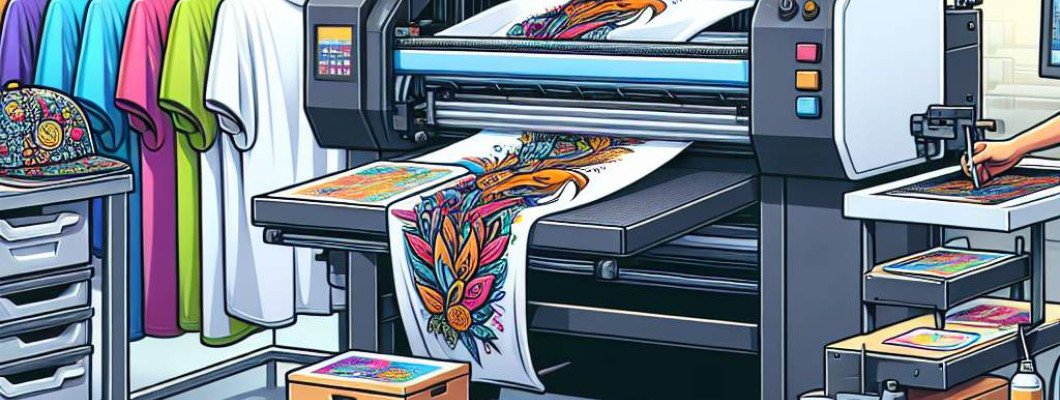
Automated pre-treatment units integrating seamlessly with DTG print workflows
In the rapidly evolving world of digital textile printing, especially Direct-to-Garment (DTG) printing, achieving high-quality, consistent results while maintaining efficiency is paramount. One technological advancement leading the way is the integration of automated pre-treatment units into DTG workflows. These systems are designed to streamline the pre-treatment process, reduce manual labor, and ensure optimal print quality — all while saving valuable time and resources. As labels like A3 DTG printers lead the industry, understanding how automated pre-treatment units fit into the workflow becomes essential for print shops aiming for excellence and competitiveness.
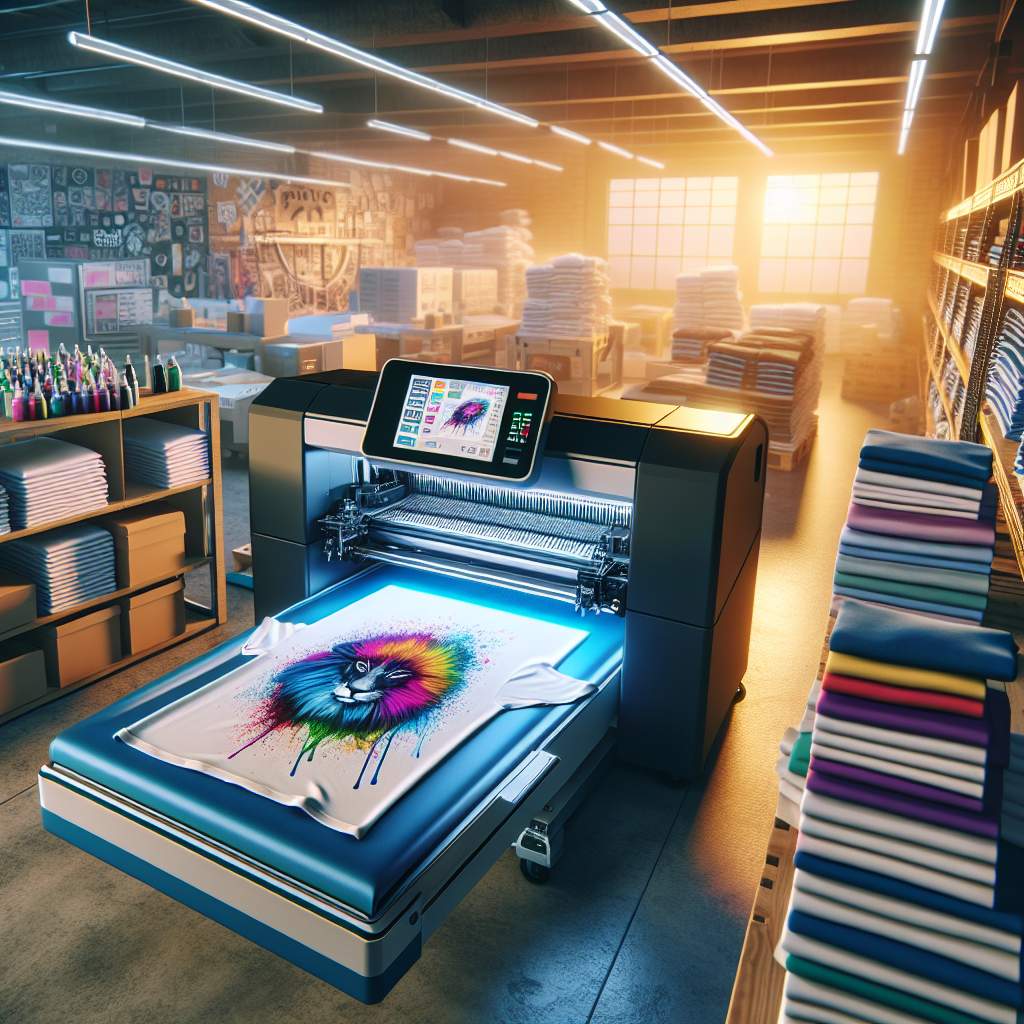
Traditionally, pre-treatment — the process of applying special chemicals to textiles to improve ink adhesion and color vibrancy — was a manual, labor-intensive task prone to inconsistency. Variations in application thickness and coverage could significantly impact the final print quality, leading to issues like color bleeding, poor detail reproduction, or uneven colors. Recognizing these challenges, manufacturers developed automated pre-treatment units that integrate seamlessly with DTG printers, offering a solution that combines precision, speed, and compatibility. These systems allow for uniform application of pre-treatment fluids across a variety of fabric types and thicknesses, ensuring each garment receives the same high standard of preparation required for professional-grade printing.
How Automated Pre-Treatment Units Enhance the DTG Printing Workflow
One of the most compelling advantages of incorporating automated pre-treatment units into your workflow is the significant efficiency boost. Manual pre-treatment often becomes a bottleneck, especially when handling large orders or complex designs. Automated systems eliminate variability and accelerate the process, enabling printers to process more garments in less time without sacrificing quality. The precise control over chemical quantities and application speed ensures consistent pre-treatment thickness, leading to predictable color vibrancy and durability in the final print. This streamlined process allows print shops to enhance throughput and meet tight deadlines, which is particularly vital in commercial settings.
Furthermore, these units are designed to integrate directly with DTG printers such as the A3 DTG printer. This integration means that garments can transition seamlessly from pre-treatment to printing without manual handling or repositioning, minimizing the risk of errors or contamination. Automated pre-treatment units often come with programmable settings, allowing operators to select precise application parameters customized for different fabric types or design requirements. This feature ensures that each print job is optimized for maximum quality while reducing waste and rework. Mirror the consistency of industrial production with the flexibility of small-scale operations — automated pre-treatment makes this possible.
Technological Features and Advancements
Modern automated pre-treatment systems boast a range of features designed to optimize performance and ease of use. Many units are equipped with sensors that monitor the chemical flow, ensuring uniform coverage even on complex or uneven textiles. Advanced models can automatically calibrate and adjust application parameters based on fabric thickness or softness, maintaining precise control every step of the way. Additionally, integration with workflow management software enables real-time tracking, automated scheduling, and better inventory control of pre-treatment chemicals. These technological advancements reduce human error, increase productivity, and contribute to a safer work environment by minimizing chemical exposure.
Environmental and Cost Benefits
Switching to automated pre-treatment units also offers environmental and economic benefits. Precise chemical dosing reduces waste, leading to lower material costs and less environmental impact. The automation process minimizes the use of excess chemicals, which not only saves money but also aligns with sustainable practices increasingly demanded by customers and regulators. Additionally, faster processing times mean decreased labor costs and quicker turnaround times, helping print shops remain competitive in a crowded marketplace. The reduction of manual handling also reduces the risk of worker fatigue and injury, fostering a safer workplace environment.
Implementation and Maintenance
Integrating automated pre-treatment units into your existing DTG workflow requires careful planning. Most systems are designed for compatibility with a variety of textile types and are straightforward to install alongside your existing printer, such as the highly capable A3 DTG printer. Regular maintenance is essential to keep these units functioning optimally, including cleaning nozzles, calibrating sensors, and replacing worn parts. Many manufacturers offer comprehensive support and training to ensure that your team can maximize the benefits of automation. Once operational, these systems can significantly reduce manual labor and improve overall production quality.
The Future of Digital Textile Printing
As the DtG printing landscape continues to evolve, automation will play an increasingly vital role. Innovations such as smart sensors, AI-driven process adjustments, and integrated workflow management will further enhance the capabilities of pre-treatment units. These advancements aim to make textile printing more sustainable, cost-effective, and accessible for print shops of all sizes. Embracing automated pre-treatment is not just a trend but a strategic move toward future-proofing your business against growing market demands for speed, quality, and eco-conscious practices. Companies that adopt these technologies early will likely have a competitive edge, delivering consistently superior products while optimizing operational efficiency.
Conclusion
Incorporating automated pre-treatment units into your DTG printing workflow signifies a significant leap toward operational excellence. The seamless integration, enhanced consistency, increased speed, and environmental benefits make these systems indispensable for modern textile and garment printing enterprises. As technology advances, these units will become even more sophisticated, driving the industry toward higher productivity and sustainability. Whether you operate a small custom print shop or a large commercial enterprise, investing in automation empowers you to meet market demands with confidence and precision. Ready to elevate your DTG printing process? Discover the capabilities of leading systems and see how they can transform your business today.















Leave a Comment