
The Ultimate 2026 Guide to Building a Custom Apparel Empire: Why a DTG Printer is Your Best Investment
31 mar.

Publicado por
0 Comentários
27 Visualizações
The Ultimate 2026 Guide to Building a Custom Apparel Empire: Why a DTG Printer is Your Best Investment The custom apparel industry is experiencing a massive renaissance. With the explosion of the creator economy, independent brands, influencers, and local businesses are no longer satisfied with generic, mass-produced clothing. Today’s consumers demand high-quality, personalized garments that reflect their unique identities. They want vibrant colors, complex gradients, and fabrics that feel soft to the touch. If you are an entrepreneur looking to tap into this multi-billion-dollar market, you have likely encountered two major roadblocks: the messy, high-volume requirements of traditional screen printing, and the razor-thin profit margins of third-party Print-On-Demand (POD) services. What is the solution? Bringing your production in-house. And in 2026, the undisputed king of in-house custom apparel production is the DTG Printer. In this comprehensive, 2000+ word ultimate guide, we will dive deep into everything you need to know about the modern T-shirt printing machine. We will explore how Direct-to-Garment technology actually works, break down the real-world economics and Return on Investment (ROI), compare it to other printing methods, and give you a step-by-step roadmap to launching your highly profitable custom t-shirt brand this month. Chapter 1: The Paradigm Shift in Custom Apparel To truly understand why the DTG printer has revolutionized the fashion and promotional products industry, we must briefly look at the history of garment decoration. For decades, Screen Printing was the only viable option for commercial t-shirt production. While excellent for printing 1,000 identical shirts for a corporate event, screen printing is a nightmare for modern e-commerce. It requires burning individual screens for every single color in a design, mixing messy plastisol inks, and demanding massive minimum order quantities (MOQs) just to break even. If a customer wants a single shirt with a full-color photograph, screen printing simply cannot do it profitably. Then came Heat Transfer Vinyl (HTV) and standard iron-on transfers. While these allowed for small batches, the results felt like a thick, heavy plastic sticker glued to the chest. They cracked, they peeled after a few washes, and they lacked the premium feel that modern customers are willing to pay top dollar for. Enter Direct-to-Garment (DTG) Printing. A modern DTG printer bridges the gap between digital freedom and industrial quality. It allows creators to print high-resolution, full-color images directly onto fabric in a matter of minutes, whether they are printing one single custom shirt or a batch of one hundred. There are no screens to burn, no color limitations, and no massive setups. You simply load the file, load the shirt, and press print. Chapter 2: What Exactly is a DTG Printer? (The Technology Explained) At its core, a DTG Printer (Direct-to-Garment printer) operates on the same fundamental principles as the inkjet printer sitting on your office desk—but on a much more sophisticated, industrial scale. Instead of printing on flat, non-porous paper, a DTG T-shirt printing machine is engineered to precisely deposit specialized, water-based textile inks deep into the woven fibers of garments (primarily 100% cotton or high-cotton blends). The Anatomy of a Commercial T-Shirt Printing Machine To produce retail-quality garments, a commercial DTG printer relies on several critical components: Industrial Printheads: Unlike standard desktop printers, commercial DTG machines use heavy-duty printheads (such as Epson’s advanced piezo-electric heads) capable of firing microscopic droplets of ink with extreme precision. This allows for photorealistic prints with resolutions up to 1440 dpi (dots per inch), ensuring smooth color gradients and razor-sharp text. Textile Inks (CMYK + White): DTG printers use specialized aqueous (water-based) inks that are eco-friendly and safe for apparel. The most crucial element is the White Ink. When printing on a dark or black t-shirt, the printer first lays down a solid layer of white ink as an underbase. Immediately after, it prints the Cyan, Magenta, Yellow, and Black (CMYK) colors on top of that white base, making the colors pop vibrantly against the dark fabric. The Platen System: This is the flat metal or acrylic board where you load the t-shirt. High-quality machines feature adjustable platens that hold the fabric perfectly taut and flat. If the fabric wrinkles or shifts even a millimeter during printing, the design will be ruined. White Ink Circulation: Because white ink contains heavy titanium dioxide pigments, it is prone to settling and clogging the printhead. Premium commercial machines feature automated continuous ink supply systems (CISS) with built-in stirrers and circulation pumps to keep the white ink perfectly mixed and flowing smoothly. The DTG Feel: The "Soft Hand" One of the biggest selling points of a DTG printer is the texture of the final product. Because the water-based ink is absorbed into the cotton fibers rather than sitting on top of them like a plastic layer, the print breathes with the fabric. In the industry, this is known as a "soft hand feel." When a customer touches a DTG-printed shirt, it feels premium, lightweight, and comfortable—identical to high-end graphic tees sold in luxury retail stores. Chapter 3: The Economics of In-House DTG vs. Print-On-Demand (POD) If you are currently running an apparel brand, you might be using third-party Print-On-Demand (POD) fulfillment services like Printful or Printify. While POD is a great way to test designs without upfront capital, it is a terrible long-term strategy if your goal is to build a highly profitable, scalable business. Let’s break down the real-world economics and look at why investing in your own T-shirt printing machine is the smartest financial move you can make. The Profit Margin Trap of POD When you use a POD service, you are essentially paying retail prices for wholesale production. Average cost of a premium POD printed black t-shirt: $16.00 to $19.00 (including shipping). Average retail selling price: $25.00 to $30.00. Your Net Profit: A mere $6.00 to $11.00 per shirt. From that tiny profit, you still have to deduct your Facebook/Google advertising costs, website hosting, and customer service time. Many POD business owners find themselves working 60-hour weeks just to break even, realizing they have built a business that primarily enriches the fulfillment company, not themselves. The High-Yield Returns of Owning a DTG Printer Now, let’s look at the numbers when you own the production equipment. Cost of a premium blank ring-spun cotton t-shirt (bought wholesale): $3.00 to $4.00. Cost of DTG ink and pretreatment liquid per shirt: $0.50 to $1.50 (depending on the size of the graphic and if it requires a white underbase). Total Production Cost: $3.50 to $5.50. Average retail selling price: $25.00 to $30.00. Your Net Profit: An incredible $19.50 to $26.50 per shirt! By printing in-house, you effectively triple or quadruple your profit margins. Furthermore, owning the machine gives you absolute quality control. You can ensure every print is perfectly aligned, the colors are accurate, and you can add personalized touches like custom neck tags, branded tissue paper, and thank-you notes in the packaging—elements that turn one-time buyers into fiercely loyal brand advocates. Chapter 4: The 4-Step DTG Workflow (How It Actually Works) Many beginners are intimidated by the prospect of operating commercial machinery. However, modern DTG printers are designed with user-friendly software and highly automated processes. Here is the exact workflow you will use to turn a blank digital file into a retail-ready garment. Step 1: Pretreatment (The Secret to Vibrant Colors) If you are printing on a dark-colored garment that requires white ink, you must first apply a pretreatment solution. This liquid acts as a primer, creating a chemical barrier on the cotton fibers. It stops the white ink from soaking completely into the fabric, allowing it to sit on the surface and create a bright, opaque foundation for your colors. You can apply pretreatment using a simple hand sprayer or an automated pretreatment machine. Once applied, you use a standard heat press for a few seconds to dry the liquid and flatten the garment fibers. Step 2: Prepare the Digital File Using the RIP (Raster Image Processor) software that comes with your printer, you load your PNG or TIFF image file. The software is remarkably intuitive. It allows you to position the artwork, adjust the color profiles, and automatically calculate exactly how much white ink underbase is needed based on the color of the shirt you are printing on. Step 3: Print and Marvel You load the pretreated t-shirt onto the printer's platen, ensuring it is flat and smooth. Press the start button. The machine’s laser sensors will automatically detect the height of the fabric to prevent printhead strikes. Within 2 to 3 minutes, the printer will lay down the white underbase and the vibrant CMYK colors in a single, fluid pass. Watching a commercial DTG printer bring a complex, full-color piece of art to life is truly a mesmerizing experience. Step 4: Curing the Ink Once the print is finished, the water-based ink is still wet. You carefully remove the shirt and place it under a heat press (hovering slightly above the print or pressing lightly with a protective parchment paper) or run it through a conveyor dryer for about 90 seconds. This heat application completely evaporates the water in the ink, permanently binding the pigment to the cotton fibers. The shirt is now completely washable, incredibly durable, and ready to be shipped to your customer. Chapter 5: Choosing the Right T-Shirt Printing Machine for Your Business If you search the market for a DTG printer, you will find machines ranging from cheap, heavily modified desktop paper printers to massive $250,000 industrial warehouse units. For the vast majority of entrepreneurs, small business owners, and growing apparel brands, the "sweet spot" is a commercial-grade A3 size DTG printer. It offers the perfect balance of professional print quality, industrial durability, and a footprint small enough to fit in a home office, garage, or small retail shop. When evaluating a machine, do not just look at the price tag. You must look at the features that guarantee reliability and low maintenance. Key Features to Demand in a DTG Printer: Professional Printheads: Ensure it uses reliable technology like Epson heads for high-speed, high-resolution output. Automated White Ink Stirring: As mentioned earlier, this is non-negotiable. Without it, you will spend hours dealing with clogged nozzles. Automatic Height Adjustment: This prevents the printhead from crashing into thick seams or hoodies, protecting your expensive hardware. Robust RIP Software: The hardware is only as good as the software driving it. It should manage colors accurately and calculate ink drop sizes intelligently. ? Our Top Recommendation for 2026 If you are ready to take control of your production, increase your profit margins, and deliver breathtaking quality to your customers, look no further than our flagship machine. We highly recommend exploring the A3 DTG Printer T-shirt Printing Machine. Engineered specifically for custom apparel businesses, this machine eliminates the headaches of traditional printing. It features ultra-high-resolution output capable of handling complex gradients and photorealistic images, an integrated white ink management system to ensure maximum uptime, and a robust build quality designed to handle continuous daily production. Whether you are printing on lightweight summer tees, heavy winter hoodies, or denim jackets, this T-shirt printing machine is the reliable workhorse your business needs to scale profitably. (Click the link above to view the full technical specifications, watch the machine in action, and see the incredible ROI breakdown for yourself.) Chapter 6: Pro Tips for Flawless DTG Production (Expert Advice) To ensure you hit the ground running and avoid the common mistakes made by beginners, keep these expert tips in mind once your new DTG printer arrives: 1. The Fabric Matters (Aim for 100% Ring-Spun Cotton) While DTG can print on blends (like 80% cotton / 20% polyester), you will achieve the absolute best, most vibrant results on 100% ring-spun or combed cotton. These fabrics have a tighter, smoother weave, providing a flatter "canvas" for the microscopic ink droplets. Brands like Bella+Canvas, Next Level, and Gildan Hammer are excellent choices. 2. Master Your Pretreatment Applying too much pretreatment makes the shirt stiff and can cause the print to flake off after washing. Applying too little means your white ink will sink into the shirt, making the final image look dull and muted. Practice on scrap fabric to find the perfect spray consistency for the specific brand of shirts you are using. 3. Maintain Climate Control Water-based textile inks hate dry air. If your workspace is too dry, the ink can dry out inside the microscopic nozzles of the printhead. Always keep your printing room at a comfortable temperature (around 65°F to 80°F) and maintain a relative humidity of 45% to 60%. A cheap room humidifier is the best investment you can make to protect your printer. 4. Never Skip the Daily Maintenance Modern machines like the GNFEI A3 DTG Printer have automated cleaning cycles, but human oversight is still required. Performing a simple 2-minute nozzle check every morning before printing, and gently wiping the wiper blade and capping station at the end of the week, will ensure your machine lasts for years and generates thousands of dollars in reliable income. Frequently Asked Questions (FAQ) About DTG Printing To round out this ultimate guide, let's answer some of the most common questions entrepreneurs have before investing in a T-shirt printing machine. Q: Can a DTG printer print on black shirts? A: Absolutely. This is the primary strength of a commercial DTG printer. By utilizing dedicated white ink channels, the machine prints a high-opacity white base layer exactly where the image goes, and then immediately prints the brilliant CMYK colors over it in a single pass. Q: How durable are DTG prints compared to screen printing? A: When properly pretreated and correctly cured with a heat press, DTG prints are incredibly durable. The ink bonds directly with the cotton fibers. The prints will easily withstand dozens of standard wash and dry cycles without cracking or excessive fading, matching or exceeding the lifespan of standard screen prints. Q: Do I need to be a graphic designer to use the software? A: Not at all. The Acro RIP software that controls the printer is extremely user-friendly. If you can save an image as a PNG with a transparent background in Photoshop, Canva, or Illustrator, you can drag and drop it into the print software. The software automatically handles the complex color separations and white ink calculations. Q: How fast can it print a shirt? A: Print speed depends on the size of the graphic and the resolution settings. A standard full-chest graphic on a dark shirt (requiring a white underbase and color pass) takes approximately 2 to 4 minutes on a high-quality A3 DTG printer. This allows a single operator to comfortably produce 15 to 25 premium shirts per hour. Conclusion: Stop Outsourcing Your Profits The era of relying on slow, expensive, and margin-eating third-party printing services is over. In 2026, the power of industrial apparel manufacturing can sit right on a workbench in your studio. Investing in a commercial DTG printer is no longer just a purchase; it is a strategic business acquisition that grants you total creative freedom, supreme quality control, and the ability to capture 100% of the retail profit margins. Whether you are launching a streetwear brand, supplying local businesses with uniforms, or creating custom merchandise for influencers, owning your own T-shirt printing machine is the key to unlocking true scalability. Stop dreaming about building an apparel empire, and start printing it. Equip your business with the right tools, master the simple workflow, and watch as your custom garments—and your profits—reach an entirely new level.

A4 DTG Printer - Máquina de impressão direta em vestuário para t-shirts personalizadasA A4 DTG Printer é uma máquina de impressão direta em vestuário ..
$0,00
Sem impostos:$0,00

Máquina de impressão para café - Impressão personalizada profissional em bebidasA máquina de impressão Coffee Printer é um dispositivo de nível profis..
$0,00
Sem impostos:$0,00
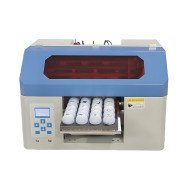
Impressora UV A4 Industrial F23V4 - Compacta e versátilA Impressora UV A4 Industrial F23V4 é uma impressora plana de pequeno formato concebida para se..
$0,00
Sem impostos:$0,00

Máquina de laminar eléctrica de uma face - Para autocolantes de cristal, álbuns fotográficos, etiquetas e muito maisEste laminador elétrico de uma fac..
$0,00
Sem impostos:$0,00

Impressora UV A2 Plus Size - Impressão brilhante em relevo de precisão em vários materiaisA impressora UV A2 Plus Size oferece uma solução profissiona..
$0,00
Sem impostos:$0,00

A Flower Printer é uma solução de impressão revolucionária, concebida especificamente para a indústria floral, que permite às empresas criar desenhos ..
$0,00
Sem impostos:$0,00

Impressora de café Smart Latte - Inovando a personalização de bebidas com tecnologia inteligenteA Smart Latte Coffee Printer traz tecnologia de ponta ..
$0,00
Sem impostos:$0,00
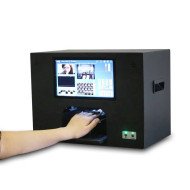
Máquina de impressão de unhas inteligente com ecrã tátilMáquina de impressão de unhas profissional com 3 anos de garantia Impressão de 5 unhas com com..
$0,00
Sem impostos:$0,00
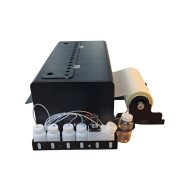
A máquina de impressão de t-shirts com impressora DTF de rolo A3 é uma solução de vanguarda para empresas que procuram criar vestuário e acessórios pe..
$0,00
Sem impostos:$0,00

Tinta pigmentada para têxteis (Tinta DTG) - Solução de impressão digital premium para têxteisVisão geral do produtoA tinta pigmentada para têxteis (DT..
$0,00
Sem impostos:$0,00

Impressora UV LED Spot A4 - Impressão de alta precisão em superfícies cilíndricas e curvasA impressora UV LED Spot A4 é uma solução de impressão versá..
$0,00
Sem impostos:$0,00

Impressora A3 DTG - Impressão direta no vestuário de alta qualidadeA impressora A3 DTG oferece uma solução profissional e eficiente para empresas que ..
$0,00
Sem impostos:$0,00

Impressora Cilíndrica A4 UV - Impressão personalizada em superfícies cilíndricas e curvasA Impressora Cilíndrica A4 UV foi concebida para proporcionar..
$0,00
Sem impostos:$0,00
Máquina de impressão para café - Impressão personalizada profissional em bebidasA máquina de impressão Coffee Printer é um dispositivo de nível profis..
$0,00
Sem impostos:$0,00
Impressora UV A2 Plus Size - Impressão brilhante em relevo de precisão em vários materiaisA impressora UV A2 Plus Size oferece uma solução profissiona..
$0,00
Sem impostos:$0,00
Impressora de café Smart Latte - Inovando a personalização de bebidas com tecnologia inteligenteA Smart Latte Coffee Printer traz tecnologia de ponta ..
$0,00
Sem impostos:$0,00

A máquina de impressão UV A3 Spot traz uma nova dimensão às suas possibilidades de impressão, oferecendo uma impressão direta na superfície de alta qu..
$0,00
Sem impostos:$0,00

Mini Coffee Printer - Impressão personalizada em café e bebidasA Mini Coffee Printer é uma solução única e inovadora para empresas que pretendem dar u..
$0,00
Sem impostos:$0,00

Tinta alimentar comestível - Solução de impressão premium para a arte culináriaA tinta para alimentos comestíveis GNFEI é uma tinta de qualidade alime..
$0,00
Sem impostos:$0,00

A impressora A3 Dual-System DTG & DTF é uma solução versátil e de elevado desempenho para empresas que procuram otimizar as suas operações de impressã..
$0,00
Sem impostos:$0,00