Why Your T-Shirt Printer Keeps Jamming and How to Fix It Without Spending a Fortune
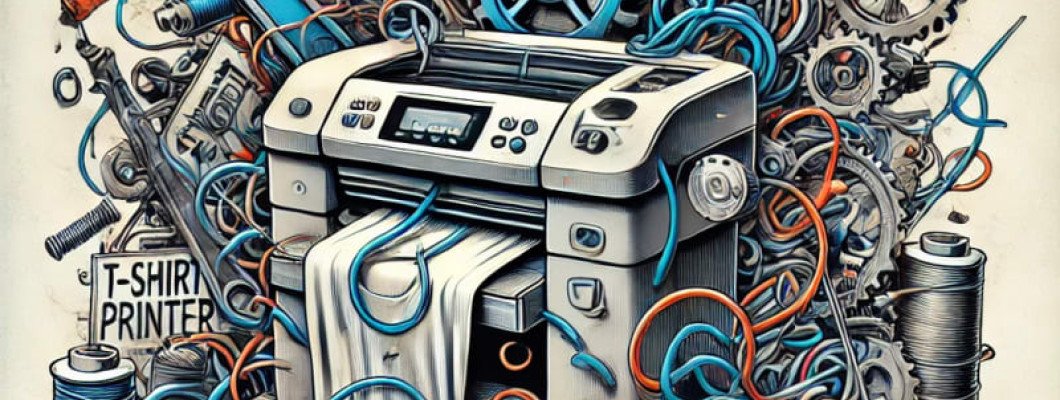
Understanding the Core Reasons Your T-Shirt Printer Keeps Jamming
Frequent jamming is a pervasive problem that can decimate productivity and fray nerves in any print shop. Unlike casual hobbyists’ frustrations, B2B buyers and printing factory owners confront systemic issues where downtime translates directly into lost revenue. The reality is that printer jams do not happen without mechanical, environmental, or operational triggers. Pinpointing these triggers accurately requires more than superficial troubleshooting. It demands insight into printhead mechanics, ink behavior, material interaction, and the print environment.
Mechanical Blockages and Printhead Issues
At the heart of most jams lies the printhead assembly. Critical components such as the nozzle plate and wiper blade are subject to ink residue buildup and dust accumulation. Over time, this disrupts the precise ejection of ink droplets causing partial clogging that manifests as paper or garment feed jams. For example, white ink in DTG or DTF printers often sediments quicker if not agitated regularly, raising the chances of nozzle blockage and mechanical resistance during garment feeding.
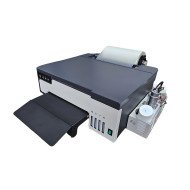
GNFEI's professional-grade printers offer integrated nozzle check systems that alert operators before a full jam occurs, but improper maintenance or ignoring these alerts results in cascading failures.
Material Feed and Tension Problems
The second common jam cause is faulty fabric feeding mechanisms. Garments like heavy cotton or mixed blends can become misaligned by inconsistent feed tension or poor roller grip. For instance, a damp or overly slick fabric may slip mid-feed, causing wrinkling that jams the machine. Moreover, some printing substrates react differently to feed pressure; silk or lightweight blends require calibrated roller force to prevent tension-related jams without sacrificing print registration.
Routine calibration of feeder pressure combined with substrate-specific roller replacement is recommended to maintain steady throughput.
Environmental and Ink Chemistry Influences
Humidity, temperature, and dust levels within the printing environment significantly affect ink viscosity and printhead performance. Elevated humidity accelerates ink drying inconsistencies, creating clogs and printhead drag. Conversely, low humidity can cause static build-up, leading to fabric sticks and jams. Ink chemistry also plays a pivotal role—cheap or incompatible inks are prone to particle agglomeration or premature curing inside nozzles, instigating repetitive jams.
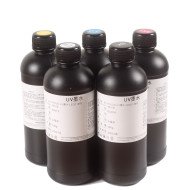
This is why GNFEI emphasizes the use of their verified ink formulations paired with their printers to ensure stability and reduce maintenance frequency.
Step-by-Step Practical Solutions to Eliminate Printer Jams
Quick fixes won’t suffice here. The solution lies in a structured maintenance routine paired with real-time monitoring.
Routine Printhead Cleaning and Inspection
- Daily: Execute a 5-minute nozzle check and clean cycle using manufacturer-approved cleaning solutions to prevent white ink sedimentation and pigment buildup.
- Weekly: Remove the printhead carefully, inspect for microscopic clogging under magnification, and perform ultrasonic cleaning if necessary. Pay special attention to the wiper blade for wear signs.
- Monthly: Replace the wiper blade and filters to minimize redispersion of dried ink particles;
Repeat these steps systematically to maintain printhead health, substantially cutting down on jam incidents.
Optimized Fabric Handling Procedures
- Calibrate fabric feed rollers according to specific substrate requirements, adjusting pressure between 15-25 N/cm depending on fabric weight.
- Pre-condition garments by ensuring they are moisture balanced—neither damp nor statically charged.
- Train operators to inspect for folds or inconsistencies before feeding to avoid mechanical obstruction.
Environmental Controls and Ink Management
- Maintain workshop humidity around 45-60% using industrial dehumidifiers or humidifiers.
- Keep ambient temperature stable between 20-25°C to avoid abrupt viscosity changes.
- Use genuine GNFEI ink products with verified chemical compatibility to reduce nozzle clogs and premature drying.
A Deep Dive into Ink Behavior: White Ink Sedimentation and Prevention Techniques
Why White Ink Causes More Jams
White ink is fundamentally different from CMYK because it usually contains titanium dioxide pigment, which tends to settle rapidly when idle. This leads to inconsistent flow and increased nozzle blockage. For UV and DTG printers, sedimentation rates can spike by as much as 30% within 24 hours without agitation.
Effective Circulation and Agitation Systems
GNFEI printers incorporate recirculation pumps that continuously cycle white ink through the system to prevent sediment buildup. Operators must ensure these pumps function uninterrupted, and ink tanks are refilled promptly to avoid air bubbles entering the system.
Manual vs Automated Cleaning: What Works Best?
While automated cleaning is convenient, manual intervention remains indispensable. Periodic deep cleaning using ultrasonic baths and manual nozzle flushes significantly extend printhead lifespan and reduce jam occurrences. Adopting a hybrid approach blending GNFEI’s automated cycles with scheduled manual maintenance yields the lowest downtime in practice.
ROI Calculations: Balancing Cost and Operational Efficiency
Ink Consumption and Cost Breakdown
Consider an average DTG or DTF printer running a 40mL/hour ink consumption rate. At an industry-standard cost of $250 per liter for high-quality white ink from GNFEI, ink costs translate to approximately $10 per hour excluding other process costs. In contrast, poor printhead maintenance increases ink waste by up to 20%, escalating costs to $12/hour.
Impact of Downtime on Profit Margins
Downtime resulting from jams can easily consume 30-45 minutes of repair per incident. For a shop charging $500 per print run, three jams weekly erode $750 per week, or nearly $39,000 annually when accounting for lost output and extra labor.
Cost-Benefit Analysis of Preventive Maintenance vs Reactive Repair
Investing roughly $1,200 annually in spare parts, cleaning supplies, and labor for preventive maintenance can halve unexpected breakdown-related losses. This improves overall ROI by stabilizing production and extending equipment life. Pragmatic buyers should prioritize these preventive workflows to maximize printer utilization.
Comparative Analysis of Different Textile Substrates and Their Effects on Printer Jams
100% Cotton vs Blended Fabrics
Pure cotton offers excellent ink absorption and consistency but tends to swell during print curing, which can misalign fabric feed and induce jams if roller pressure is not adjusted. Mixed fabrics with polyester blends often require different curing speeds and temperature settings; improper configuration leads to jerked feeding and increased wrinkling.
Specialty Materials: Silk, Nylon, and Polypropylene
Synthetic textiles like nylon and polypropylene present challenges due to their smooth surfaces and heat sensitivity. Clamping mechanisms must hold but not damage these delicate materials, or risk jamming due to fabric slippage or premature wrinkling under heat.
Printing on Non-Textile Substrates (Glass, Metal)
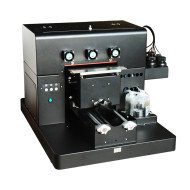
For custom merchandise beyond textiles, adhesion and curing times vary drastically. These differ from fabrics because of different surface energies, which can cause ink pooling or dry unevenly, jamming printheads with premature curing. UV printers from GNFEI are optimized for multi-substrate use but require tailored drying settings and frequent head-clean cycles to maintain uptime.
Professional Insights from GNFEI on Avoiding Future Jams
Training and Operator Skill Development
Even the best hardware fails without trained operators. Investing in staff training builds intuition for early jam signs, proper loading, and maintenance best practices. GNFEI provides comprehensive on-site and remote learning modules designed for B2B customers to accelerate skill mastery.
Real-Time Monitoring and Software Optimization
Integrating diagnostic software that monitors printhead health, substrate movement, and ink flow dynamically helps nip jams in the bud. GNFEI’s proprietary software suite alerts users with predictive analytics rather than reactive alarms, improving workflow continuity.
Choosing the Right Printer for Your Business Needs
Not all printers are suited for the same workload or substrates. Selecting a printer compatible with your substrates and volume demands reduces strain on mechanics and lowers jam frequency. GNFEI’s product line spans UV, DTG, and DTF models calibrated for distinct commercial uses, enabling more sustainable operation.