Why Your DTG T Shirt Printer Machine Could Be a Money Pit if You Ignore Maintenance
Why Your DTG T Shirt Printer Machine Could Be a Money Pit if You Ignore Maintenance
The rise of the Direct-to-Garment (DTG) printing industry has brought immense opportunities for businesses looking to scale customized apparel production. The ability to reproduce intricate designs with precision and vibrancy on cotton garments is a game-changer. A dtg t shirt printer machine makes this process seamless, offering scalability and flexibility that traditional methods like screen printing lack. However, neglecting the proper maintenance of your equipment could easily turn your investment into a costly liability. In this guide, we’ll explore everything you need to know about maintaining your DTG t shirt printer machine to ensure optimal performance, longevity, and profitability.
Understanding the Core Components of a DTG T Shirt Printer Machine
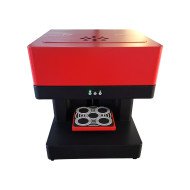
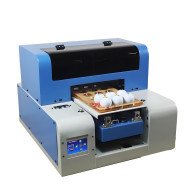
A typical DTG t shirt printer machine consists of several critical components that work together to deliver superior print quality. Here’s a breakdown:
- Print Head: The heart of your machine, responsible for transferring ink directly onto the garment. It requires regular cleaning to prevent clogging and ensure crisp prints.
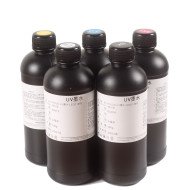
- Ink Supply System: Incorporates the reservoirs and tubing that transport ink to the print head. Choosing high-quality, compatible ink and keeping the system clean can make a huge difference in output quality.
- Platen: The surface on which the garment is placed during printing. Proper alignment and maintenance of the platen are crucial for precision and consistency.
- Built-In Firmware: The software that controls the DTG printer. Keeping firmware updated ensures that the printer performs optimally and stays in sync with new ink formulations and printing processes.
Each of these components plays an essential role in the overall functionality of your machine, and neglecting even one can lead to downtime, increased costs, and inferior product quality.
Common Maintenance Mistakes That Can Cost You Thousands
If improperly managed, a DTG t shirt printer machine can quickly become a financial burden. Here are some of the most common maintenance mistakes and how to avoid them:
1. Ignoring Regular Print Head Cleanings
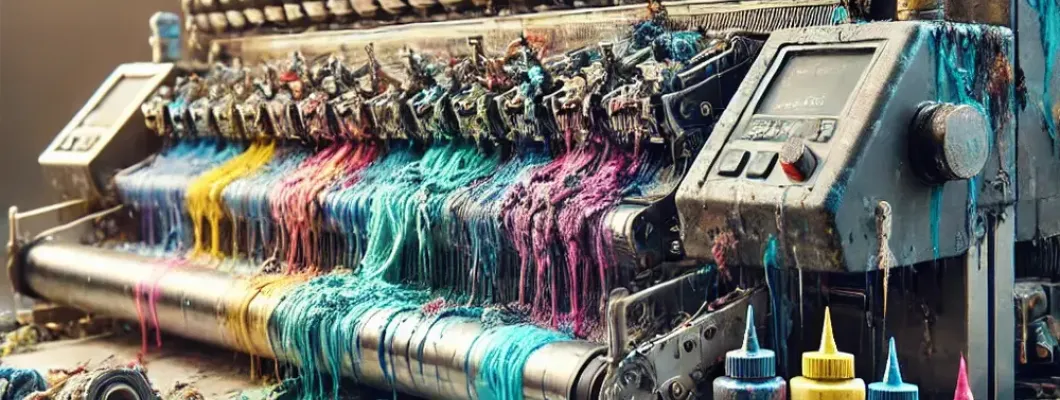
One of the most frequent causes of printer downtime is a clogged print head. Since DTG printers use water-based inks, they are more prone to drying out and causing blockages in the tiny nozzles. To avoid this:
- Run a daily maintenance cycle, even on days when the printer is not in use.
- Use the machine’s built-in cleaning function to keep nozzles clear.
- Always use manufacturer-recommended cleaning solutions and never substitute with harsher chemicals.
2. Skipping Regular Ink Line Flushing
Over time, residual ink can build up in the delivery tubes, leading to inconsistent color output and eventual system failure. Regular flushing of the ink lines ensures a clean flow, reducing the risk of clogs and preserving print quality. Most machines have an automated option for this, or you can manually follow manufacturer procedures.
3. Using Substandard or Incompatible Inks
While it may be tempting to cut costs by buying cheaper, third-party inks, this can lead to long-term damage to your DTG t shirt printer machine. Poor-quality ink may cause clogs, reduce the vibrancy of prints, and even damage the print heads. Opt for OEM (original equipment manufacturer) inks or premium third-party products recommended by your DTG machine's manufacturer.
Why Maintenance of Your DTG T Shirt Printer Machine Should Be Proactive
Instead of waiting for breakdowns, proactive maintenance ensures your machine runs efficiently year-round. A well-maintained DTG printer not only minimizes downtime but also maximizes your return on investment (ROI). Here’s how:
- Reduced Repair Costs: Addressing minor issues before they escalate can save you the cost of full component replacement.
- Consistent Print Quality: Staying on top of maintenance ensures output remains consistent, supporting brand reputation and customer satisfaction.
- Machine Longevity: Routine care and preventive measures can extend the life of your DTG printer by years.
For a detailed checklist of maintenance procedures and schedules, consult your printer’s manual or reach out to GNFEI Technology experts for support and guidance.
The High Cost of Neglecting Your DTG T Shirt Printer Machine
Neglecting maintenance not only depletes the lifespan of your DTG t shirt printer machine but also leads to penalties in various forms. Here’s a risk breakdown:
1. Increased Downtime
When a machine is down, production halts, resulting in delivery delays and potential loss of revenue. Scheduled maintenance mitigates this risk by catching problems before they result in catastrophic failures.
2. Waste of Consumables
Poorly maintained machines often waste ink, cleaning solutions, and pretreatments. This waste creates unnecessary expenses and impacts profitability.
3. Damage to Brand Reputation
If your machine produces inconsistent prints or fails to meet deadlines due to breakdowns, your customers may seek more reliable service providers. Maintaining a consistent output not only protects your margins but also strengthens your credibility in the market.
Expert Advice on Maximizing ROI from Your DTG T Shirt Printer Machine
At GNFEI Technology, we’ve observed that successful DTG printing businesses focus on not just acquiring high-performance machines but also optimizing workflows and maintaining machines properly. Here are the key takeaways:
- Establish a maintenance routine that includes daily nozzle checks, weekly platen inspections, and monthly firmware updates.
- Invest in high-quality consumables compatible with your specific DTG t shirt printer machine model.
- Train your team on proper machine handling and maintenance procedures to prevent accidental damage.
- Leverage GNFEI Technology’s support resources to tackle technical challenges quickly and effectively.
By taking these steps, your DTG t shirt printer machine will remain a reliable asset rather than a costly liability, enabling you to scale up production without fear of downtime or equipment failure.