Why Your DTG Printer Keeps Clogging and How to Fix It Once and For All
Understanding the Root Causes of DTG Printer Clogging
Ink Chemistry and Its Role in Printhead Blockages
Many operators overlook that the actual makeup of DTG ink dramatically affects clogging frequency. White and pigmented inks, especially those containing heavier particulates, tend to settle quickly and cause nozzle buildup if not agitated properly. Standard aqueous-based DTG inks require exact viscosity and surface tension ranges. When these parameters shift, either through evaporation or improper storage, the ink can thicken or foam, increasing the risk of clogging. Operators should verify ink batch consistency and avoid generic substitutes. Manufacturers like GNFEI emphasize the importance of using certified inks tailored to printer specifications.
Printhead Technology Limitations and Wear Patterns
The advanced piezoelectric or thermal printheads inside DTG machines have microscopic nozzles ranging from 20 to 50 microns in diameter. These apertures are prone to clog when exposed to residual ink that is not purged regularly. Continuous mechanical stress, drying cycles, and environmental dust also contribute to nozzle contraction over time. Some printheads degrade internally due to repeated chemical exposure, reducing precision ejection. Understanding the expected lifespan—usually between 2,000 and 5,000 hours depending on usage—is essential. Premature clogging often signals a mismatch between ink chemistry and printhead tolerance.
Environmental Factors Influencing Printer Performance
Room temperature, humidity, and airflow play underestimated roles in clog formation. Hot, dry conditions accelerate ink drying inside nozzles, while cool, damp environments can cause condensation, leading to inconsistent ink flow and bacterial growth. Operators neglecting clean, temperature-controlled rooms suffer higher maintenance demands. GNFEI’s technical teams recommend maintaining ambient temperatures between 20 °C and 25 °C and relative humidity from 40% to 60% to stabilize ink fluidity and prevent premature drying.
Step-by-Step Practical Troubleshooting and Maintenance Protocols
Daily Printhead Cleaning Regimen
Establishing a rigorous daily cleaning routine is non-negotiable. A proven approach involves running a nozzle check at the start of every shift to detect partial clogging. Immediate intervention can prevent ink residue from hardening. The recommended procedure includes:
- Executing an automated cleaning cycle through the printer's control panel;
- If nozzle misses persist, applying a manual cleaning with a lint-free swab soaked in a specially-formulated printhead cleaner approved by your ink supplier;
- Performing a second automated purge after manual cleaning to flush loosened deposits;
- Recording all maintenance activities to track recurring issues for future analysis.
GNFEI’s research shows that a systematic cleaning strategy reduces unplanned downtime by up to 35% over three months.
Weekly White Ink Circulation and Sediment Management
White ink sedimentation is a hallmark challenge in DTG systems. Incorporate weekly stirring or circulation cycles as follows:
- Shake the white ink cartridges slowly but thoroughly before installation;
- Activate the printhead caps to prevent white ink drying when the printer is idle;
- Run a specifically designed ink circulation program embedded in most advanced printers, ensuring particulate resuspension;
- For printers without built-in stirring mechanisms, physically remove cartridges and gently invert them prior to printing runs.
Addressing white ink sediment flux directly reduces clogs by up to 50%, particularly in high-use environments.
Monthly Deep Printhead Soaking and Inspection
Beyond immediate cleaning, a planned monthly soak can dissolve deeper deposits lodged inside nozzles. The process requires:
- Removing cartridges and printhead assemblies as recommended;
- Soaking these components in a proprietary cleaning solution supplied by trusted providers like GNFEI for 15–30 minutes;
- Lightly brushing nozzle faces with soft brushes designed for electronics;
- Reinstalling parts and running multiple purge cycles before resuming production.
Regular soaking extends the service life of printheads and prevents irreversible physical damage.
Analyzing the Cost-Benefit: ROI of Maintenance Versus Printhead Replacement
Ink Consumption and Cost Per Garment Calculation
Consider a mid-range DTG printer consuming about 6 ml of ink per T-shirt, with ink priced at roughly $200 per liter for high-quality white and $150 per liter for color variants. This translates to $1.20 per shirt solely on ink. Inefficient nozzle operation can increase consumption by 10-15% due to purge cycles and restart processes, inflating ink cost to approximately $1.38 per shirt. Regular maintenance prevents excessive wastage, effectively saving $0.18 per garment.
Printhead Lifetime Cost Impact
A typical OEM DTG printhead can cost anywhere from $500 to $1,200, with an expected operational lifetime around 3,000 hours before significant performance degradation. Downtime for replacement usually means lost production revenue. For businesses printing 100 shirts a day, the cost of an unplanned printhead failure can exceed $1,000 when factoring downtime and labor. Preventive maintenance reduces the risk of premature failure by 40%, indirectly protecting these revenues.
Labor Investment versus Mechanical Costs
Maintenance labor involves roughly 30 minutes per week for professional cleaning and inspections, with technician wages averaging $25/hour in most markets. This $12.50 weekly investment smooths operation and reduces expensive repairs. Consider this an insurance cost with tangible payback via improved uptime and print quality.
Material-Specific Print Adhesion and Drying Behavior
Comparison Between Pure Cotton and Cotton-Polyester Blends
Ink adhesion and drying times vary significantly based on fabric composition. Pure cotton achieves superior ink uptake due to its porous, hydrophilic fibers, but tends to retain moisture longer, increasing the risk of drying-related clogging during longer print cycles. Blended fabrics, with synthetic fibers, demonstrate faster drying but reduced vibrancy and slightly higher ink wastage. Optimizing curing temperatures and adjusting print speed accordingly can mitigate these issues.
Impact of Fabric Color and Pretreatment on Printhead Stress
Darker textiles require heavier white ink layers, which accelerate sediment buildup and clogging risk. Proper pretreatment application, typically with chemical adhesion promoters, influences ink absorption and print quality but can leave residues in the printheads if oversaturated during single-pass operations. Calibrating pretreatment levels precisely for each batch and material type is critical to reduce nozzle contamination.
Print Durability and Chemical Resistance on Various Materials
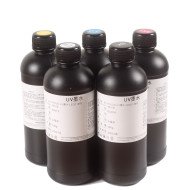
Testing on glass, metal, and synthetic materials reveals that durability depends on curing techniques and ink-pigment composition. Unlike textiles, these substrates benefit from UV-curable inks to prevent clogging and ensure adhesion. While DTG printers generally don’t use these materials, customized setups integrating UV modules exist, demanding adjusted maintenance protocols from operators.
Integrating Best Practices with GNFEI’s Expertise
Consulting on Tailored Maintenance Plans
GNFEI, a leader in supplying high-quality, reliable printing equipment worldwide, advises clients to adopt customized maintenance schedules aligned with their production volume and environmental conditions. Their experts analyze data logs to provide actionable insights, ensuring no over-maintenance or neglect.
Balanced Advice on Printer and Ink Pairing
GNFEI underscores that using printer-compatible inks and consumables, even at a slightly higher initial price, saves operators from costly downtime and printhead loss. They provide next-generation intake materials and firmware updates that fine-tune nozzle firing to minimize clog incidence.
Training and After-Sales Support as a Preventative Strategy
Establishing a trained in-house maintenance team reduces dependency on external technicians and accelerates problem resolution. GNFEI offers comprehensive training modules designed to equip operators with both theoretical knowledge and hands-on skills to manage clogging challenges effectively.
Continuous Improvement and Technology Evolution
Emerging Ink Formulations Tackling Sediment Issues
Ink manufacturers increasingly experiment with nanoparticle-based and polymer-encapsulated pigments to reduce sedimentation that causes DTG printhead clogging. These innovative fluids demand refined nozzle heating and vibration protocols, which manufacturers like GNFEI integrate into their latest printer lines.
AI-Driven Printhead Health Monitoring
Cutting-edge models now incorporate sensors and software algorithms that detect early signs of nozzle blockage by analyzing electrical resistance and flow patterns. Timely alerts can prompt preemptive cleaning, preventing downtime and extending printhead lifespan.
Hybrid Printing Technologies and Their Maintenance Advantages
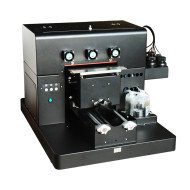
Combining UV curing with DTG's direct inkjet methods opens new doors for printing on diverse substrates with minimized clog risks. Although hybrid systems require complex maintenance, they offer flexibility for print shops expanding product portfolios beyond textiles.