
Why Transfer-Based Custom Graphics Are Gaining Popularity in Short-Run Production

Are you struggling to find efficient, cost-effective ways to produce custom graphics for short-run projects? If so, you're not alone. Many manufacturers and designers are turning to transfer-based custom graphics to meet their growing demands. But what exactly makes these methods so popular today, and why should you consider integrating them into your production line? Let"s explore how transfer-based custom graphics are reshaping short-run manufacturing and why this trend is here to stay.
Understanding Transfer-Based Custom Graphics
Transfer-based custom graphics refer to a set of printing techniques where designs are created on one surface and then transferred onto a final product. This process typically involves special films, inks, and transfer papers that ensure high-quality, durable images. Unlike traditional direct printing methods, transfer techniques allow for more flexibility, faster turnaround times, and better color fidelity, especially in small production runs.
The Rise in Popularity: Why Manufacturers and Designers Are Turning to Transfer Graphics
In the fast-paced world of manufacturing, short-run production is increasingly common. Whether for custom apparel, promotional items, or personalized packaging, the ability to produce smaller quantities quickly and cost-effectively is essential. Transfer-based custom graphics tick all these boxes, which explains their rising popularity.
Advantages that Make Transfer-Based Graphics a Game Changer
- Quick Turnaround: Transfer methods significantly cut down production time. Once the design is printed on transfer media, it can be applied swiftly, reducing delays.
- High-Quality Finish: These techniques produce vibrant colors and sharp images, matching or exceeding traditional screen printing in many cases.
- Cost-Effective for Small Batches: Unlike conventional methods that require elaborate setups, transfer printing is affordable for short runs, making it ideal for prototypes or limited editions.
- Flexibility in Material Use: Transfer graphics are compatible with various substrates like fabrics, plastics, ceramics, or metals, broadening the scope of application.
- Ease of Customization: Personalization becomes straightforward since designs can be easily altered without significant setup costs.
Applications Across Industries
Transfer-based custom graphics aren"t limited to one niche. Their versatility sees them widely used across multiple fields:
- Apparel and fashion brands use transfer techniques for limited-edition clothing and accessories.
- Corporate promotional products, like mugs and keychains, benefit from detailed designs with vibrant colors.
- Personalized gifts and crafts leverage transfer methods for quick customization.
- Packaging solutions employ transfer graphics for branding with high visual impact.
- Interior decor items, including tiles and wall panels, integrate transfer graphics seamlessly.
Implementing Transfer Graphics in Your Production Line
If you're convinced that transfer-based custom graphics could benefit your business, here are some steps to get started:
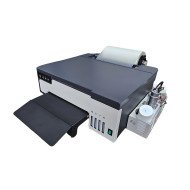
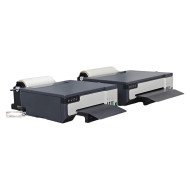
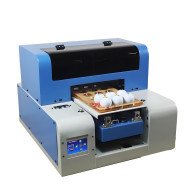
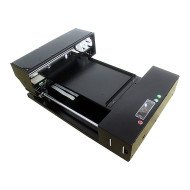
- Choose the Right Equipment: Invest in quality transfer printing machines, like the A4 UV DTF Printing Machine, to ensure consistent results.
- Source High-Quality Materials: Use durable transfer films, inks, and papers compatible with your chosen substrates.
- Develop Custom Designs: Use graphic design software to create versatile designs suitable for transfer printing.
- Optimize the Workflow: Establish a streamlined process from printing to transfer application to minimize errors and maximize efficiency.
- Train Your Team: Proper training on operation and maintenance of transfer equipment ensures high-quality output and prolongs the lifespan of your tools.
The Future of Short-Run Production with Transfer Graphics
As industry trends lean towards customization and rapid production, transfer-based custom graphics will become even more vital. Advances in ink formulations, transfer media, and printing technology will continue improving quality and speed. For businesses aiming to stay competitive, adopting transfer methods isn"t just an option but a necessity.
Imagine chatting with a friend who runs a small apparel brand. She shares how switching to transfer-based graphics allowed her to fulfill customer orders faster without sacrificing quality. That kind of flexibility is increasingly what today"s market demands.
FAQs
1. How durable are transfer-based custom graphics?
Modern transfer graphics are highly durable, resistant to washing, scratching, and UV exposure when applied correctly.
2. Can transfer graphics be used on any substrate?
They work well on a variety of materials like fabric, plastic, ceramics, and metal. Confirm compatibility with your specific substrate before use.
3. Is transfer printing suitable for large production runs?
While transfer-based methods excel in small to medium runs, high-volume production might require other methods like screen printing for cost efficiency.
4. What are the main costs involved in implementing transfer graphics?
Initial investment includes equipment, transfer media, and training. Over time, costs decrease, especially for short runs, due to reduced setup expenses.
5. How do transfer-based graphics compare with direct-to-garment (DTG) printing?
Transfer methods often have faster setup and are more versatile on various substrates. DTG delivers excellent print quality on textiles but can be slower for small batches.













Leave a Comment