
Why Running a DTG Printer Daily Changes the Way Brands Plan Collections
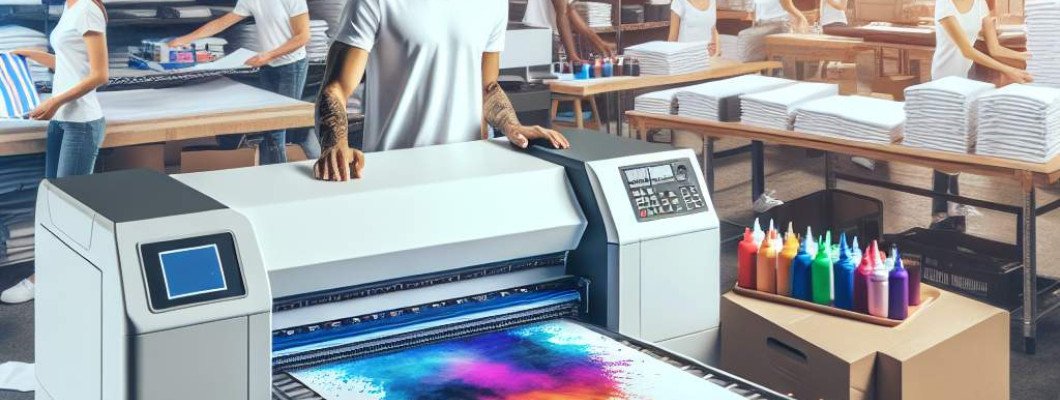
Are you struggling to stay ahead in the competitive apparel market? Do you wonder how brands can consistently deliver fresh, high-quality collections without sacrificing speed or flexibility? The secret might be simpler than you think — it all begins with running a DTG (Direct-to-Garment) printer daily. This routine practice is transforming how brands plan, manufacture, and launch their collections. If you"re eyeing how to optimize your printing process for faster, more customizable outputs, understanding the impact of daily DTG operation is essential.
When I first started speaking with small apparel brands, many of them hesitated to print regularly. They worried about ink costs, machine maintenance, or downtime, which often led to delays in fulfilling orders or launching new collections. But once they embraced the habit of daily printing, a shift occurred. Their planning became more dynamic, and their ability to respond quickly to market trends improved significantly. This isn"t just anecdotal — there"s real science and strategy behind why running a DTG printer every day changes everything.
How Daily Use of a DTG Printer Revolutionizes Collection Planning
Running a DTG printer daily offers a level of agility difficult to match with traditional printing methods or batch production. It allows brands to move from rigid batch cycles toward a more fluid, Just-In-Time approach. Here are the core benefits:
- Faster Turnaround Times: Daily printing ensures that new designs can be produced on demand, reducing lead times from weeks to days or even hours. This means you can respond swiftly to trending designs or customer requests.
- Reduced Inventory Risk: Frequent, incremental production minimizes the need for large stockpiles of pre-printed inventory, lowering storage costs and decreasing unsold stock risks.
- Enhanced Flexibility: With a ready-to-print setup, brands can seamlessly update collections, switch designs, or customize garments for individual clients without delays.
- Consistent Quality Assurance: Regular usage keeps the printer in optimal condition and allows for ongoing calibration, maintaining print quality and color consistency across collections.
Implementing a Daily Printing Routine: Practical Strategies
Establishing a daily printing habit might seem challenging at first, especially for smaller teams. But to truly capitalize on the benefits, you need a structured approach:
- Plan Your Designs in Advance: Allocate time for design preparation and file setup the day before. Use software that streamlines the process and allows quick adjustments.
- Schedule Regular Maintenance: Keep your DTG printer in top condition with daily cleaning protocols. This prevents breakdowns and preserves print quality.
- Set a Consistent Workflow: Develop routines for loading garments, printing, curing, and packing. Efficiency here directly impacts output speed.
- Stock Basic Supplies: Maintain a ready supply of blank garments, inks, and maintenance parts to avoid interruptions.
- Leverage On-Demand Production: Promote customizable or limited-run collections that capitalize on quick printing capabilities, catering to specific customer needs or regional trends.
Real-World Example: From Concept to Collection in Days
Imagine a small streetwear brand that wants to release a limited-edition T-shirt inspired by a trending news story. Instead of waiting for a bulk order to arrive from a traditional manufacturer, they design, print, and prepare the collection in just 48 hours, all thanks to their daily DTG printing routine. They"re able to test the market's response quickly, adjust designs if needed, and launch a timely promotion. This level of agility is a game-changer for brands aiming to stay relevant and responsive.
Why the Right DTG Printer Matters
Of course, working with a reliable, high-quality DTG printer is crucial. It ensures consistent results, faster setup times, and reduced maintenance hassles, which are all essential for daily operation. To get started or upgrade your setup, consider a machine from a trusted provider like GNFEI. Their models are designed for efficiency and durability, making daily printing a practical reality for growing brands.
Key Tips for Maximizing Your DTG Printer"s Potential Daily
- Use High-Quality Ink: To ensure vibrant prints and reduce press downtime, invest in reliable inks compatible with your printer model.
- Calibrate Regularly: Daily calibration maintains color accuracy and prevents print defects, saving time and material costs.
- Optimize Your Designs: Keep files simple and suited to DTG printing capabilities for faster processing and less ink wastage.
- Train Your Team: Proper training in daily operation and troubleshooting minimizes delays and maintains workflow consistency.
FAQs About Running a DTG Printer Daily
1. How does daily printing improve a brand"s workflow?
It streamlines production, reduces backlog, and enables rapid iteration of designs, making your brand more agile and market-responsive.
2. Is it cost-effective to operate a DTG printer daily?
Yes, especially when considering higher sales volume, reduced inventory costs, and the ability to capitalize on trends quickly.
3. What maintenance is required for daily printing?
Regular cleaning, calibration, and ink management are key. Most machines have straightforward routines to keep production smooth.
4. Can small brands benefit from daily DTG printing?
Absolutely. It allows small teams to compete with larger manufacturers by offering fast, customized collections without large upfront investments.
5. How does continuous operation impact print quality?
With proper maintenance, daily use can actually improve consistency by keeping the machine in optimal working condition and preventing long periods of inactivity that can cause quality drift.
Running a DTG printer daily is a strategic move for brands eager to innovate, cut time-to-market, and meet customer demands dynamically. By integrating a routine operation schedule, your brand can unlock new levels of flexibility and efficiency—making collection planning smarter and more responsive than ever before.














Leave a Comment