
Why Retailers Are Bringing UV Printer Customization In-House
Why Retailers Are Bringing UV Printer Customization In-House
Are you tired of long wait times for custom products? Struggling to keep up with customer demand for personalized branding? If so, you're not alone. More retailers are discovering the benefits of bringing UV printer customization in-house, transforming how they deliver tailored products. This shift isn't just about keeping up — it's about getting ahead in a competitive market where instant, high-quality personalization can make all the difference.
Imagine chatting with a fellow business owner who used to outsource all printing jobs. She spent days waiting for her supplier to deliver, which delayed her marketing campaigns and frustrated her customers. Then she invested in a UV printer for her retail shop. The results? Quicker turnaround, lower costs, and a boost in customer satisfaction. That"s the power of in-house UV printing, offering retailers the independence to create, customize, and deliver on their schedule.
What Is UV Printer Customization and Why Is It a Game-Changer for Retailers?
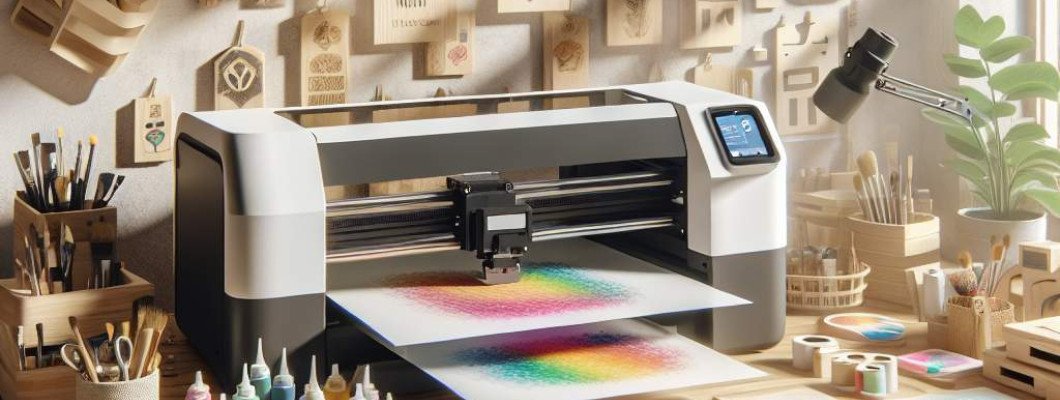
UV printing technology involves applying ultraviolet light to cure ink instantly onto various surfaces. This allows for printing on non-traditional items like plastic, glass, wood, and even textiles with crisp, vibrant results. Bringing UV printer customization in-house means retailers can produce personalized products on demand — from branded packaging to unique displays.
The advantages are clear:
- Faster Turnaround: Minimize delays by printing items in-house rather than outsourcing. Respond to customer orders immediately and keep up with fast-paced retail environments.
- Cost Savings: Reduce dependency on third-party providers, eliminate extra shipping costs, and control your own production process.
- Enhanced Customization: Offer personalized products tailored to each customer"s needs, increasing engagement and loyalty.
- Higher Profit Margins: Sell customized items at premium prices without the added overhead of external printing services.
How Retailers Are Leveraging UV Printers for Success
Many forward-thinking retailers are integrating UV printing into their core operations. For example, a boutique gift shop started printing custom labels and decorative items directly in-store, cutting production time from weeks to days. Similarly, a promotional product company now offers on-the-spot branding for events and corporate gifts, which sets them apart from competitors.
Another success story comes from a retail chain that installed a UV printer to produce bespoke signage and displays on-site. This not only sped up their merchandising process but allowed for dynamic updates tailored to seasons and campaigns. The flexibility UV printers offer makes them invaluable for retailers wanting to stay current and relevant.
The Technology Behind UV Printer Customization in Retail
Modern UV printers combine advanced digital printing with high-precision UV curing features. The key benefits include:
- Ability to print on a wide variety of substrates, expanding product options.
- High-resolution printing for detailed logos and artwork.
- Quick-drying inks that reduce production time significantly.
- Durability of prints, making them resistant to scratching and fading.
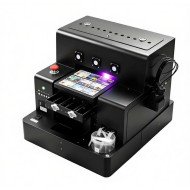
For retailers considering this investment, choosing the right UV printing machine is crucial. Look for models with user-friendly interfaces, reliable ink systems, and support for multiple material types. A popular choice in the market is the Spot UV Printing Machine, which offers high-quality glossy finishes suitable for retail branding needs.
Getting Started with Bringing UV Printer Customization In-House
If you're contemplating making the leap, start by assessing your product range and customer demand. Ask yourself:
- What types of products can benefit from personalized printing?
- What substrate materials are most common in your inventory?
- Do you have the space and budget for a UV printer?
- What training and support will your team need to operate the equipment?
Investing in training and maintaining high-quality standards is key. While UV printers are powerful, they require some technical knowledge to optimize results. Many suppliers offer comprehensive training and after-sales support that can simplify the transition.
Implementing UV printer customization in retail isn't just a technological upgrade—it's a strategic move. It fosters faster innovation, enhances customer service, and opens new revenue streams. The incremental costs of in-house printing are often offset by the savings on outsourcing and the premium prices you can command for customized products.
What Are the Real Benefits for Your Retail Business?
Here"s a quick summary of why bringing UV printer customization in-house is a smart move:
- Competitive Edge: Offer faster, personalized options that stand out in the marketplace.
- Brand Control: Customize packaging, signage, and promotional items exactly how you envision.
- Customer Loyalty: Delight customers with on-the-spot personalized products.
- Operational Efficiency: Streamline your supply chain for faster response times and lower costs.
- Innovation: Test new designs and products without waiting for external vendors.
In today"s retail landscape, the ability to adapt quickly and offer personalized experiences can define your brand"s success. UV printers are no longer just for large manufacturers; they are accessible tools that empower smaller retailers to compete and succeed.
FAQs About Bringing UV Printer Customization In-House
1. Is UV printing suitable for small retail businesses?
Yes, modern UV printers come in various sizes and price points, making them suitable for small to medium retailers aiming to diversify their product offerings.
2. How much does a UV printing machine typically cost?
Prices vary based on features and capacity but expect to invest between $10,000 and $50,000 for a reliable, commercial-grade UV printer suitable for retail use.
3. What types of products can be customized with UV printing?
Almost any flat or slightly curved surface, including plastic, glass, wood, metal, and textiles — ideal for packaging, signage, promotional items, and more.
4. How difficult is it to operate a UV printer?
With proper training and support, most users find UV printers straightforward to operate. Advanced models may require some technical knowledge, but manufacturers often provide tutorials and customer support.
5. What maintenance do UV printers require?
Routine cleaning and regular ink refills are essential. Most machines are designed for easy maintenance, and many suppliers offer maintenance packages and spare parts to keep your equipment running smoothly.











Leave a Comment