
Why Many Designers Use T-Shirt Printing Photographs with a DTG Printing Machine
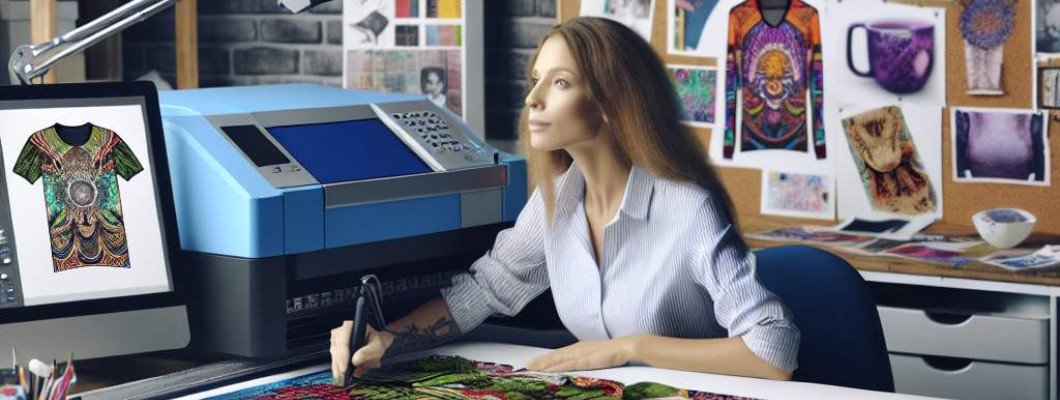
In recent years, the world of fashion and custom apparel has undergone a significant transformation, largely driven by advancements in printing technology. Among these innovations, Direct-to-Garment (DTG) printing has emerged as a top choice for many designers worldwide. One of the key reasons behind its popularity is the ability to produce high-quality, detailed T-shirt prints using photographs. This technology allows designers to transform their creative visions into vibrant, pixel-perfect garments with ease and flexibility.
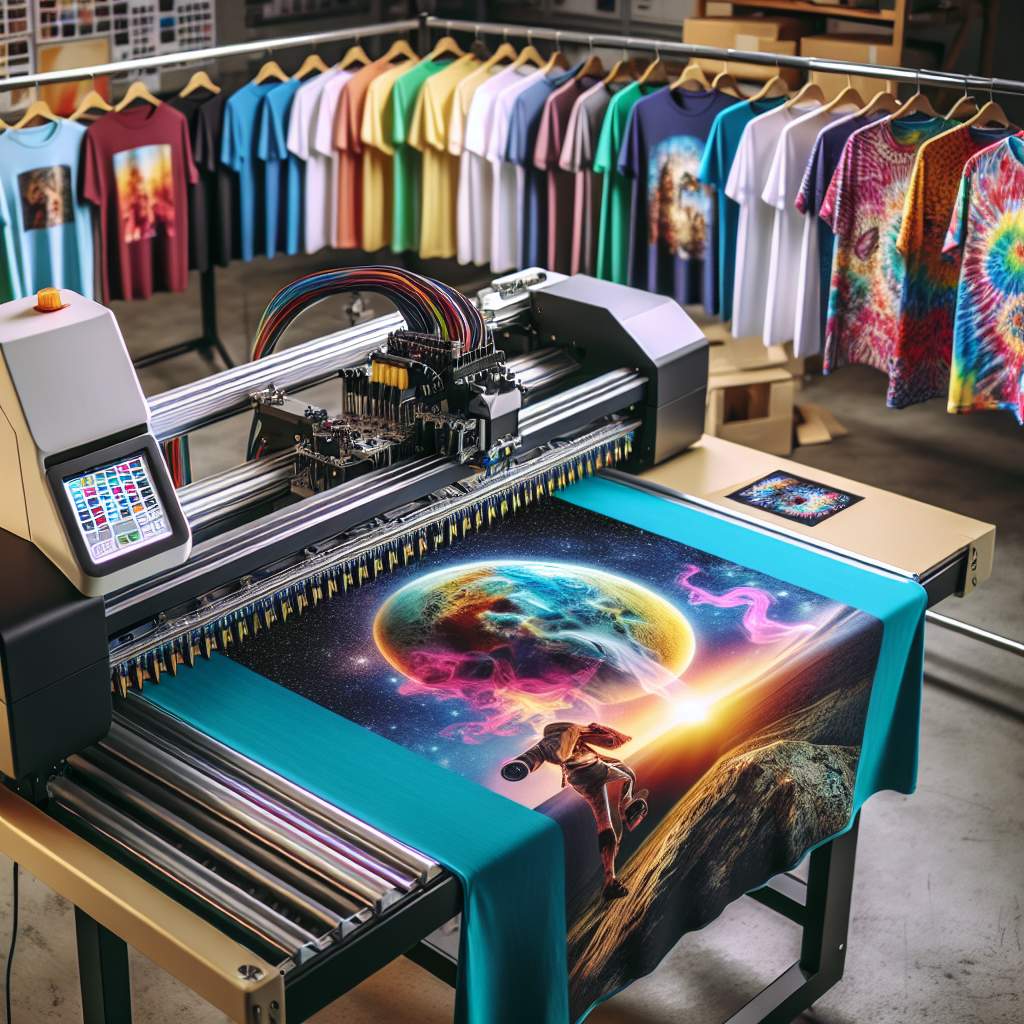
For designers who want to bring complex, colorful images to life, relying on traditional screen printing methods can be limiting due to setup costs and time constraints. DTG printing addresses these issues by offering a digital, on-demand process that directly applies ink onto fabric, especially suited for detailed photographs and intricate designs. This enables designers to experiment freely with various images—think detailed landscapes, portraits, or artwork—without worrying about costly silkscreens or color restrictions. The result is a stunning, durable print that captures every detail of the original photograph.
Moreover, using photographs in T-shirt designs with a DTG machine unlocks a whole new level of personalization. Customers today seek unique, one-of-a-kind apparel that reflects their individual style and personality. By incorporating personal photographs or high-resolution artwork, designers can create highly customized products that stand out in the marketplace. This not only enhances customer satisfaction but also opens doors for small businesses and entrepreneurs to cater to niche markets. Whether it's a memorable family photo, a pet portrait, or a vibrant piece of digital art, DTG printing makes these visions reality effortlessly.
Another advantage of using photographs with DTG printers lies in the vibrant color output and realism. This technology utilizes water-based, eco-friendly inks that are absorbed directly into the fabric fibers, resulting in soft, breathable prints that are comfortable to wear. The color fidelity is remarkable, especially for photographs with gradients, shading, and fine details, which can be challenging to replicate with other printing methods. This means that designers can achieve a near-photographic quality on their apparel, elevating the perceived value and aesthetic appeal of their products. For more information on high-quality DTG printers, visit this link.
Furthermore, the digital nature of DTG printing facilitates rapid turnaround times. Unlike traditional methods that require lengthy preparation and setup, DTG can produce a single shirt or a bulk order within hours, making it ideal for on-demand printing and small batch productions. This flexibility encourages designers to test new ideas, small collections, or limited editions based on photographic artwork. The ability to quickly shift designs without the need for extensive retooling reduces costs and increases responsiveness to market trends. This adaptability is crucial in today"s fast-paced fashion environment.
Environmental considerations are also a significant factor in the shift toward DTG printing. The process produces minimal waste, as it uses water-based inks and does not require harmful chemicals for screen creation or dye fixes. This eco-friendly aspect appeals to environmentally conscious consumers and brands aiming to reduce their ecological footprint. Using photographs with DTG printing aligns perfectly with sustainable fashion practices, enabling designers to create beautiful, high-quality prints while supporting greener production methods.
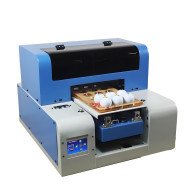
Apart from artistic versatility, DTG printers equipped with advanced features, such as automatic cleaning and precise color management, make the process more efficient and less labor-intensive. They also support a wide range of fabric types, including cotton, polyester blends, and more, expanding creative possibilities. This versatility allows designers to experiment with various textile substrates to achieve unique effects in their photographic prints. For those interested in upgrading their printing setup to include DTG technology, consider the A3 DTG Printer, a popular model known for its print quality and reliability.
In conclusion, the trend of many designers using photographs with DTG printing machines is driven by their desire for high-resolution, detailed, and vibrant custom prints that appeal to modern consumers. The technology's flexibility, environmental benefits, and ability to produce complex images efficiently make it an indispensable tool in the creative apparel industry. Whether for personalized gifts, fashion collections, or niche marketing, DTG printing empowers designers to turn digital images into wearable art with unmatched precision and quality. As the industry continues to evolve, embracing photographic designs with DTG machines will undoubtedly remain a cornerstone of innovative, expressive fashion.














Leave a Comment