Why Is Everyone Talking About DTF Printer Technology Right Now?
Why Is Everyone Talking About DTF Printer Technology Right Now?
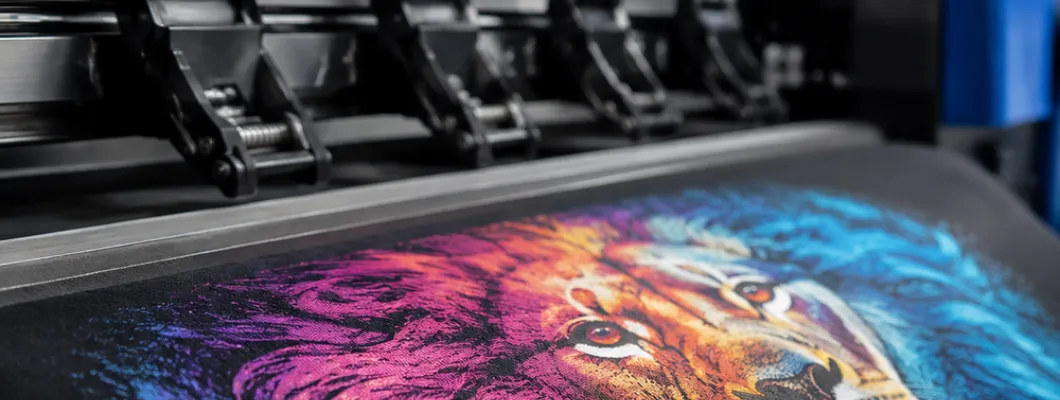
The printing industry is buzzing with excitement over the revolutionary dtf printer technology. Offering versatility, unmatched precision, and cost efficiency, Direct to Film (DTF) printing has become a game-changer for businesses in custom apparel and textile production. From vibrant full-color designs to its ability to streamline workflow, the dtf printer is reshaping printing methodologies worldwide. But what’s behind this surge of interest? Let’s dig deep into the technical features, competitive advantages, and why it’s a cornerstone for modern businesses.
What Makes a DTF Printer Stand Out?
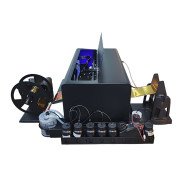
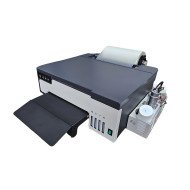
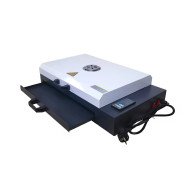
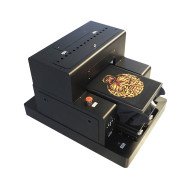
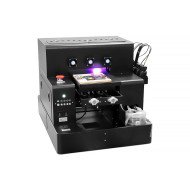
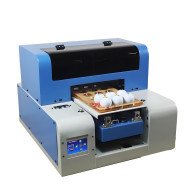
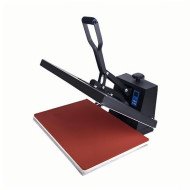
A dtf printer is specifically designed for creating custom prints on textiles using Direct to Film technology. Unlike traditional methods, which demanded either Direct to Garment (DTG) or screen printing, DTF printers enable designs to be printed onto a film, which is later transferred onto the fabric using heat and adhesive powder. This process eliminates the need for pre-treatment while delivering long-lasting, visually stunning results.
Key features that set DTF printers apart include:
- White Ink Circulation System: Prevents clogging by ensuring continuous ink flow through the printhead, boosting maintenance efficiency.
- Compatibility with Multiple Fabric Types: Ideal for cotton, polyester, denim, leather, and more, expanding your product range.
- RIP Software Integration: Enables color calibration, precise layering, and detailed output perfect for high-quality printing.
- Eco-Friendly Workflow: Reduces waste compared to traditional methods, ensuring a sustainable production approach.
Technical Features of DTF Printers You Need to Know
When choosing a dtf printer, it's essential to understand the technical specifications that differentiate industrial-grade models from entry-level options. Whether you’re a small business owner or a large-scale manufacturer, these features will directly impact your ROI and production efficiency.
Printhead Technology
DTF printers are equipped with advanced printheads like Epson XP600, i3200, or Ricoh GH2220. These printheads deliver smoother gradation, precise ink deposition, and resistance to clogging. Engineers often recommend dual printhead systems for manufacturers seeking faster outputs without compromising quality.
Ink Management System
The functioning of white ink is critical in DTF printing. Models with auto-circulation systems ensure the stability of white ink, preventing sedimentation and reducing downtime. GNFEI’s printers, for instance, integrate dual-pump systems for maintaining ink flow and safeguarding the printhead's life span.
Film Feed Optimization
Industry-leading DTF printers offer automated film-loading mechanisms that minimize human error while enabling seamless production on roll-fed systems. This feature is indispensable for manufacturers working on high-volume clothing lines or batch customization.
The Business Case for DTF Printers
For businesses seeking a scalable and profitable printing solution, the dtf printer stands out as the ultimate investment. Here’s why:
Versatility with Minimal Limitations
Unlike other methods such as DTG, which are limited to certain fabric types, DTF printers allow your business to cater to a broader market. Their ability to handle polyester, blends, spandex, and synthetic fabrics opens doors to diversified clientele—from sportswear manufacturers to custom gift shops.
Cost Efficiency
DTF printing eliminates the need for pre-treatment chemicals and specialty substrates, reducing operational costs. Additionally, films and adhesive powders are competitively priced, ensuring higher profit margins per project.
Quick Turnaround Time
The output speed of an industrial-grade DTF printer enables manufacturers to meet tight deadlines without sacrificing quality. Even small businesses experience streamlined production, helping them scale operations and boost customer satisfaction.
DTF Printer Maintenance: Expert Recommendations
Maintaining a dtf printer efficiently ensures uninterrupted workflow, extended hardware life, and reduced operating costs. Below are essential tips for maximizing your printer’s lifespan:
- Daily Cleaning: Run printhead wipes daily to prevent clogs.
- Regular Ink Circulation: Activate the system for white ink circulation daily to avoid sediment build-up.
- Software Updates: Always use the latest RIP software versions for troubleshooting and improved functionality.
- Temperature Control: Ensure optimal working conditions between 20 °C–25 °C to guarantee consistent film adhesion and print quality.
- Professional Servicing: Schedule periodic check-ups with certified GNFEI engineers, particularly for high-volume businesses.
Expert Verdict on DTF Printer Investment
To stay competitive in today's personalized textile market, investing in the right dtf printer technology makes perfect business sense. With its wide range of applications, ease of use, and superior print quality, DTF printing is the clear choice for businesses large and small. GNFEI TECHNOLOGY's range of A3 roll DTF printers, backed by advanced engineering and white ink circulation systems, empowers manufacturers to drive efficiency, scale operations, and deliver winning results.