Why Are DTG Printers Still Struggling to Replace Traditional Screen Printing?
Why Are DTG Printers Still Struggling to Replace Traditional Screen Printing?
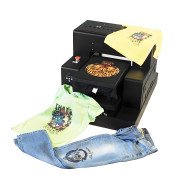
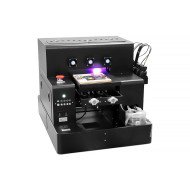
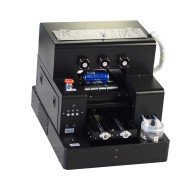
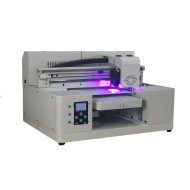
The dtg printer, known for its ability to print detailed, high-resolution designs directly onto garments, has become a game-changing technology in the textile industry. Offering flexibility and on-demand capabilities that traditional screen printing cannot match, one might wonder why DTG printers aren’t fully replacing screen printing. Despite their impressive advancements, certain challenges in speed, cost efficiency, and scalability have limited DTG’s ability to revolutionize the industry entirely. Let’s dive into the core reasons and examine whether these barriers are temporary or inherent to the technology.
The Technology Behind a DTG Printer: Why It’s so Innovative
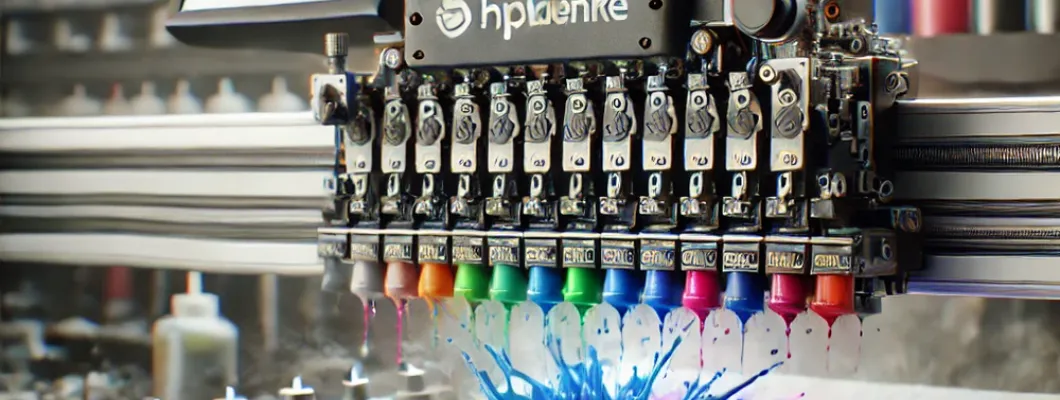
A DTG printer uses an advanced inkjet mechanism to apply water-based inks directly onto fabric. Unlike screen printing, which relies on stencils and screens to layer designs, DTG technology offers far superior detail and vibrant color reproduction, all while supporting smaller runs and customization. With this technology, businesses can:
- Print complex, photorealistic designs without the need for additional tooling.
- Take on short production runs economically, avoiding high overhead costs.
- Reduce prep time considerably when transitioning between designs.
These strengths make DTG printers perfect for small custom orders, e-commerce brands, and on-demand printing setups. However, their limitations become apparent when considered for high-volume industrial production.
Comparing DTG Printers to Traditional Screen Printing
To understand why DTG technology has yet to replace screen printing, it’s important to analyze their relative strengths and weaknesses:
Cost Per Unit: Economic Challenges for DTG Printers
While a dtg printer eliminates the need for stencils, its operational costs can be significantly higher, particularly for large orders. Screen printing becomes more economical as production quantity increases, owing to its low ink costs and reusable screens. In contrast, DTG relies on premium water-based ink and can experience higher maintenance costs over time due to sophisticated printheads.
Speed of Production: Why Screen Printing Retains an Edge
Manufacturers seeking high-volume production find that screen printing far outpaces DTG printers in terms of speed. For instance, a premium DTG printer, like the Epson F2100, may take up to several minutes to print a detailed design on a single garment. In contrast, screen printing presses can handle dozens or even hundreds of garments per hour.
Durability of Prints: A Point of Competition
One area where DTG printers have made significant strides is in print durability. With the right pre-treatment and curing processes, DTG prints can rival screen printing in longevity. However, achieving the requisite quality often demands precise environmental controls, including humidity and temperature, making DTG less plug-and-play than screen printing options.
Applications Where DTG Printers Shine
Despite their challenges, DTG printers excel in several scenarios where traditional screen printing cannot compete.
1. On-Demand Printing for E-Commerce
With the boom in personalized products, e-commerce platforms thrive on the capabilities that DTG printers offer. Because there are no setup costs, businesses can print single garments profitably, catering to individual preferences and avoiding excess inventory.
2. Short Runs and Small Businesses
DTG printers are a lifeline for small businesses and boutique printing services. By eliminating the need for screens and reducing turnaround time, these machines allow custom shops to keep pace with customer demands for unique, small-batch products.
3. Sustainable Printing Practices
Sustainability is an area where DTG printers significantly outperform traditional methods. Screen printing creates considerable waste both in inks and unused screens, whereas DTG’s digital setup creates prints on demand with minimal excess material. This makes DTG technology attractive to brands focusing on eco-conscious production.
Overcoming Industry Challenges: What’s Next for DTG Printers?
While the current barriers restricting DTG printers exist, innovations in this space are rapidly closing the gap. Here are some areas where DTG printers are evolving to compete more directly with screen printing:
- Improved Print Speed: Manufacturers are focusing on designing faster machines that can handle multiple garments simultaneously without compromising quality.
- Lower Operational Costs: As inks and printheads become more efficient, the per-unit cost for using DTG printers is steadily decreasing.
- Hybrid Technology Integration: Companies like Epson and Ricoh have developed hybrid DTG and DTF (Direct-to-Film) machines, expanding usage capability and providing more options for various fabric types.
- Scalability: Automation, such as conveyor-mounted DTG systems, enables print shops to scale up production while retaining the advantages of direct-to-garment technology.
Assessing ROI: Is a DTG Printer a Worthwhile Investment?
Investing in a DTG printer can be a strategic move for businesses focusing on short-run customization, sustainability, and high-resolution quality. Before investing, companies should carefully consider the following:
- Expected Output Volume: DTG printers are best suited for small to medium print runs; large-scale industrial processing may not justify the operational costs.
- Future Growth Potential: With the advent of hybrid printers and speed improvements, DTG technology is evolving rapidly, suggesting a long-term value for early adopters.
- Durability and Support: Select machines from reputable brands that offer robust after-sales support and warranty services to mitigate downtime risks.
Expert Verdict on DTG Printer Investment
While DTG printers remain a complementary technology rather than a complete replacement for traditional screen printing, they offer unparalleled flexibility, detail, and adaptability that screen printing simply cannot replicate. For businesses looking to address niche markets or leap into the e-commerce space with modern production techniques, a dtg printer is a forward-thinking investment.
However, understanding its current limitations is crucial. High-volume screen printing operations can still offer superior cost efficiency for bulk orders, and there are logistical considerations—such as pre-treatment and controlled environments—that make DTG adoption more complex. By aligning your printer investment with your business goals, you can maximize the ROI of this cutting-edge printing technology.