
Why a UV Printer Makes Sense for Businesses Moving Beyond Flat Printing
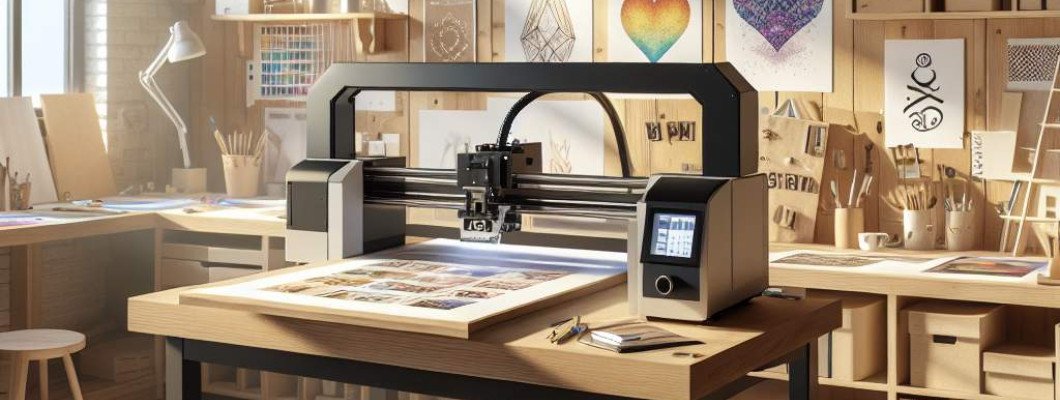
Are you struggling to expand your printing capabilities beyond traditional flat surfaces? Do you find your current printing equipment limiting in creating innovative, durable products? If so, investing in a UV printer can transform your business. Why a UV printer makes sense for businesses moving beyond flat printing is not just a marketing buzzword—it's a smart move driven by real industry needs and technological advances.
Imagine chatting with a fellow entrepreneur who started out printing banners and posters. Over time, they realized their clients wanted more versatile solutions—customized products like personalized packaging, 3D effects, and waterproof signage. Upgrading to a UV printer opened new revenue streams, reduced outsourcing costs, and allowed for on-demand production. That story is no longer unique; it"s a pathway many successful businesses are taking.
Understanding UV Printing Technology
UV printing uses ultraviolet light to instantly dry or cure ink as it is printed onto a surface. Unlike traditional inkjet printers, UV printers can print directly onto a wide range of materials, including plastic, metal, glass, wood, leather, and more. This versatility is a game-changer for many businesses looking to diversify their product offerings.
Here"s how UV printing works in simple terms:
- The printer deposits liquid ink onto the substrate.
- UV light immediately cures the ink, making it permanent and resistant to scratches, water, and weather.
- The result is vibrant, durable prints suitable for indoor and outdoor use.
This rapid curing process reduces production time, improves efficiency, and delivers high-quality results. Plus, UV printers can handle both small and large runs, providing flexibility for various commercial needs.
Why Transitioning Beyond Flat Printing Matters
Flat printing is perfect for banners, posters, and paper-based products, but many businesses aim for more. The demand for customized, high-value, and durable items is increasing. Here"s why moving beyond flat printing with UV technology is essential:
- Expanded Material Range: Print on ceramics, plastics, metals, glass, and even irregular shapes.
- Enhanced Product Value: Create premium signage, personalized gifts, or industrial components with high-quality finishes.
- Faster Turnaround: Print, cure, and move on—no waiting for inks to dry or special coatings to settle.
- Sustainability: UV inks are low in VOCs (volatile organic compounds), making them environmentally friendly compared to solvent-based alternatives.
Many entrepreneurs who start with flat printing tools find that UV printers unlock new markets, keeping them competitive in a fast-evolving industry.
Benefits of Incorporating a UV Printer into Your Business
Investing in a UV printer isn"t just about broadening your capabilities—it"s about gaining strategic advantages. Consider these key benefits:
- Versatility: Print on 3D objects, curved surfaces, and unconventional materials without changing equipment.
- High-Resolution Output: Achieve detailed images and sharp text—perfect for premium branding or artistic applications.
- Durability: Prints are resistant to UV sunlight, moisture, scratch, and chemicals, extending product lifespan.
- Cost-Efficiency: Reduce external outsourcing for special printing needs and streamline your workflow.
- Create Unique Products: Offer customized, one-off products that stand out in the marketplace.
For example, a business printing personalized smartphone cases or awards can now manage entire projects internally, increasing profit margins and reducing lead times.
Choosing the Right UV Printer for Your Business
When selecting a UV printer, consider factors like:
- Print Size: Ensure the maximum printable area suits your typical job sizes.
- Material Compatibility: Check whether the printer supports the materials you want to work with.
- Print Resolution: Look for higher DPI settings for detailed work.
- Ease of Use: User-friendly interfaces reduce training time and errors.
- Maintenance: Choose models with reliable support and easy maintenance procedures.
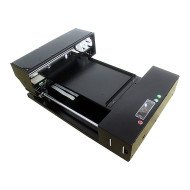
- Example: Consider the A3 Spot UV Printing Machine, which offers high precision and versatility for small to medium runs.
Investing in quality equipment like this can pay off with increased capabilities and faster turnaround times.
Integrating UV Printing into Your Existing Workflow
Transitioning to UV printing doesn't mean starting from scratch. Integrate it seamlessly with your current setup by:
- Training your team on new equipment and processes.
- Reorganizing workspace to accommodate larger printers.
- Updating your product development strategies to include UV-printed items.
Start small—sample projects or limited product lines—then expand as you gain confidence and market demand grows.
Real-Life Examples of UV Printing Success
A local promotional items company decided to add UV printing to create custom gifts on glassware and awards. They could produce high-resolution, scratch-proof designs in-house, cutting costs and increase customer satisfaction. Another example: a signage shop expanded into industrial applications, printing directly onto metal and plastic signs, which previously required outsourcing. These stories show how a UV printer isn't just an investment—it's a strategic tool for growth and innovation.
FAQs About UV Printing for Business
1. Is UV printing suitable for small business owners?
Yes. UV printers come in various sizes and prices, making them accessible for small to medium businesses. They are ideal for creating custom products, promotional items, and prototypes.
2. How durable are UV-printed products?
UV prints are highly resistant to scratches, UV exposure, water, and chemicals—making them perfect for outdoor or long-term use.
3. Can UV printers print on irregular or curved surfaces?
Absolutely. One of the main advantages of UV technology is the ability to print directly onto uneven, textured, and curved surfaces.
4. What are the maintenance requirements for a UV printer?
Regular cleaning of printheads and curing lamps is necessary, but most models feature user-friendly maintenance. Proper maintenance ensures high-quality output and prolongs equipment lifespan.
5. Are UV printers environmentally friendly?
Compared to solvent-based inks, UV inks emit fewer VOCs and produce less waste, making UV printing a greener choice.
Switching to a UV printer is a decisive move for any business eager to push beyond traditional flat printing boundaries. This technology allows for innovative products, broad material compatibility, and higher profit margins—all crucial for staying competitive today. If you"re ready to upgrade your printing capabilities, explore options like the A3 Spot UV Printing Machine—a versatile machine that could be the catalyst for your next growth phase.














Leave a Comment