When Printing Flowers Goes Wrong: User Error Horror Stories
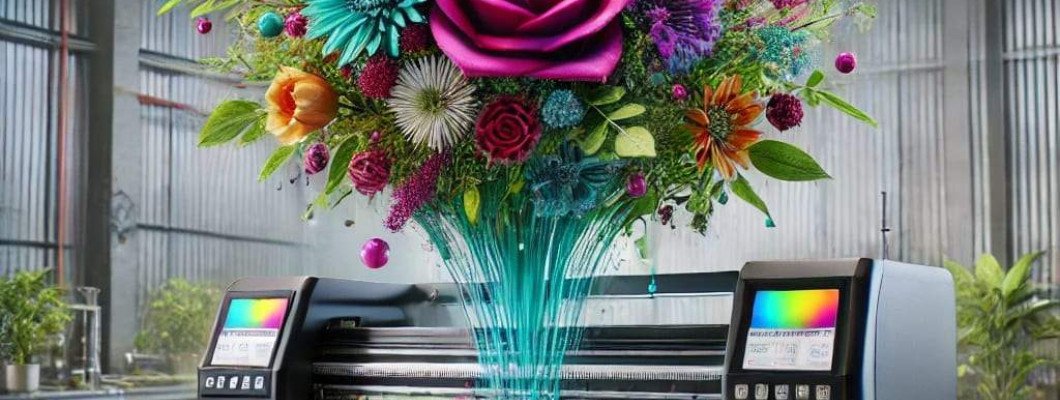
Printing Flowers: A Revolution or a Recurring Nightmare?
Imagine printing a bouquet of roses with the click of a button. The idea seems thrilling, doesn't it? Yet, delve beneath the surface and the fantasy can crumble quickly. Meet Jane, a small business owner who invested in a multifunction artificial and natural flower printer, only to face a series of unexpected troubles.
User error—a term often brushed aside—has become Jane's worst enemy, turning her dream into an anxiety-ridden experience.
Jane's story is not isolated. Many users, entranced by the promise of technology, find themselves tangled in a web of unforeseen challenges. This isn't about the machine's failure but the subtle, yet powerful, errors induced by misguided actions.
1. The Peculiar Realm of User Error
On the surface, the process seems straightforward—input your design, press print, and voilà! However, beneath this simplicity lies a complex dance between technology and human intent. User errors often involve misalignments, inappropriate choice of materials, or improper software settings that result in anything but a perfect bloom.
2. The Cost of Missteps Over Time
Error-laden prints can become costly, not only in materials wasted but in time lost. For instance, if Jane makes a mistake five times a week, that could translate to hundreds of dollars monthly. The real kicker? Many don't factor these hidden costs into their initial budgeting.
3. Real World Impact: The Agony of Flawed Outputs
Consider another user scenario: an event planner relying on printed flowers for a wedding service. A minor error—such as incorrect color settings—could lead to mismatched bouquets, resulting in dissatisfied clients and potential reputation damage.
4. Solutions—Or the Lack Thereof
While user manuals are abundant, practical solutions for these types of mistakes aren't always forthcoming. The gap between what manufacturers provide and the real-world troubles users face can seem endless and frustrating.
5. The Continuous Learning Curve
The printing update landscape is volatile, with new software versions requiring ongoing adaptation. Jane and many others often find themselves stuck in a cycle of learning and re-learning with each update.
3 User Scenarios: From Success to Disaster
Scenario 1: The Overconfident Newbie
Meet John, who assumed he could master the printer overnight. His overconfidence led to numerous material jams before he recognized the necessity for training.
Scenario 2: The Proactive Learner
Laura, on the other hand, embraced tutorials and forums, effectively minimizing errors and enhancing her business reliability.
Scenario 3: The Skeptic Entrepreneur
Bill avoided investing in a printer altogether, fearing user error like the plague. He instead focuses on outsourcing, minimizing any personal pitfalls but sacrificing control and innovation.
Expert Q&A: Dispelling Myths
Q1: Can user error ever be fully eliminated?
A: Not entirely. Each printer has a unique learning curve that evolves with user experience.
Q2: Are some printers more prone to user error?
A: Yes. Complex systems often increase the potential for human error.
Q3: How can users minimize mistakes?
A: Regular training and adherence to guidelines can significantly reduce errors.
Q4: Is outsourcing a viable long-term solution?
A: It can be, but consider the trade-offs in customization and control.
Q5: Are software updates helping or hindering?
A: They can do both. They improve functionality but require users to adapt quickly.
The Verdict: Is the Investment Worth It?
Ultimately, while the potential for user error is daunting, it doesn't have to deter prospective owners. A commitment to learning and adapting can overcome these challenges. The key is embracing the technology mindfully.
If you're still intrigued by the possibilities, consider exploring the Multifunction Artificial and Natural Flower Printer. With a heads-up on potential pitfalls, the journey of printing flowers can be as rewarding as it is challenging.