
What Today’s Custom Apparel Market Really Demands from a T-shirt Printing Machine
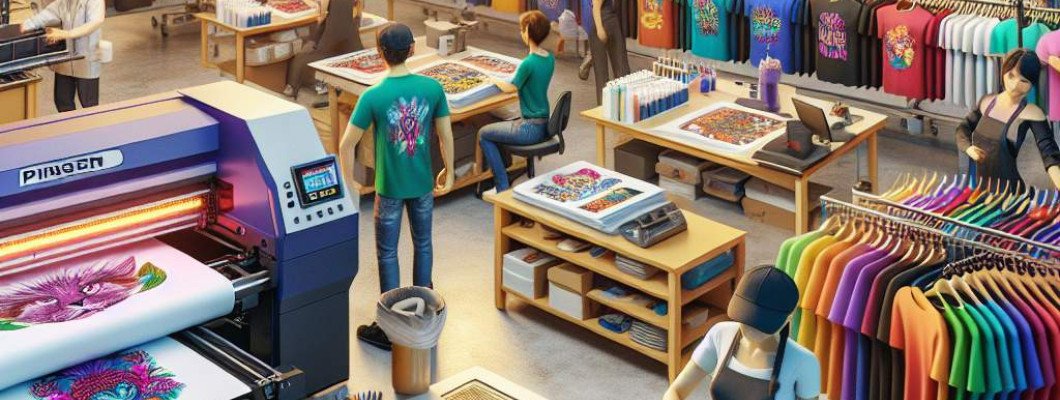
Are you struggling to keep up with the demands of today"s custom apparel market? Wondering what features your T-shirt printing machine really needs to stay ahead? You're not alone. Many manufacturers and shop owners are asking the same questions. The market is evolving fast, and the machinery must evolve even faster to meet those ever-changing demands.
When I first started experimenting with different T-shirt printing machines, I underestimated just how fast customer expectations could shift. One day, I was doing fine with basic sublimation printers, then suddenly, customers were asking for high detail, faster turnaround, and more eco-friendly options. That made me realize the importance of understanding exactly what modern T-shirt printing machines need to deliver. So, let"s dive into what today"s custom apparel market really demands from a T-shirt printing machine.
The Core Demands of Today"s Custom Apparel Market
1. High-Quality Output That Lasts
Quality is king. Customers want designs that look vivid, sharp, and durable. The print should resist fading, cracking, or peeling after multiple washes. Whether it"s a simple logo or complex artwork, your machine must produce consistent, high-resolution prints.
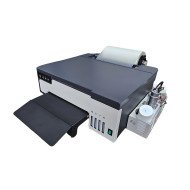
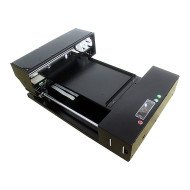
Investing in a high-quality T-shirt printing machine, like the A3 DTG Printer, can help achieve this. These machines deliver exceptional color accuracy and detail, which is essential for customer satisfaction.
2. Speed & Efficiency
Time is money. Consumers expect quick turnarounds, especially for bulk orders or last-minute requests. Your printing equipment must be capable of high-speed production without sacrificing quality. This means faster printing cycles, minimal setup times, and reliable operation.
Modern machines with automatic features, smarter software, and efficient ink systems can drastically cut production times. For example, a machine with quick-drying inks and automated calibration helps save hours each week.
3. Versatility in Design and Material Compatibility
The market doesn"t just want T-shirts anymore. Customers are demanding versatility — from hoodies to tank tops, even tote bags and apparel with different fabrics. Your machine must adapt to various materials and design types, whether it"s digital direct-to-garment (DTG), screen printing, or sublimation.
Choosing a printer with multi-purpose capabilities ensures you can serve a wider client base and respond quickly to design requests, boosting your revenue.
4. Eco-Friendly & Sustainable Production
Consumers are more conscious than ever about sustainability. Your T-shirt printing machine should enable eco-friendly inks and processes. Technologies that reduce waste, conserve energy, and use water-based inks are highly valued in today"s market.
Many modern printers incorporate waterless printing methods or environmentally safe inks. These not only appeal to eco-conscious clients but also reduce your operational costs and environmental footprint.
5. Ease of Use & Operator Training
Technical complexity can slow down your production. Machines with intuitive interfaces, automated functions, and straightforward maintenance mean quicker training and less downtime. Your staff should focus on creativity, not troubleshooting.
A user-friendly machine, combined with solid customer support from the manufacturer, ensures maximum uptime and productivity.
What to Look for When Choosing a T-shirt Printing Machine
Key Features That Matter
- Resolution: Minimum 1200 dpi for crisp, detailed images.
- Printing Speed: At least 15-20 shirts per hour for small to medium runs.
- Ink Compatibility: Water-based, eco-friendly inks that work on various fabrics.
- Automation: Automatic pre-treatment, calibration, and maintenance to streamline workflow.
- Size & Footprint: Fits your workspace without overwhelming it.
- Customer Support: Reliable technical assistance and readily available spare parts.
Bear in mind, investing in a machine like the A3 DTG Printer offers many of these features, making it a solid choice for evolving market demands.
Technology Trends Shaping the Market
1. Direct-to-Garment (DTG) Advancements
DTG printing continues to grow because it"s fast, flexible, and produces high-quality results. The latest models feature enhanced print heads for finer details, faster drying inks, and better fabric compatibility.
They also integrate with software that manages color profiles seamlessly, saving you time and reducing errors.
2. Eco-Friendly Innovations
Expect a rise in biodegradable inks, waterless processes, and energy-efficient machines. These solutions help brands meet sustainability goals and appeal to eco-conscious customers.
Technologies like pigment-based inks with high wash durability are gaining popularity, delivering vibrant, sustainable prints that last.
3. Automation & Smart Features
From automatic pre-treatment to self-cleaning systems, automation reduces labor and shortens production cycles. Smart sensors monitor ink levels, print quality, and machine health for minimal downtime.
This means your machine works smarter, not harder, meeting the quick-turnaround demand of today's apparel brands.
Final Thoughts
When it comes to the custom apparel market, a T-shirt printing machine that ticks all these boxes is essential. You need high-quality output, speed, versatility, and eco-friendly features all in one package. These demands are only going to grow as customer expectations evolve.
Investing in a reliable, modern printer like the A3 DTG Printer can help you meet these demands confidently. It"s not just about keeping up; it"s about leading the way in the fast-paced, competitive world of custom apparel.
FAQs
1. What is the most important feature to look for in a T-shirt printing machine?
High-quality print resolution combined with speed and versatility are crucial. Look for machines that deliver vivid, durable images quickly across various fabrics.
2. How do eco-friendly printing technologies impact cost?
While initial costs may be slightly higher, eco-friendly inks and waterless processes can reduce waste and energy consumption, saving you money in the long run.
3. Can a beginner operate advanced T-shirt printers?
Yes, many modern machines are designed with user-friendly interfaces, automation, and support, making them accessible even for beginners with minimal training.
4. What kind of maintenance is required for these printers?
Regular cleaning, ink refilling, and calibration are necessary. Auto-cleaning features in newer models help reduce downtime and simplify maintenance tasks.
5. How do I ensure the machine I choose can handle future market demands?
Look for scalable features, upgrade options, and compatibility with new inks and technologies. Choosing a reliable brand like GNFEI ensures long-term support and growth potential.














Leave a Comment