
UV Printing Market Trends 2025: Industries Experiencing Rapid Growth

Are You Curious About the Future of UV Printing in 2025?
Have you ever wondered which industries are shaping the future of UV printing? If you're involved in printing, manufacturing, or advertising, staying on top of the latest trends is crucial. UV printing continues to evolve rapidly, opening new doors for businesses worldwide. As we approach 2025, understanding these market trends can give you a competitive edge. Let"s dive into how UV printing is transforming various sectors and what you should expect in the near future.
What Makes UV Printing So Popular Right Now?
UV printing is gaining momentum because of its versatility and durability. It accelerates production times while delivering high-quality images that last longer. Unlike traditional printing methods, UV printing uses ultraviolet light to instantly cure inks, making it a fast and eco-friendly process. This has made it ideal for a broad range of applications, from custom packaging to personalized promotional items.
In 2025, experts predict that UV printing technology will be even more advanced, with improvements in speed and resolution. Manufacturers are developing machines that can handle more complex designs and thicker substrates. This means more options for product customization and creative expression. For example, businesses can now print directly onto irregularly shaped objects, enhancing aesthetic appeal.
Industries Experiencing Rapid Growth with UV Printing
1. Packaging and Labeling
The packaging industry is one of the biggest beneficiaries of UV printing growth. As consumers demand more eye-catching and eco-friendly packaging, brands turn to UV printing for high-definition graphics on various materials. It allows for quick turnaround and short print runs, which are perfect for limited-edition products or seasonal items.
Think about brands that want bespoke packaging for a special promotion — UV printing makes it possible without huge investment. Plus, its durability ensures packaging looks pristine even after shipping or handling.
2. Signage and Indoor Advertising
Outdoor and indoor signage are evolving fast with UV technical capabilities. From retail displays to large-format banners, UV printing offers sharp images and vibrant colors that stand out. Plus, since inks cure instantly, the signs are ready almost immediately, speeding up delivery times. Businesses are turning to UV printers for quick town renovations or promotional campaigns that need to go live fast.
The ability to print on various substrates like glass, metal, plastic, or wood broadens creative possibilities for designers and advertisers.
3. Personalization and Custom Items
Personalized gifts, promotional merchandise, and customized products are booming sectors. Think of customized phone cases, awards, or even jewelry. UV printing's high resolution and ability to print on varied surfaces make it perfect for uniqueness and small batch production.
For example, a local business owner chats with me about printing personalized keepsakes. UV printing lets them produce high-quality, customized items without massive setup costs, making it a win-win.
4. Industrial Applications and Manufacturing
The manufacturing sector is adopting UV printing for functional and aesthetic purposes. UV inks are now used for printing on machinery parts, electronic components, and medical devices. The focus is on UV's ability to print on difficult surfaces while resisting wear and environmental damage.
In fact, some companies use UV printing for serial numbers or product details directly on items, reducing the risk of counterfeiting and improving traceability. UV printing is also being integrated with other manufacturing processes, creating smarter, more flexible production lines.
Technological Innovations Driving the Market Forward
Looking ahead to 2025, technological innovations will boost UV printing's capabilities. Here's what to keep an eye on:
- Increased resolution and speed: New machines will produce ultra-high-definition images faster than ever.
- Expanded substrate compatibility: Printing on textiles, ceramics, and even leather will become more reliable and cost-effective.
- Eco-friendly inks: Growing emphasis on sustainability will lead to more biodegradable and water-based UV inks.
- Automation and AI integration: Intelligent systems for calibration and color management will minimize wastage and errors.
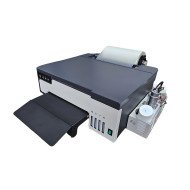
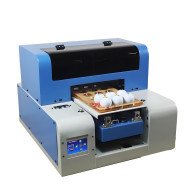
Many brands are already testing these advanced features, and the early results are promising. They enable businesses to deliver even more elaborate designs with minimal lead times. If you haven"t already, it"s time to consider upgrading your UV printing equipment. For an example, check out this high-quality UV printing machine that can elevate your production game.
Why Businesses Should Pay Attention to Market Trends
Understanding market trends isn"t just about staying current — it"s about staying ahead. For instance, if you"re in packaging, investing in UV printing technology now could help you meet increasing demand for eco-friendly and vibrant packaging solutions.
Similarly, if customization appeals to your clients, you"ll want tools that support quick changeovers and detailed printing. The UV printing market"s growth suggests big opportunities for innovation, better quality, and faster turnaround times — all vital in a competitive environment.
Remember, the early adopters often get the best deals and the first-mover advantage. So, keep an eye on upcoming innovations and consider how you can leverage them now.
FAQs About UV Printing Market Trends 2025
1. How is UV printing different from traditional printing?
UV printing uses ultraviolet light to instantly cure ink, allowing for faster production, printing on more surfaces, and producing more durable, vibrant images.
2. What industries are most likely to benefit from UV printing in 2025?
Packaging, signage, personalization, and industrial manufacturing will see significant growth and benefits from UV technology because of its versatility and durability.
3. Are there environmental concerns with UV printing?
Traditional UV inks contain less volatile organic compounds (VOCs) compared to solvent-based inks, making UV printing a more eco-friendly choice. Ongoing innovations aim to develop biodegradable and water-based UV inks further.
4. Do I need specialized training or equipment to start UV printing?
Yes, investing in dedicated UV printers and training staff on handling UV inks and maintenance is essential. But many manufacturers offer comprehensive support to ensure a smooth transition.
5. What"s the biggest challenge in adopting UV printing today?
The main hurdle is the initial cost of high-quality UV printers. However, the speed, quality, and versatility often offset this investment in the long run.














Leave a Comment