
UV Printer Printing on Unusual Materials: What Works in Real Life
Are you struggling to achieve vibrant, durable prints on unconventional surfaces? Do you find that traditional printing methods fall short when working with unusual materials? If so, you're not alone. Many businesses and hobbyists face challenges when trying to bring their creative ideas to life on surfaces like plastic, glass, wood, or metal. The good news is that UV printing technology has revolutionized how we approach printing on these tricky substrates. But what really works in real life when it comes to UV printer printing on unusual materials?
Understanding the essentials of UV printing on diverse surfaces can open up a world of possibilities for custom signage, promotional products, artwork, and more. Let"s explore proven techniques, practical tips, and real-world insights that will help you get the best results on unconventional materials.
What Makes UV Printing Suitable for Unusual Materials?
UV printing uses ultraviolet light to cure inks instantly as they are printed onto a surface. This process offers several advantages:
- Adherence to different substrates: UV inks are versatile and can stick to many materials without primer or pre-treatment.
- Fast curing time: Prints are ready immediately, reducing production time.
- High-quality output: Produces detailed, vibrant images with a glossy or matte finish.
- Durability: UV coatings are resistant to scratches, chemicals, and UV exposure.
These features make UV printing a top choice for printing on surfaces traditionally considered difficult, like acrylic or textured wood. However, to get optimal results, it"s crucial to understand how to adapt your techniques to each material"s unique properties.
Key Techniques for Successful UV Printing on Unusual Materials
Each material presents its own challenges—like uneven surfaces, absorbent textures, or surface contaminants. Here are practical methods to overcome these hurdles:
1. Surface Preparation is Essential
- Clean thoroughly: Remove dust, oils, and fingerprints with isopropyl alcohol or a mild cleaner.
- Sand or prime if needed: For textured or porous surfaces like wood or fabric, light sanding or applying a primer can improve ink adhesion.
- Use a release coating: For non-porous surfaces like glass, applying a thin primer or adhesion promoter can help prevent peeling.
2. Choose the Right Ink and Settings
- Opt for UV inks formulated for specific surfaces: Some inks are designed for high adhesion on plastics, metals, or glass.
- Adjust curing intensity and speed: Set proper UV exposure to ensure complete curing without overheating or damaging the substrate.
- Test before large runs: Small-scale testing helps fine-tune your printer settings for each material.
3. Handle Textured or Uneven Surfaces Carefully
Printing on rough or uneven surfaces can cause streaks or distortions. To mitigate this:
- Use a flattened or leveled surface: Secure textured items on a flatbed platform with adjustable height.
- Adjust print head height and speed: Stay closer to the surface to enhance detail, especially on uneven surfaces.
- Print in multiple passes: Light passes can help build up layer depth gradually, ensuring precision.
4. Managing Large or Irregular Items
When printing on bulky or irregular objects, consider:
- Custom fixtures or jigs: Use custom holders to keep items steady and properly aligned.
- Multi-angle printing: For complex shapes, multiple passes from different angles may be necessary.
- Software customization: Use advanced print planning to optimize print path and avoid shadows or overlaps.
Real-Life Examples: UV Printing in Action
One business owner shared that after purchasing a spot UV printing machine, they started printing on everything from acrylic trophies to metal business cards. They found that with proper surface prep and settings adjustments, the prints were sharp, durable, and eye-catching. For instance, printing on transparent glass allowed them to create custom promotional awards with vivid colors that didn"t scratch easily.
Another hobbyist experimented with printing directly onto wood plaques for personalized gifts. By lightly sanding the surface and choosing the right ink, they achieved a high-quality finish that impressed recipients and boosted their business.
Explore the Right UV Printing Solutions
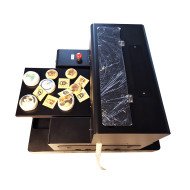
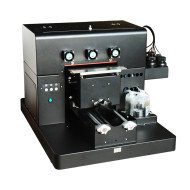
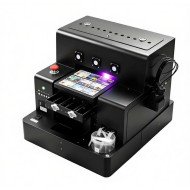
If you"re serious about expanding your capabilities in printing on unusual materials, investing in high-quality equipment is crucial. One highly recommended option is the Spot UV Printing Machine. This device offers precise control over printing and coating, making it perfect for challenging surfaces and high-end custom projects.
FAQs About UV Printing on Unusual Materials
1. Can UV printing be done on textured surfaces?
Yes, but it requires adjustments like reducing print speed and adjusting the head height to accommodate uneven surfaces. Surface preparation is also vital to ensure adhesion and sharpness.
2. Is any pre-treatment needed for plastics?
Most plastics accept UV inks well, but some may need a primer, especially if they are glossy or non-porous. Testing in small areas is recommended before full-scale printing.
3. How durable are UV prints on materials like wood or metal?
UV-printed images are highly durable, resistant to scratches and UV exposure. Proper curing and surface preparation will enhance longevity, making them suitable for outdoor use.
4. What types of inks are best for printing on glass?
Special UV inks formulated for glass work best, especially those with excellent adhesion and flexibility. Using a primer can also improve results on smooth surfaces like glass or mirrors.
5. Can UV printing be used for high-volume production?
Absolutely. UV printers can handle large batches efficiently, especially with optimized settings. Automation features and faster curing speeds are key assets for high-volume runs.
Getting familiar with UV printer printing on unusual materials takes practice, but the results—vivid, durable, and professional—are worth the effort. By following these tips and exploring suitable equipment, you"ll unlock new creative and commercial opportunities. Remember, the right surface preparation, equipment, and techniques make all the difference in turning challenging substrates into captivating displays of your craftsmanship.












Leave a Comment