
UV Printer Price Breakdown: What to Expect in 2024 Across Different Markets

UV Printer Price Breakdown: What to Expect in 2024 Across Different Markets
Understanding the Factors That Drive UV Printer Pricing
When considering a UV printer for your custom printing business, understanding the core components that influence pricing is critical. UV printers are not simply a one-size-fits-all solution; their costs vary based on hardware specifications, print head technology, software compatibility, and additional features like ink circulation systems and material handling capabilities. For instance, print heads such as the Epson XP600, TX800, and i3200 have significant differences in cost and performance. The XP600 is an affordable entry-level option, but for businesses looking for higher throughput and durability, the i3200 offers better resolution and speed at a premium cost. Similarly, advanced RIP software like AcroRIP or Photoprint can add hundreds to thousands of dollars to the total price, depending on licensing and functionality.
Another key contributor to price is the UV LED curing system. Higher-power curing systems with adjustable wattage provide more flexibility for printing on diverse materials, but can also increase the price of the printer by up to 20%. Mechanical stability is another element that cannot be overlooked. Printers equipped with precision linear guide rails and ball screws deliver superior accuracy and longevity, but they come at a higher upfront cost. These components are essential for businesses seeking high repeatability in production. Finally, don't forget about ink types—CMYK, white, and varnish UV inks all impact operating costs differently, and their compatibility with your chosen printer must align with your business needs.
Regional Pricing Variations and Market Trends
Pricing trends for UV printers in 2024 will continue to vary significantly by region due to differences in import taxes, local manufacturing capabilities, and market demand. For example, in North America and Europe, UV printers such as those using Epson L805 or i3200 print heads are priced higher due to stringent quality standards and warranty requirements. Expect to pay anywhere from $5,000 to $20,000 for a robust desktop UV printer in these markets. By contrast, emerging markets in Southeast Asia and South America often have access to more cost-effective options, with entry-level printers starting as low as $3,000. However, these lower-priced models may lack features like automated ink circulation or high-quality linear guide rails.
Another regional factor to consider is the availability of support and spare parts. In regions where UV printers are not widely adopted, sourcing replacement parts like UV LED lamps or print heads may incur additional shipping costs and downtime. Additionally, the type of RIP software bundled with the printer can vary by market. For instance, AcroRIP is commonly pre-installed in Asian markets, while European vendors may include Maintop or Photoprint for better compatibility with local printing standards. Understanding these regional nuances can help you make a more informed purchasing decision.
Breaking Down Costs: Entry-Level, Mid-Range, and Industrial UV Printers
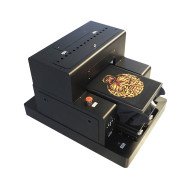
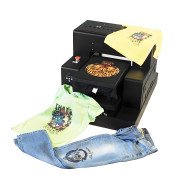
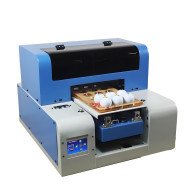
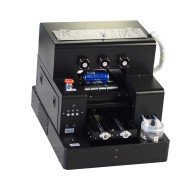
UV printers can typically be categorised into three price tiers: entry-level, mid-range, and industrial-grade. Entry-level models, equipped with print heads like the Epson XP600 or TX800, are ideal for small businesses just starting with UV printing. These printers typically range between $3,000 and $6,000 and are suitable for printing on flat materials like phone cases, awards, and promotional items. However, they may lack advanced features such as white ink recirculation, which can lead to clogging issues if not maintained properly.
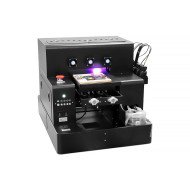
Mid-range UV printers, on the other hand, offer a step-up in performance and durability. Priced between $7,000 and $15,000, these models often include more robust hardware, such as dual ball screws for enhanced precision and higher-powered UV LED curing systems. Print heads like the Epson i3200 are common in this category, offering faster print speeds and higher resolution. Industrial-grade printers, starting at $20,000 and going up to $80,000 or more, are designed for high-volume production. They feature advanced ink circulation systems, automated material handling, and industrial-grade linear guide rails for maximum stability. These machines are ideal for printing on larger surfaces like metal sheets, acrylic boards, and even cylindrical objects.
How to Maximise Value When Investing in a UV Printer
When purchasing a UV printer, maximising value involves more than just comparing price tags. Start by evaluating the total cost of ownership, which includes not only the initial purchase price but also ongoing expenses like ink costs, maintenance, and software licensing. For example, while an Epson XP600-based printer may seem cheaper upfront, its lower durability could lead to higher maintenance costs in the long run. Alternatively, investing in a printer with an i3200 head or a robust ink circulation system might offer better operational efficiency and a lower cost per print.
Another way to maximise value is by examining warranty terms and available support. Manufacturers offering extended warranties, readily available spare parts, and responsive customer service can save you thousands in the long term. Additionally, consider the scalability of the printer. If you expect your business to grow, investing in a mid-range or industrial-grade printer with advanced features like automated height adjustment or multiple RIP software compatibility can future-proof your operations. Finally, always test the printer on the materials you intend to use before making a purchase. This ensures compatibility and prevents unforeseen complications down the line. For further assistance, feel free to reach out to our technical team at GNFEI for personalised recommendations.


Leave a Comment