
UV Printer Opportunities Emerging from Short-Lifecycle Product Trends
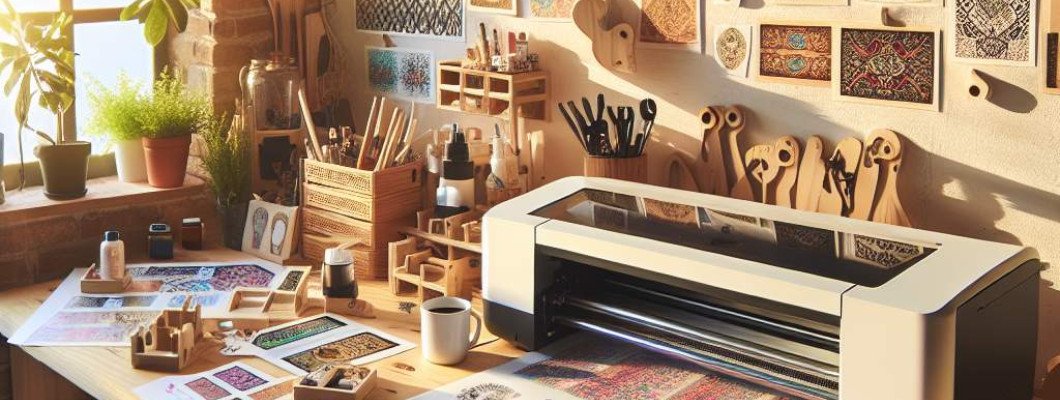
Struggling to keep up with rapid product innovation and short-market cycles? If you"re involved in manufacturing, branding, or custom printing, then you know how crucial it is to stay ahead of the trends. One area gaining remarkable momentum is the integration of UV printing technology with short-lifecycle products. This trend isn"t just a fleeting fad; it"s transforming how businesses approach production, customization, and brand differentiation. The question is: how can UV printers unlock opportunities amid these fast-changing product demands?
Understanding the core of this shift requires a look into what short-lifecycle products are. These include items designed for quick use and disposal or evolve rapidly in the market—think promotional items, limited-edition packaging, or trendy consumer gadgets. As the lifespan of these products shortens, manufacturers and brand owners face new challenges: rapid turnaround times, high variability, and the need for flexible, on-demand printing solutions.
Why Short-Lifecycle Products Matter for UV Printing
Short-lifecycle products are characterized by their quick turnover and demand for high customization. Traditional printing methods often struggle to meet these demands efficiently. UV printing, however, offers a perfect solution because of its speed, versatility, and quality. Here"s why UV printers are becoming essential in this space:
- Fast Curing Time: UV inks dry instantly when exposed to ultraviolet light, allowing for immediate handling and finishing.
- High-Quality, Fade-Resistant Prints: UV inks provide vibrant, durable graphics that last for the product's short life span.
- Variety of Substrates: UV printers work on plastics, metals, glass, and more—crucial for diverse product ranges.
- Cost-Effective for Small Batches: No need for plates or extensive setup; ideal for limited editions or quick-turnaround projects.
- On-Demand Customization: Perfectly suited for personalized or limited-run designs, improving market responsiveness.
Emerging Opportunities for UV Printer Holders
The rise of short-lifecycle products creates multiple avenues for businesses leveraging UV printing technology. Here are some of the most promising opportunities:
1. Personalized Promotional Items
Brands constantly seek unique giveaways to stand out. UV printers enable quick customization of pens, mugs, keychains, or tech accessories with vibrant logos and messages. The ability to produce small batches swiftly translates into higher flexibility and lower inventory costs. Companies can respond promptly to event demands or trending themes, keeping their marketing fresh and engaging.
2. Limited-Edition Packaging
Limited runs or seasonal packaging demand high-quality, eye-catching designs. UV printing minimizes setup time, allowing manufacturers to produce complex graphics on boxes, bottles, or wrappers efficiently. This agility helps brands test market reactions or create scarcity-driven campaigns that boost sales.
3. Custom Gadgets & Consumer Electronics
Consumer electronics—like smartphone cases, smartwatches, or gaming accessories—often feature short-lived market cycles. UV printers can decorate these items with high-resolution, intricate designs in small volumes, which is cost-effective and quick, giving brands an edge over competitors relying on conventional methods.
4. Trend-Driven Fashion & Accessories
Accessories like jewelry, watches, or fashion hardware benefit from rapid customization. Short-lived trends demand small batch production with unique patterns. UV printing allows artisans to experiment with designs without significant investment, reacting swiftly to current trends.
5. Rapid Prototyping & Concept Models
Designers and product developers utilize UV printers for creating prototypes with realistic textures and detailed graphics. This accelerates the product development cycle and enables quick feedback from stakeholders or consumers, refining designs fast before mass production.
Choosing the Right UV Printer for Short-Lifecycle Product Production
Not all UV printers are created equal. When shopping for a unit tailored to emerging opportunities in short-lifecycle products, consider the following factors:
- Print Speed: Look for models that can handle rapid production without sacrificing quality.
- Print Area & Resolution: Larger work areas and high-resolution capabilities will support diverse product sizes and detailed designs.
- Ease of Use & Maintenance: Efficient setups save time, crucial for quick turnaround projects.
- Substrate Compatibility: Ensure the printer can handle the variety of materials your products require.
- Cost of Operation: Balance upfront investment with long-term costs—low consumable costs and durability matter.
For example, the A3 Spot UV Printing Machine is an excellent choice for small to medium-scale producers wanting high-quality, fast turnaround printing tailored to short product lifecycles.
Implementing UV Printing in Your Business Strategy
To capitalize on these emerging opportunities, consider these strategic steps:
- Identify your target market: Focus on industries with high product turnover and customization needs.
- Invest in versatile equipment: Choose UV printers that adapt to different materials and design complexities.
- Build partnerships: Collaborate with specialized suppliers or designers for unique, trend-based designs.
- Maintain agility: Keep your production process flexible to handle small batches and quick changes.
- Market your capabilities: Highlight rapid turnaround and customization advantages to attract customers.
By integrating UV printing into your production line, you"ll be better positioned to respond quickly to market trends, minimize waste, and maximize profitability in a landscape where product lifecycles are shortening rapidly.
FAQs About UV Printing and Short-Lifecycle Products
1. How much does a UV printer typically cost?
Prices vary widely based on size, features, and speed. Entry-level models start around $10,000, while advanced commercial units can exceed $50,000. Evaluate your volume needs and substrate compatibility to find the best fit.
2. Can UV printers print on irregular shapes?
Yes, many UV printers are capable of printing on curved or uneven surfaces, making them ideal for custom gadgets, promotional items, and unique packaging designs.
3. What are the main advantages of UV printing compared to traditional methods?
UV printing offers instant drying, high-quality detail, compatibility with diverse materials, and quicker setup times—perfect for the fast-paced needs of short-lifecycle products.
4. How durable are UV-printed products for short-lived items?
UV inks are highly resistant to fading, scratching, and environmental damage, ensuring vibrant, lasting images even over brief product life cycles.
5. Is UV printing environmentally friendly?
UV printing has lower VOC emissions than solvent-based alternatives and produces less waste, making it a more sustainable choice for short-run, customized production.
Harnessing UV printer opportunities amid short-lifecycle product trends isn"t just about technology — it"s about adapting your strategy to stay competitive and meet market demands fast. With the right equipment and mindset, you can transform these market dynamics into a profitable advantage.











Leave a Comment