
UV Printer Market Trends Influenced by Smart Factory and Automation Adoption Worldwide
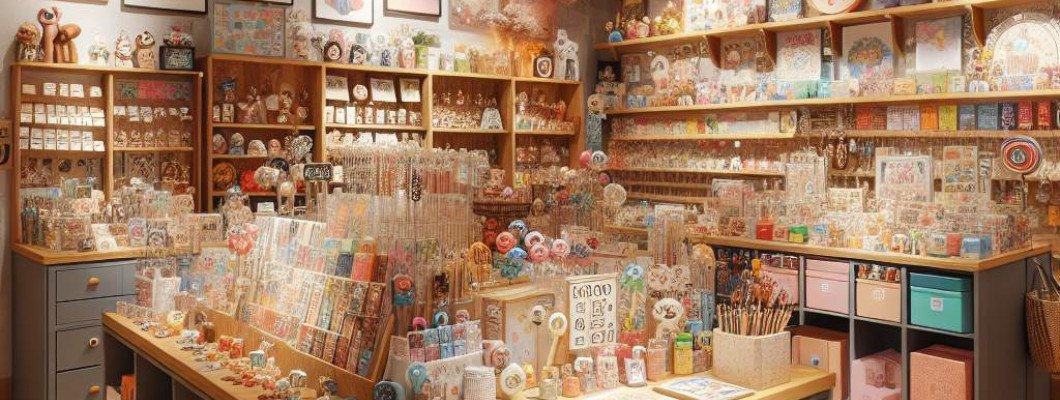
The UV printer industry is experiencing a significant transformation driven by the rapid adoption of smart factory concepts and automation technologies worldwide. As businesses seek higher efficiency, precision, and customization in their printing processes, UV printing solutions are rapidly evolving to meet these demands. Today"s market trends point toward increased integration of intelligent systems, robotics, and data-driven manufacturing, all facilitating faster turnaround times and higher quality outputs. Organizations that embrace these innovations are positioning themselves at the forefront of the digital printing revolution, catering to a diverse range of sectors including packaging, promotional products, interior design, and industrial applications.
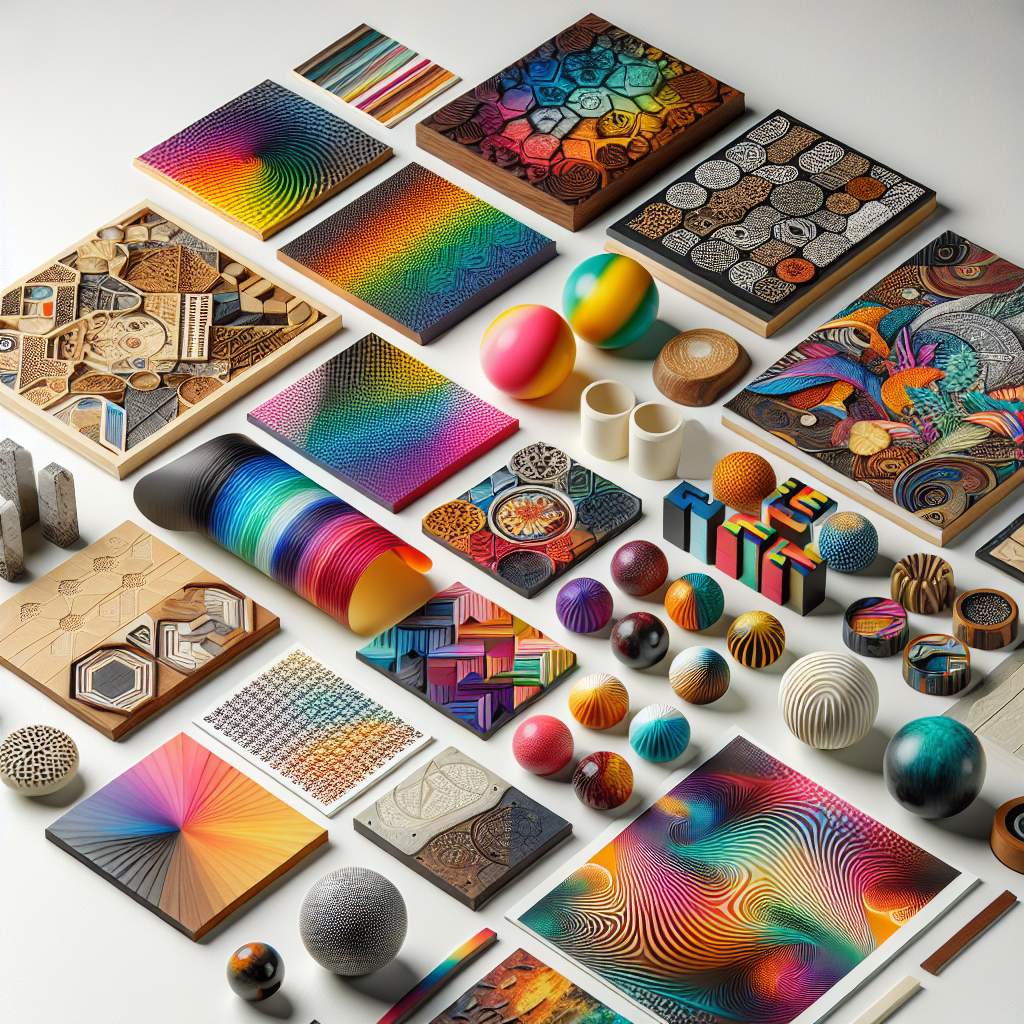
One of the most influential drivers behind these market trends is the widespread adoption of smart factory principles. These factories leverage interconnected machines, IoT (Internet of Things) sensors, and AI-driven analytics to streamline production workflows. In the context of UV printing, smart factories enable real-time monitoring of equipment performance, predictive maintenance, and optimized job scheduling—reducing downtime and increasing throughput. The integration of automation with UV printers allows for unattended operations, which not only boosts productivity but also minimizes human error. As a result, companies can deliver consistent quality at a faster pace, meeting the increasing global demand for customized and on-demand printing solutions. This technological shift is especially prominent in regions like Asia-Pacific, North America, and Europe, where manufacturing sectors are aggressively adopting Industry 4.0 standards.
The role of automation in enhancing UV printer capabilities cannot be overstated. Automated material handling, precise inkjet control, and robotic arm integrations are becoming commonplace, enabling complete print jobs to be managed with minimal manual intervention. This is particularly advantageous for high-volume production runs, where efficiency gains translate directly into cost savings. Additionally, automation is enabling new applications for UV printers, such as inline finishing, coating, and multilayer printing. These advancements open up new revenue streams and allow providers to offer innovative, value-added services to their clients. For instance, companies are now utilizing UV printers for intricate packaging designs, personalized promotional items, and dynamic interior decor—all achieved with a high degree of automation that guarantees consistent results with every print.
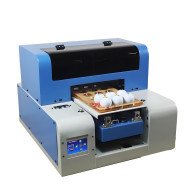
Another pivotal trend is the integration of artificial intelligence and machine learning algorithms into UV printing systems. These technologies enable smarter printing workflows, including automated color management, quality control, and defect detection. By analyzing production data, AI can suggest process adjustments to optimize ink curing, adhesion, and surface finish, leading to superior product consistency. Moreover, AI-powered predictive maintenance helps prevent unexpected equipment failures, significantly reducing downtime and maintenance costs. As these intelligent systems mature, they are expected to further democratize high-quality UV printing, making it accessible to smaller enterprises while increasing operational efficiency for larger manufacturers. For businesses, staying ahead of these trends means investing in versatile, future-proof equipment—like the innovative [Spot UV Printing Machine](https://www.gnfei.com/products/spot-uv-printing-machine-glossy-uv-coating-printer.html)—which embodies these cutting-edge features.
The market demand for sustainability and eco-friendly printing solutions is also shaping the adoption of smart factory and automation practices in the UV printing industry. Modern systems are incorporating energy-efficient components, UV LED curing (which consumes less power and produces less heat), and eco-conscious inks. Automation helps minimize waste by accurately controlling ink usage and reducing rework. Additionally, digital workflow management ensures precise order tracking, reducing overproduction and excess inventory. As environmental regulations tighten globally, manufacturers integrating smart, automated UV printing solutions are better positioned to meet compliance standards while maintaining profitability. These environmentally conscious trends appeal to clients seeking sustainable branding options, further expanding the market"s growth potential.
In terms of regional impact, Asia-Pacific remains a dominant player, with countries like China, Japan, and South Korea leading the charge in smart factory integration. North America and Europe are also rapidly adopting automation to modernize their printing industries, especially in industrial applications and high-end custom products. Market players are investing heavily in R&D to develop intelligent UV printers that support multi-material printing, high-resolution outputs, and seamless integration with manufacturing execution systems (MES). The convergence of these technological advancements is shaping an increasingly competitive landscape where quality, speed, and adaptability are key differentiators. As the industry evolves, so too do the expectations of clients worldwide who are eager for innovative, flexible, and sustainable printing solutions.
For companies interested in exploring state-of-the-art UV printing options, products like the Spot UV Printing Machine offer impressive features tailored to meet these modern demands. Equipped with high-precision controls, smart automation capabilities, and custom finishing options, this equipment exemplifies the latest trends shaping the market. By investing in such advanced technology, businesses can enhance their production efficiency, achieve superior quality, and expand their service offerings—all crucial factors for success in today's competitive global market.
In conclusion, the UV printer market's trajectory is being fundamentally reshaped by the widespread adoption of smart factory concepts and automation technologies. These innovations are enabling manufacturers worldwide to produce higher-quality printed materials more efficiently and sustainably. As technology continues to advance—integrating AI, IoT, and robotics—the industry is set for a future characterized by increased customization, reduced waste, and optimized workflows. Staying ahead of these trends will require ongoing investment in intelligent, automated UV printing solutions, positioning companies to capitalize on new opportunities and meet evolving customer demands on a global scale. The ongoing digital transformation promises a vibrant future for UV printing, driven by innovation, efficiency, and sustainability.















Leave a Comment