
UV Printer Ink, Curing, and Quality: What Actually Impacts Output Results
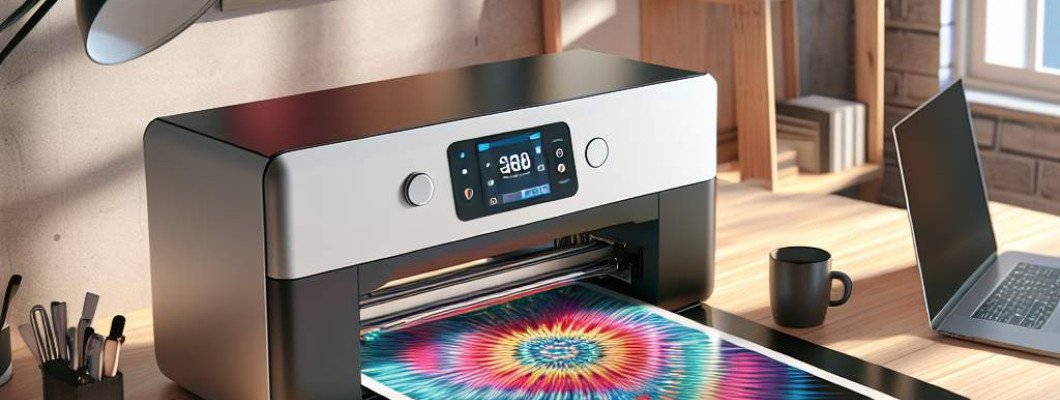
Struggling to get consistent quality from your UV printer? Wondering why your prints sometimes look dull or fade quickly? You're not alone. Many users face challenges with UV printer ink, curing processes, and achieving that perfect, durable output. Let"s dig into what really impacts your UV printing results and how you can make smarter choices to elevate your prints.
Understanding UV Printer Ink: More Than Just Color
What Is UV Printer Ink?
UV printer ink is a special type of ink that cures instantly with ultraviolet light. This quick-drying feature allows for printing on a wide variety of materials, from plastics and glass to metals and wood. But not all inks are created equal. The quality of the ink directly influences the durability, color vibrancy, and overall finish of your print.Think of it like choosing the right paint; cheap paint may initially look good but fades quickly or cracks over time. The same applies to UV ink. High-quality ink contains better pigments and stabilizers which ensure longer-lasting results.How Ink Composition Affects Output
- **Pigment Concentration:** Higher pigment levels mean more vivid colors and better coverage.- **Binders and Resins:** These components determine adhesion and flexibility, important for curved surfaces or flexible media.- **Additives:** Improve gloss, flowability, and resistance to environmental factors.If your ink lacks in these areas, expect issues like color washing out, cracking, or poor adherence, especially on tricky surfaces. So, investing in top-tier UV inks can make a noticeable difference in your final output.Decoding the Curing Process: The Key to Longevity and Sharpness
Why Curing Matters
Curing is what transforms uncured ink into a durable, scratch-resistant finish. Proper curing ensures the ink adheres tightly to the substrate, resulting in vibrant colors and increased resistance to weather, UV rays, and chemicals. If curing isn't done properly, your prints might look dull, peel, or fade prematurely.Think about reading under a light that's too dim—you see the details but they aren't vivid or long-lasting. Proper UV curing is like shifting from ambient light to focused spotlight; everything becomes sharper and more durable.Factors That Affect Curing Quality
- **UV Light Intensity:** Insufficient power can leave ink partially cured, leading to smudging or fading.- **Curing Time:** Too short won"t fully set the ink, too long can waste energy and cause substrate damage.- **Type of UV Lamp:** LED UV lamps are energy-efficient and produce less heat, but ensure compatibility with your ink.Pro tip: Regularly check your UV lamps for optimal output and replace bulbs before they diminish in effectiveness. A good rule of thumb is to maintain a consistent curing cycle aligned with the manufacturer"s guidelines.System Quality and Maintenance: The Hidden Factors
Printer Calibration and Environment
Your printer"s calibration and work environment can make or break your output. For example:- Ensure color profiles are correctly set for consistent results.- Maintain a dust-free, temperature-controlled environment to prevent surface contamination or material warping.- Regularly clean your print heads and curing units to avoid clogging and uneven curing.Think of your UV printer as a high-end car: neglecting maintenance leads to subpar performance and costly repairs. Keep it tuned up for the best results.Material Compatibility
Not all materials print equally well with UV inks. Some surfaces might need special primers or surface treatments to optimize adhesion and curing. Always test new materials with small runs to check how they respond to your ink and curing setup.If you"re frequently printing on a new substrate, consulting with your ink or equipment provider can prevent costly mistakes down the line. Remember, system quality extends beyond the machine to include the right consumables and surface prep.Real-Life Tips for Achieving Top-Quality UV Prints
- **Use the right ink for your application.** Cheaper inks might save money upfront but compromise durability and color fidelity.- **Invest in high-quality UV lamps and maintain them regularly.** This ensures consistent curing power.- **Optimize your print parameters—speed, layer thickness, and curing time—to suit the media and ink.**- **Conduct test prints on small samples before mass production.** Small adjustments can save costly reprints later.- **Keep your environment clean and temperature stable.** Dust and heat fluctuations affect print quality.- **Stay updated with the latest UV curing technology.** LED UV systems, for example, offer energy efficiency and longer lifespan. For more advanced solutions, check out this versatile Spot UV Printing Machine which can enhance your gloss and coating capabilities.FAQs about UV Printer Ink, Curing, and Output
Q1: How do I know if my UV ink is of good quality?
High-quality UV ink has vibrant color, good adhesion, and resistance to fading. It should also cure instantly under proper UV light without smudging or cracking. Always buy from reputable suppliers and verify compatibility with your printer model.
Q2: Why are my prints dull even after curing?
This could be due to insufficient UV light exposure, using low-quality ink, or outdated curing lamps. Check your UV lamp intensity and replace bulbs if needed. Also, ensure your curing process matches the ink manufacturer's recommendations.
Q3: Can I use regular UV ink on all surfaces?
No, some surfaces require specific primers or surface treatments to improve adhesion and curing. Testing on a small area first is always a smart move to prevent expensive mistakes.
Q4: How often should I maintain my UV curing system?
Regular maintenance includes cleaning the lamps, replacing worn-out bulbs, and calibrating the system. Typical maintenance is monthly, but this depends on usage. Follow your equipment manufacturer"s guidelines for best results.
Q5: What's the biggest mistake to avoid with UV printing?
One common mistake is neglecting proper calibration and maintenance. It can lead to inconsistent print quality, color mismatch, and reduced durability. Invest time in system upkeep and process optimization.












Leave a Comment