
UV DTF vs. Standard DTF: Understanding the Differences in Application
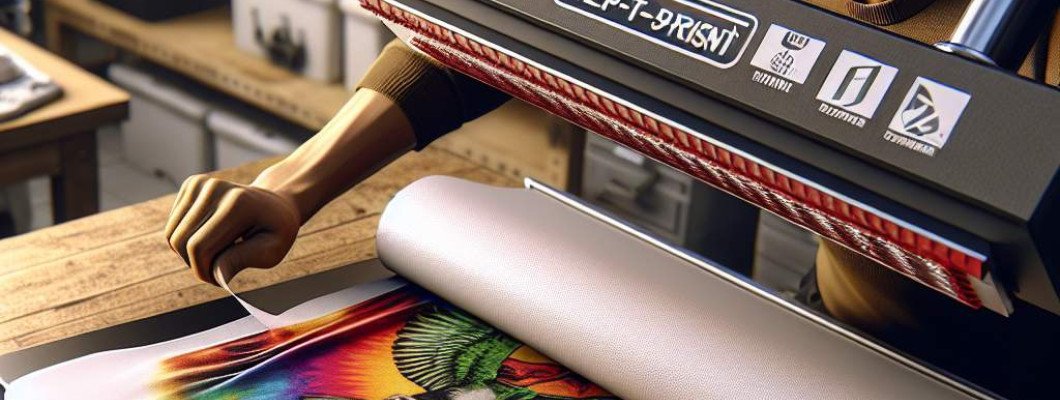
UV DTF vs. Standard DTF: Understanding the Differences in Application
When it comes to modern printing technologies, Direct to Film (DTF) has taken the industry by storm, offering versatile and high-quality options for apparel, promotional products, and custom designs. Within this realm, two prominent methods stand out: UV DTF and Standard DTF. Both techniques harness the power of digital printing but differ significantly in their application, results, and suitability for various projects. Grasping these differences is essential for businesses and DIY enthusiasts aiming to select the most appropriate method for their needs. In this comprehensive guide, we'll explore what sets UV DTF apart from Standard DTF, including their unique processes, advantages, and ideal use cases.
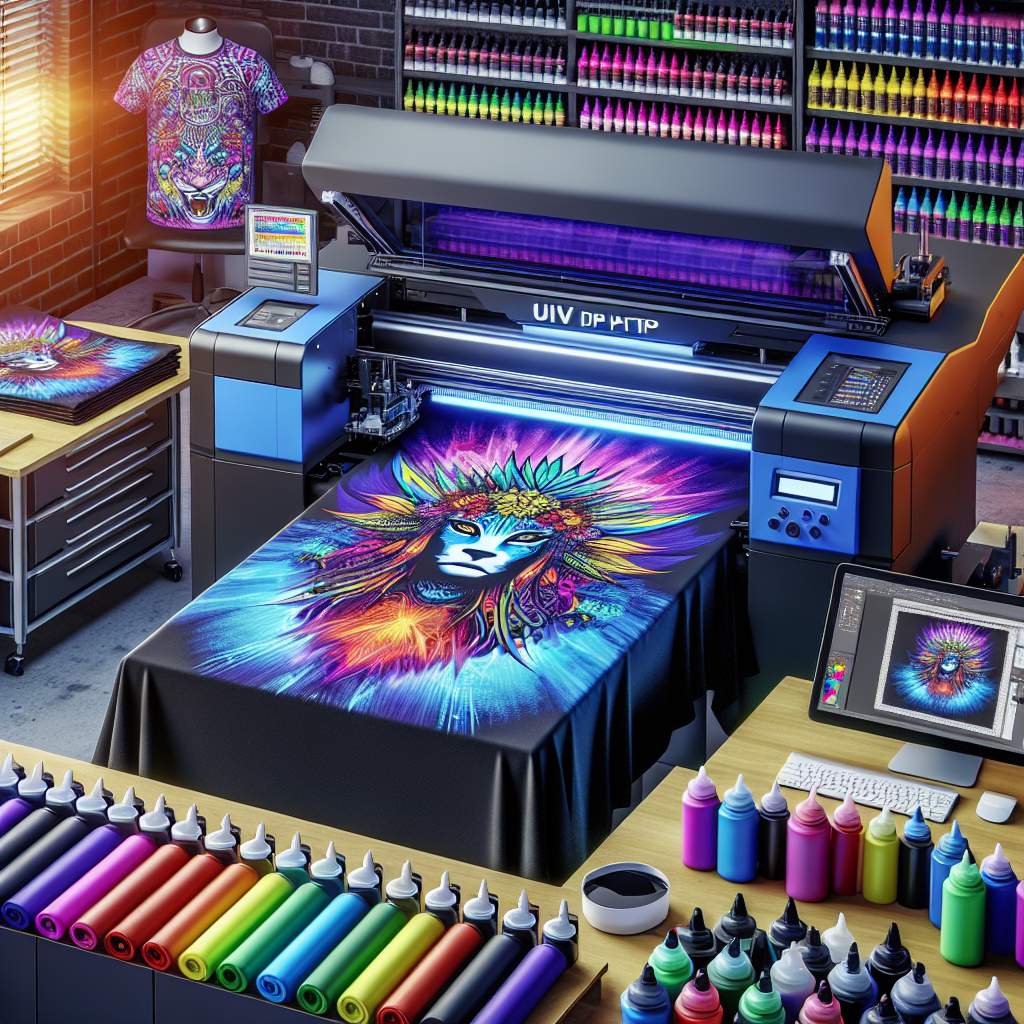
Understanding Standard DTF Printing
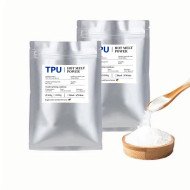
Standard DTF printing is a process that primarily relies on traditional inkjet technology, where specially formulated dyes or pigments are printed onto a transparent film. This film is then coated with a layer of adhesive powder, which is cured through heat, allowing the printed image to be transferred onto various fabrics or materials. This method is renowned for its vibrant color output, durability, and ability to print on a wide range of textile substrates, including cotton, polyester, and blends. Standard DTF is especially popular among small to medium-sized apparel brands because of its relatively straightforward setup and cost-effectiveness.
Introducing UV DTF: A New Era in Printing
UV DTF, on the other hand, incorporates ultraviolet curing technology into the DTF process. Instead of relying solely on heat to cure the adhesive and the printed image, UV DTF uses UV light to instantly polymerize and set the ink, resulting in a sharper, more vivid image with enhanced durability. This method often involves printing using UV-sensitive inks directly onto a transparent film or substrate, which is then cured with UV light before transferring. The main advantage of UV DTF is its ability to produce highly detailed, vibrant, and resistant prints suitable for both fabrics and rigid surfaces.
Key Differences Between UV DTF and Standard DTF
1. Compatibility and Substrate Range
Standard DTF is primarily designed for textiles and fabrics, excelling in printing on a variety of clothing materials. In contrast, UV DTF offers greater versatility, being capable of printing on rigid materials such as acrylic, glass, metal, and plastics, alongside fabrics. This broad compatibility opens new avenues for personalized gifts, signage, and promotional items.
2. Curing Technology and Final Finish
The core difference lies in the curing method. Standard DTF uses heat to cure the adhesive and ink, which might require specific temperature settings and time. UV DTF, however, employs UV light for rapid curing, producing images with outstanding sharpness, vibrancy, and resistance to cracking or peeling. UV curing also minimizes issues related to over- or under-curing, providing consistent quality.
3. Image Resolution and Detail
While both methods can achieve high-quality images, UV DTF is particularly known for its ability to capture intricate details and color gradations due to the precision of UV curing technology. It is ideal for designs requiring fine lines, gradients, and photorealistic images. Standard DTF may sometimes be limited in this regard, especially on complex or light-colored fabrics.
4. Production Speed and Efficiency
In terms of workflow, UV DTF can be faster because UV curing happens instantly, reducing production time. Standard DTF involves additional steps for heating and curing, which can extend the process. For high-volume production, UV DTF's rapid curing makes it a more efficient choice. However, it might require investment in UV light equipment.
5. Durability and Resistance
Both methods offer durable prints, but UV DTF generally provides superior resistance against scratches, chemicals, and environmental factors due to the properties of UV-cured inks. This makes UV DTF suitable for items that face frequent handling or outdoor exposure. Standard DTF prints are durable as well but might not match the resistance levels of UV-cured images.
Choosing the Right Technology for Your Needs
The decision between UV DTF and Standard DTF depends largely on your specific application, budget, and desired output quality. If your primary focus is garment printing on textiles, especially for fashion or sportswear, Standard DTF offers a cost-effective and reliable solution. Its ability to produce vibrant, flexible prints makes it optimal for clothing brands that need rapid production cycles.
However, if your work involves printing on diverse surfaces, including rigid materials like signage or promotional items, UV DTF's versatility and high-resolution output make it the superior choice. Additionally, for products requiring extra durability and detailed imagery, UV DTF provides an edge over traditional methods.
Investment and Equipment Considerations
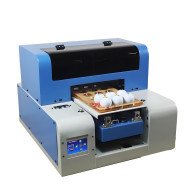
Adopting either technology involves different investment levels. Standard DTF printers are generally more affordable and easier to operate, making them accessible for small businesses and startups. UV DTF printers and curing units tend to be more expensive but offer faster production and broader application options. When considering your investment, evaluate your production volume, target markets, and long-term goals. For more information on high-quality DTF printing solutions, visit our product page at this link.
Conclusion: Making the Right Choice
In summary, while both UV DTF and Standard DTF are revolutionizing digital printing, they serve different needs within the industry. Standard DTF remains a powerful tool for apparel and textiles, providing affordability and vibrant color reproduction. UV DTF, with its advanced curing technology, extends the possibilities into multi-material applications, delivering detailed, durable, and versatile prints suitable for a range of products. Carefully assess your project requirements, substrate types, and production scale to choose the method that aligns best with your business objectives. Embracing the right technology will enable you to produce high-quality outputs efficiently and creatively, staying ahead in the competitive printing landscape.














Leave a Comment