
Urban apparel workshops modernizing operations through garment printer integration and automated workflows
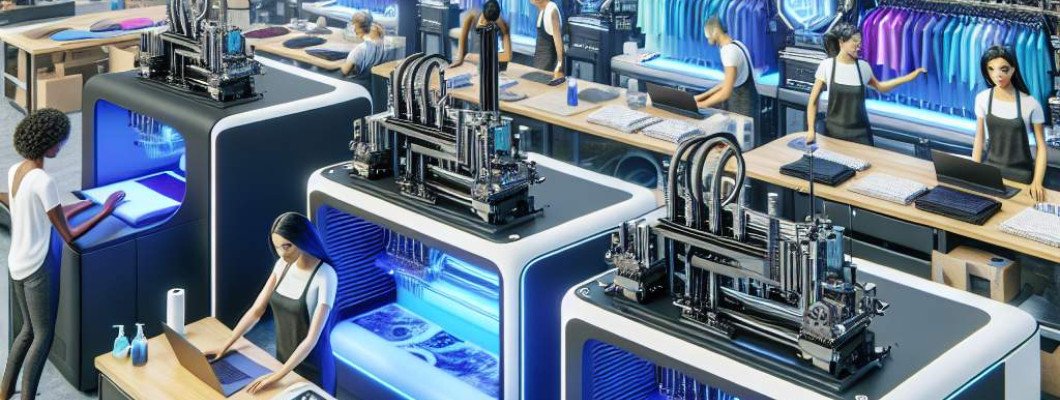
Struggling to modernize your urban apparel workshop and stay competitive? Discover how integrating garment printers and automated workflows can transform your operations.
In the fast-paced world of urban fashion, keeping up with trends isn"t enough—you need efficiency, quality, and speed. Many workshop owners face challenges like slow production times, inconsistent print quality, and outdated processes that hinder growth. If you"re asking yourself, how can I upgrade my urban apparel shop for better output?, the answer lies in embracing high-tech solutions like garment printer integration and automated workflows.
Imagine chatting with a fellow designer who recently doubled their production capacity using just a single advanced garment printer and some workflow automation. They went from struggling with manual processes to running a smoothly automated operation—delivering fresh designs quicker and with consistent quality. This story is no longer uncommon in the apparel industry; it"s a standard for success today.
Why Modernizing Your Workflow Matters in Urban Apparel Manufacturing
Urban fashion is all about customization, rapid turnaround, and unique designs. Traditional manual garment printing methods meet these demands less effectively, often leading to delays and variable quality. Modernization with technology solutions allows workshops to drastically improve their operations:
- Increased production efficiency: Automated workflows reduce manual steps, allowing more garments to be printed in less time.
- Consistent quality control: Integrated garment printers produce sharp images with minimal errors, maintaining the brand's reputation.
- Faster turnaround times: Automating repetitive tasks speeds up the entire process, fulfilling customer orders quickly.
- Cost savings: Reduced labor and material waste lead to better profit margins.
- Flexibility and customization: Easy adjustments to designs and workflows support on-demand production and trend responsiveness.
With modern tools, your urban apparel workshop can turn ideas into finished products more rapidly than ever before.
Integrating Garment Printers: The Heart of Transformation
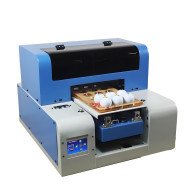
Garment printers have evolved significantly over the past decade. High-quality digital printers, like direct-to-garment (DTG) printers, enable printing complex designs directly onto textiles with vibrant colors and fine details. How does this benefit your workshop?
- Unmatched print quality: Sharp images, detailed graphics, and a wide color spectrum support creative freedom.
- Ease of operation: Modern printers feature user-friendly interfaces that reduce the learning curve.
- Lower setup times: Quick calibration and automated functions mean faster startup for each batch.
- Compatibility with various fabrics: Adaptable to different textiles used in urban apparel like cotton, blends, and synthetic materials.
- Scalability: Suitable for small runs or larger productions, aligning perfectly with the trend toward on-demand manufacturing.
By integrating a reliable garment printer, your workshop unlocks in-house production capabilities, reducing dependency on external suppliers and minimizing delays. When combined with automated workflows, the efficiency gains multiply. Learn more about choosing a suitable DTG printer at GNFEI"s DTG printers.
Streamlining Operations with Automated Workflows
Automation is the game-changer in modern apparel workshops. It connects the entire production line—design, printing, curing, packaging—into a seamless process. Here"s how to implement effective automation:
- Design file preparation: Use easy-to-learn software that automates color separation and batch processing.
- Print queue management: Digital systems prioritize orders, reduce wait times, and monitor printer status remotely.
- Workflow integrations: Connect your design software with print management and inventory systems for smooth data transfer.
- Automated curing and drying: Use heat presses or curing machines synchronized with your print jobs for consistent results.
- Packaging automation: Automated packaging systems prepare finished garments efficiently for shipment.
Implementing these automations requires initial setup but significantly reduces manual labor, lowers error rates, and accelerates the entire process. It empowers your staff to focus on creative and quality control tasks rather than repetitive manual work. With technology constantly advancing, many solutions offer cloud-based management that keeps your workflow flexible and scalable.
Real-World Success Stories
Take the case of a small urban apparel workshop in Brooklyn. After integrating a state-of-the-art garment printer and automating their workflow, they increased their monthly output by 70%. Their turnaround time shrank from 2 weeks to just under a week, and their customer satisfaction soared. They could implement last-minute design changes easily, thanks to flexible, real-time digital workflows. This evolution allowed them to compete with larger brands while maintaining the personalized touch their clients love.
Many similar workshops worldwide are seeing tangible benefits, such as reduced waste, improved quality, and higher profitability. Embracing these innovations isn"t just an upgrade; it"s a strategic move to future-proof your urban apparel business.
Choosing the Right Equipment and Software
Investing in the right tools is crucial. When selecting a garment printer, consider factors like size, resolution, ink compatibility, and automation features. Look for printers that support automation common in workflow management, such as automatic calibration and maintenance alerts.
Software solutions should integrate seamlessly with your hardware, enable batch processing, and provide comprehensive reporting. Compatibility with design programs like Adobe Illustrator or CorelDRAW helps streamline your creative process and automation workflows.
Remember, effective modernization involves not only buying equipment but also training your team to maximize these tools" potential. Partner with vendors who offer training and ongoing support to ensure your investment pays off.
FAQs
- How long does it take to modernize an urban apparel workshop? The timeline varies depending on your existing setup. A typical upgrade with new printers and automation software can take anywhere from a few weeks to a couple of months for full implementation.
- Can small workshops benefit from automation? Absolutely. Automation scales to your size and needs, making it accessible for small-to-medium enterprises aiming to increase efficiency and quality.
- What are the common challenges during the integration process? Challenges include staff training, initial costs, and ensuring compatibility between hardware and software. Working with experienced vendors simplifies this transition.
- Is automation expensive for urban apparel shops? While the initial investment may seem high, the long-term savings in labor, waste, and increased productivity provide excellent ROI.
- How can I choose the right garment printer for my needs? Consider factors like production volume, fabric types, print quality, and automation features. Consult with suppliers and read product reviews to make an informed choice.
Modernizing your urban apparel workshop using garment printer integration and automated workflows isn't just a tech upgrade—it's a strategic move that can redefine your business. Embrace the change, enhance your productivity, and stay ahead in the competitive fashion industry.
```












Leave a Comment