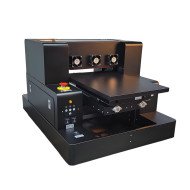
Unveiling the True Cost of A4 Smart UV Flatbed Printers

The Industrial Reality
In the fast-paced world of printing technology, the A4 Smart UV Flatbed Printer has emerged as a critical tool for enterprises aiming for precise and high-quality output. However, beneath its glossy surface lies a plethora of hidden operational bottlenecks that can impact a business's efficiency. Understanding these nuances is imperative for any industry professional considering investing in this equipment.
Technical Deep-Dive
Understanding Printhead Physics
The printhead is arguably the most vital component of any UV flatbed printer. Its ability to eject ink at precise volumes—often measured in picoliters (pl)—ensures the desired image quality. The physics of ink drop formation plays a crucial role in achieving consistent prints. Advanced printers can manage drop volumes around 1-20 pl, influencing color depth and precision.
The Impact of Substrate Versatility
Substrate versatility is another critical aspect where UV flatbed printers have an advantage. The A4 model offers printing on diverse materials, each with unique absorption characteristics. However, the preparation and pre-treatment processes required can add extra time and complexity to operations, affecting throughput.
Environmental & Safety Compliance
Compliance with environmental regulations is non-negotiable. UV printers emit volatile organic compounds (VOCs) during operation, necessitating effective ventilation systems. Understanding the compliance requirements is essential to prevent penalties and ensure worker safety.
Maintenance Costs and Depreciation
Lifecycle maintenance costs are a significant consideration. Regular upkeep, including cleaning printheads and replacing UV lamps, directly affects depreciation rates. Companies need to assess CAPEX implications meticulously to minimize long-term operational expenses.
Infrastructure Integration Challenges
Integrating the A4 Smart UV Flatbed Printer into existing infrastructure requires consideration of thermal management and space constraints. Ensuring optimal rack density and efficient heat dissipation is crucial to maintaining performance and longevity.
Scenario Analysis
Small Business Operations
For small businesses, the A4 Smart UV Flatbed Printer offers the promise of high-quality prints, but the hidden costs associated with substrate preparation and compliance can be daunting. Businesses must weigh the initial investment against potential operational disruptions.
Enterprise-Level Production
In large-scale operations, the printer's capacity to handle varied substrates presents an opportunity and a challenge. If not managed correctly, throughput can suffer, impacting deadlines and profitability.
Artisan Manufacturing
High-end artisans benefit from the printer's precision capabilities, enhancing their product offerings. However, understanding the nuances of printhead maintenance and substrate treatment remains critical to maximizing output quality.
Expert FAQ
What are the key maintenance requirements for UV flatbed printers?
Daily cleaning of printheads and periodic replacement of UV lamps are essential to maintain optimal performance.
How does substrate type affect printer output?
Different substrates have unique absorption characteristics requiring specific pre-treatment processes for consistent quality.
What are the environmental compliance challenges?
Managing VOC emissions through effective ventilation systems is crucial for compliance with safety regulations.
What factors contribute to depreciation?
Regular maintenance and the frequency of component replacements significantly influence printer depreciation.
How does integration affect printer performance?
Proper thermal management and space considerations are vital to ensure sustained high performance.
Strategic Verdict
The A4 Smart UV Flatbed Printer represents a complex investment with numerous technical challenges and opportunities. Prospective users should carefully weigh the hidden operational bottlenecks against their specific business needs to make well-informed decisions about implementation and integration.