Unveiling Infrastructure Integration Challenges with A4 Roll DTF Printers
The Industrial Reality
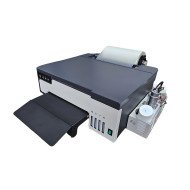
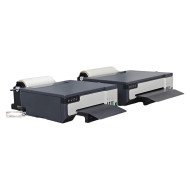
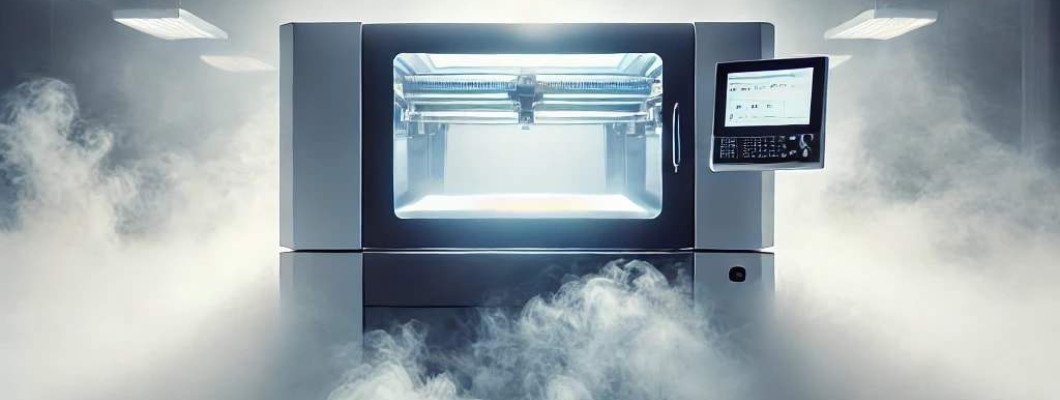
As businesses push to adopt cutting-edge printing technologies, challenges in integrating A4 Roll DTF Printers into existing infrastructure become evident. This printer, while promising high throughput and versatility, demands an advanced operational setup. Imagine a bustling print shop, reliant on seamless workflows. Incorporating new technology can disrupt these efficiencies if not strategically managed.
Technical Deep-Dive
Infrastructure Compatibility
Assessing the A4 Roll DTF Printer's integration requires a deep understanding of power requirements and spatial considerations. With a typical power draw of 650 Watts, ensuring adequate electrical support is critical. Moreover, the printer's dimensions necessitate careful space planning within the print environment.
Thermal and Acoustic Management
The operational temperature ranges between 60-80°C, posing a thermal management challenge. High operating temperatures demand robust cooling solutions to maintain ambient conditions and prevent overheating. Noise levels, typically reaching 65 dB, suggest strategic placement to mitigate disturbance in high-traffic areas.
Network and IT Considerations
Integration into a corporate network infrastructure demands secure and stable connections. The A4 Roll DTF Printer supports both wired and wireless setups, with data transfer rates up to 1 Gbps. Ensuring IT compliance and data security is paramount, especially given the printer's connectivity capabilities.
Workflow Automation Compatibility
Evaluating how this printer aligns with existing automation systems highlights the necessity for compatible software solutions. The capability to interface with current ERP and inventory systems ensures a seamless transition and operational synchronicity.
Scalability and Future-Proofing
Future-proofing requires anticipating technological advancements and ensuring the printer's components can adapt to new workflows. Compatibility with upcoming software updates and connectivity standards is essential to long-term viability.
Scenario Analysis
Small Business Exploration
A small print shop aiming to expand its product offerings finds the DTF technology promising. However, without adequate space for the printer's footprint and cooling mechanisms, initial integration poses obstacles.
Enterprise Level Adoption
For a large-scale enterprise, the A4 Roll DTF Printer fits within an automated production line. Its gel ink chemistry promises distinct color vibrancy, yet requires precise environmental controls to operate efficiently.
Educational Environment Application
A university's graphic design department considers the printer for educational use. Although its IT infrastructure supports it, budget constraints for necessary HVAC adjustments present challenges.
Expert FAQ
Q: How does DTF technology affect substrate options?
A: The versatility is enhanced, supporting various fabrics including cotton and polyester blends.
Q: What are the maintenance requirements?
A: Regular printhead cleaning and calibration ensure consistent quality and prolong lifespan.
Q: How is color accuracy maintained?
A: Through specialized RIP software configurations ensuring precise color depth and fidelity.
Q: Are there specific humidity controls necessary?
A: Yes, maintaining humidity levels between 40-60% is crucial for optimal ink performance.
Q: What about energy costs?
A: The 650 Watt consumption is comparable to other industrial printers, but efficiency can be optimized with energy management systems.
Strategic Verdict
The A4 Roll DTF Printer remains a formidable addition to any print-based venture, provided the integration challenges are proactively managed. Future technological shifts may demand adaptive infrastructure solutions to fully capitalize on its capabilities, indicating the necessity for strategic foresight in deployment.