Unraveling the True Cost of UV DTF Printers: An Operational Deep-Dive
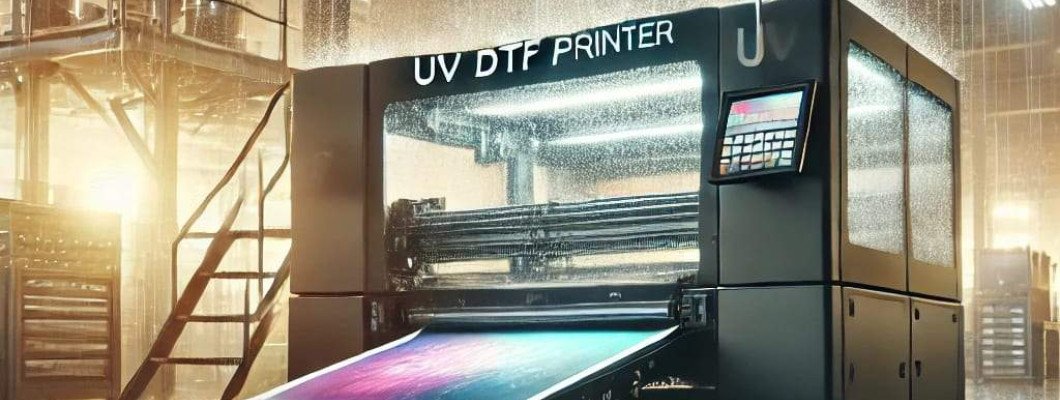
Imagine a bustling factory floor, humming with the rhythm of high-speed production. The air is thick with the smell of ink and the relentless noise of machinery. In the center of it all, the UV DTF printer stands as a beacon of modern efficiency, promising unparalleled precision and speed in textile printing. Yet, amid this scene of industrial prowess, questions arise about what lies beneath the surface of this cutting-edge technology.
Understanding Hidden Operational Costs
UV DTF printing technology has been heralded for its ability to revolutionize textile production. However, the hidden operational costs can significantly impact business profitability. A key consideration is the cost of specialized ink and substrates required for UV DTF printers, which can be substantially higher than traditional printing materials. Moreover, the energy consumption of these printers is another factor that contributes to operating expenses. As UV lamps require significant power to cure inks effectively, utility bills are often overlooked during initial cost assessments.
Breaking Down Maintenance Complexities
An essential aspect of owning a UV DTF printer is understanding the maintenance realities. Routine upkeep is crucial to ensure optimal functionality, yet it often involves complex procedures that demand skilled technicians. Regular calibration, replacement of UV lamps, and cleaning of inkheads are just the tip of the iceberg. Such maintenance tasks can lead to unexpected downtime, affecting production schedules and resulting in lost revenue.
Supply Chain Realities: The Impact on Production
The supply chain dynamics surrounding UV DTF printers add another layer to operational costs. Sourcing high-quality inks and substrates often involves a global supply chain, resulting in fluctuating prices and availability issues. Delays and disruptions in the supply chain can halt production lines, thereby impacting delivery timelines and customer satisfaction.
Integration Challenges with Legacy Systems
For businesses working with existing legacy systems, integrating UV DTF technology can present significant hurdles. Compatibility issues arise, necessitating additional software or hardware investments to ensure seamless operation. This can lead to increased overhead costs and complexities during transitional phases.
Quality Trade-offs: Navigating Expectations
While UV DTF printers promise high-quality outputs, they are often met with expectations that exceed practical capabilities. The durability and vibrancy of prints may vary based on substrate quality and ink type, leading to potential discrepancies between customer demand and product delivery. Balancing quality with operational efficiency remains a challenge for businesses aiming to capitalize on UV DTF technology.
Real-World Case Studies
In a recent scenario, a mid-sized apparel manufacturer invested heavily in UV DTF technology. Initially, the company experienced a surge in productivity and quality. However, as they navigated operational costs, from ink expenses to maintenance, the financial strain became evident. By analyzing these hidden costs, they developed a strategy to optimize production without compromising quality.
Another case involved an e-commerce startup aiming for in-house fulfillment with UV DTF printers. They underestimated the intricacies of supply chain dependencies, leading to delayed shipments and customer dissatisfaction. Through strategic supplier agreements, they minimized disruptions and maintained consistent product availability.
A premium artisan studio explored UV DTF technology for niche textures and substrates. While achieving remarkable print quality, they encountered challenges integrating the technology with existing workflows, requiring substantial upfront investments in compatible systems and training.
Technical FAQ
- What are the key maintenance requirements for UV DTF printers? Regular calibration, UV lamp replacements, and inkhead cleaning are crucial for optimal performance.
- How does energy consumption impact operational costs? UV DTF printers consume substantial energy due to UV lamp usage, increasing utility expenses.
- What supply chain factors affect UV DTF technology? Global sourcing of inks and substrates can lead to fluctuating prices and availability issues.
- How do quality trade-offs manifest in UV DTF printing? Print durability and vibrancy depend on substrate quality and ink type, affecting consistency.
- What integration challenges exist with legacy systems? Compatibility issues may necessitate additional software or hardware investments.
Strategic Summary
Navigating the world of UV DTF printers requires a comprehensive understanding of operational costs and potential challenges. Businesses must carefully assess the hidden expenses, from energy consumption to maintenance complexities, and strategize accordingly to maximize production efficiency while meeting quality standards. By addressing supply chain dependencies and integration with legacy systems, companies can mitigate disruptions and optimize workflow for sustained growth.