Unlocking Profit: The ROI of DTG versus DTF Printing
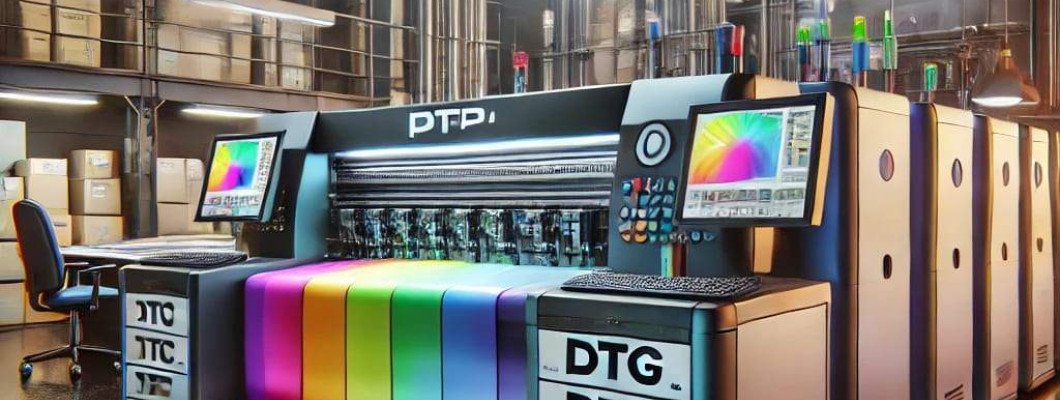
The decision between Direct-to-Garment (DTG) and Direct-to-Film (DTF) printing represents a significant crossroads for businesses. Imagine standing in your bustling workshop, surrounded by orders that demand precision and creativity. You know that today's choice could define tomorrow's success.
Breaking Down Costs: ROI Analysis
When evaluating DTG versus DTF printing, understanding the Return on Investment (ROI) is paramount. Initial setup costs can vary dramatically between the two technologies, with DTG often demanding a heftier upfront investment. However, DTF technology, with lower entry costs, does not necessarily equate to higher profitability.
- DTG Costs: Higher initial investment, specialized equipment, and ongoing maintenance.
- DTF Costs: Lower initial investment, versatile equipment suitable for various substrates, but potentially higher variable costs due to film usage.
The financial lifecycle of these technologies reveals nuanced trade-offs in operational expenses, as DTG may offer higher quality and speed, but DTF provides adaptability across diverse materials.
Hidden Operational Costs
While both printing methods have their merits, hidden operational costs can erode profitability. DTG requires specialized training and maintenance systems to ensure equipment longevity. DTF, on the other hand, can incur higher consumable costs such as film and powder, impacting long-term viability.
- Training: DTG demands more skilled labor for optimal output, whereas DTF can be more intuitive but less forgiving.
- Consumables: DTF film and powder costs must be carefully managed to avoid exceeding budget forecasts.
Scaling Hurdles: Capability and Capacity
For businesses aiming to scale operations, both DTG and DTF present unique challenges. DTG’s strength lies in its ability to produce high-quality prints but requires considerable space and infrastructure to scale. DTF offers a flexible approach with simpler logistics but may struggle with high-volume demands.
- DTG Scaling: Requires investment in larger facilities and advanced equipment.
- DTF Scaling: More versatile in terms of placement, but may face material throughput limitations.
Environmental Impact: Choosing with Care
Environmental considerations are increasingly important. DTG printing is often praised for its eco-friendly water-based inks, while DTF raises concerns over film waste and chemical use. Businesses should weigh these impacts against their sustainability goals.
- DTG: Uses water-based inks, reducing environmental footprint.
- DTF: Produces film waste which must be managed responsibly.
Market Competition Strategy
In a competitive market, your choice in printing can serve as a strategic differentiator. DTG may appeal to premium market segments seeking quality and vibrancy, while DTF can attract customers looking for versatility and affordability. Understanding consumer preferences can guide your investment in either technology.
"DTG and DTF each offer distinct advantages; the choice ultimately depends on aligning them with strategic market goals."
Case Studies: Real-World Applications
Consider these hypothetical scenarios:
- Small Boutique: A boutique opts for DTG to provide high-quality prints for niche audiences, resulting in increased customer loyalty and premium pricing potential.
- Large Manufacturer: A factory scales with DTF to handle diverse production needs across multiple substrates, achieving lower overheads and broader market reach.
- Online Retailer: An online shop adopts DTG for personalized products, leveraging superior quality to capitalize on direct-to-consumer trends.
Technical FAQ
- What are the maintenance requirements for DTG machines? Regular cleaning, calibration, and software updates are essential to maintain print quality and machine longevity.
- How does film storage affect DTF production? Proper film storage in controlled environments is crucial to maintaining print quality and avoiding wastage.
- Are there substrate limitations with these methods? DTG works well on cotton and similar fabrics, while DTF is adaptable to a wider range of materials including polyesters.
- What are the print speed comparisons? DTG generally offers faster processing for single items, whereas DTF can be more efficient for bulk orders.
- How do these methods integrate with existing workflows? Both technologies can be integrated with existing systems, but DTG often requires more adaptation in legacy setups.
Strategic Summary
Choosing between DTG and DTF is not merely a technological decision; it's a strategic business choice. Carefully analyzing ROI, hidden costs, scalability, environmental impact, and market strategy is essential for informed decision-making. Ultimately, aligning printing capabilities with business goals will offer a competitive edge in today's dynamic market.
Whether you're targeting premium clients or seeking versatile solutions, understanding the nuances of DTG and DTF will pave the way to sustainable success.