
Unlocking Creative Possibilities with Advanced UV Printing Solutions
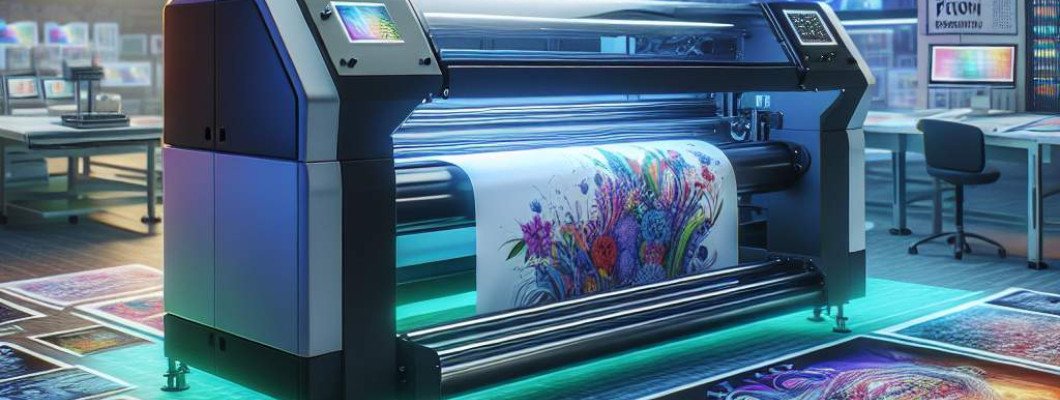
Struggling to Make Your Prints Stand Out? Discover the Power of a UV Printer
Have you ever looked at a product label or signage and thought, "Wow, that looks stunning" or "That really catches my eye"? Chances are, UV printers are behind those eye-catching effects. They"re transforming how we think about printing—offering vibrant colours, precise details, and the ability to print on a wide variety of surfaces. If you're in a creative or manufacturing business, understanding UV printing can give you a serious edge. So, what exactly makes a UV printer so game-changing?
What Is a UV Printer and Why Should You Care?
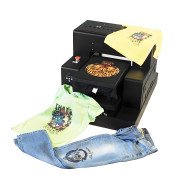
A UV printer is a type of digital printer that uses ultraviolet light to cure or dry the ink as it is printed onto surfaces. Unlike traditional printers, UV printers can print directly onto virtually any material—plastics, glass, wood, metal, even textiles. This means you"re no longer limited to paper or fabric. The rapid curing process ensures the ink is immediately set, resulting in durable, high-quality images.
Whether you"re creating custom signage, promotional products, packaging, or decorative items, UV printers unlock new possibilities. They deliver ultra-sharp images with vibrant colours, making your products more appealing and effective. Plus, they are perfect for short runs or prototypes, helping you save money and time.
How Is UV Printing Different from Traditional Methods?
Speed and Efficiency
- Immediate drying: The UV light cures ink instantly, reducing production time.
- Less mess: No need for solvents or extra drying time.
Surface Versatility
- Print on difficult surfaces: Glass, metal, plastic, wood, even curved or textured materials.
- Minimal setup: No need for complex pre-treatment or primer.
Quality and Durability
- High-resolution output: Crisp details and vibrant colours.
- Long-lasting prints: Resistant to scratches, UV exposure, and weather.
Think of it like upgrading from a basic printer to a supercharged machine—you get higher quality, more options, and faster turnaround.
Practical Applications of UV Printing
UV printers aren"t just cool gadgets—they"re real tools for business. Here are some of the most popular uses:
Custom Signage and Display Graphics
Instantly printing onto acrylic, glass, or metal panels to produce striking signs that stand out.
Packaging and Product Branding
Adding vivid labels, tags, or decorative finishes directly onto packaging materials.
Decorative and Artistic Items
Creating personalised gifts, souvenirs, or wall art with textured or glossy effects.
Industrial and Technical Components
Marking or branding industrial parts with durable, detailed logos or serial numbers.
If you want a concrete example, I recently spoke to a business owner who shifted from traditional screen printing to a UV printing setup. Their product labels now look professional, vibrant, and feel premium—plus, they can print directly onto their products without extra steps.
What to Consider When Choosing a UV Printer
Size and Workspace
- Do you need a compact model or a large-format printer?
- Make sure you have enough space to operate comfortably.
Print Resolution and Speed
- High resolution is essential for detailed work.
- Calculate your typical volume to choose a fast enough printer.
Surface Compatibility
- Check if the printer can handle your specific materials.
- Look for features like adjustable curing UV lights or multiple printheads.
Budget and Support
- Set a clear budget—good UV printers range from mid to high-end prices.
- Ensure the manufacturer offers good technical support and training.
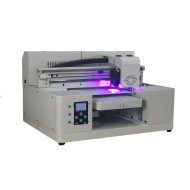
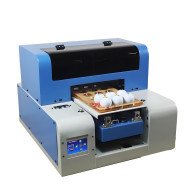
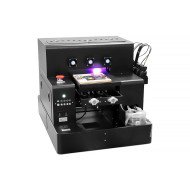
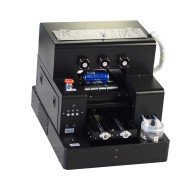
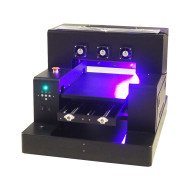
If you"re considering making a leap, check out this glossy UV coating printer to see what"s possible.
Maintaining Your UV Printer for Top Performance
Like any equipment, a UV printer needs regular care. Here are some tips:
- Clean printheads regularly to prevent clogging and maintain sharp images.
- Check UV lamps and replace when they lose power, usually after a set number of hours.
- Use the right inks designed for your model and materials.
- Avoid dust and debris—keep the machine covered when not in use.
Most issues are avoidable with simple routine maintenance, so your investment continues to pay off.
FAQs About UV Printers
Is UV printing expensive?
It varies. Entry-level models are more affordable, but high-end UV printers with advanced features come at a higher cost. Consider your volume and specific needs to find the right balance.
Can UV printers print on textured surfaces?
Absolutely. UV printers are designed to handle a wide range of surfaces, including textured or curved materials, making them ideal for unique projects.
How durable are UV printed items?
Very durable. UV-cured inks resist scratches, UV damage, and weather, making them suitable for both indoor and outdoor use.
What materials can a UV printer print on?
Materials like acrylic, glass, wood, ceramics, metal, plastic, and even some textiles are compatible, depending on your printer"s capabilities.
Is UV printing environmentally friendly?
It"s more eco-friendly than traditional printing because it uses less solvent-based inks and produces less waste with quick curing times.
Thinking of upgrading? A UV printer could be the boost your business needs to stand out. Embrace the technology, and you'll see your creative options expand in ways you didn"t think possible. Have you considered the impact of UV printing on your projects? It might be time to explore further.



Leave a Comment